Starting a new medical practice is exciting, but the sheer volume of equipment choices can be overwhelming. After two decades in medical technology, I have watched many new clinics stumble by buying flashy gadgets while neglecting the workhorses that truly drive patient care and revenue. Here are the ten essential tools I recommend every new practice invest in first.
1. A reliable patient examination table. This is your primary interface with patients. Look for a powered model with electric height adjustment, Trendelenburg positioning, and a weight capacity of at least 500 pounds. For general practice, a table with a built-in scale and a paper roll holder saves time. Avoid manual hydraulic tables—they are slower and harder to clean.
2. A high-quality vital signs monitor. Choose a device that measures blood pressure, pulse, oxygen saturation, and temperature. For a new practice, a portable, battery-powered unit is ideal. Brands like Welch Allyn and Hillrom offer models with cuffs that fit a wide range of arm sizes. The single most important feature is a large, easy-to-read display for quick assessments.
3. An otoscope and ophthalmoscope set. You will use these for almost every patient encounter. The key difference is between halogen and LED illumination. LED lasts longer and provides a truer color view of the tympanic membrane and retina. I recommend a rechargeable handle to avoid the frustration of dead batteries mid-exam.
4. A digital thermometer. Infrared tympanic thermometers are fast and non-invasive, but they can be inaccurate if the ear canal is dirty. A good alternative is a temporal artery thermometer, which scans the forehead and is more consistent. For pediatrics, a rectal thermometer remains the gold standard, but use a disposable cover.
5. A basic diagnostic set including a stethoscope, reflex hammer, and tuning fork. Do not buy the cheapest stethoscope. A mid-range Littmann or ADC model with a tunable diaphragm will serve you for years. The reflex hammer should have a soft and firm end for different reflexes. A 128 Hz tuning fork is standard for neurological exams.
6. A small centrifuge and a simple blood chemistry analyzer. For a new practice, you do not need a full lab. A compact centrifuge for spinning down blood samples and a basic analyzer for glucose, hemoglobin, and urinalysis will cover 90% of your in-office needs. The Abaxis Piccolo or similar benchtop units are reliable and require minimal training.
7. An EKG machine. A 12-lead EKG is non-negotiable for any primary care practice. Look for a model that prints a full interpretation on the paper, not just the waveform. The Mortara and GE MAC series are workhorses. Ensure the machine can store at least 100 patient records for later review.
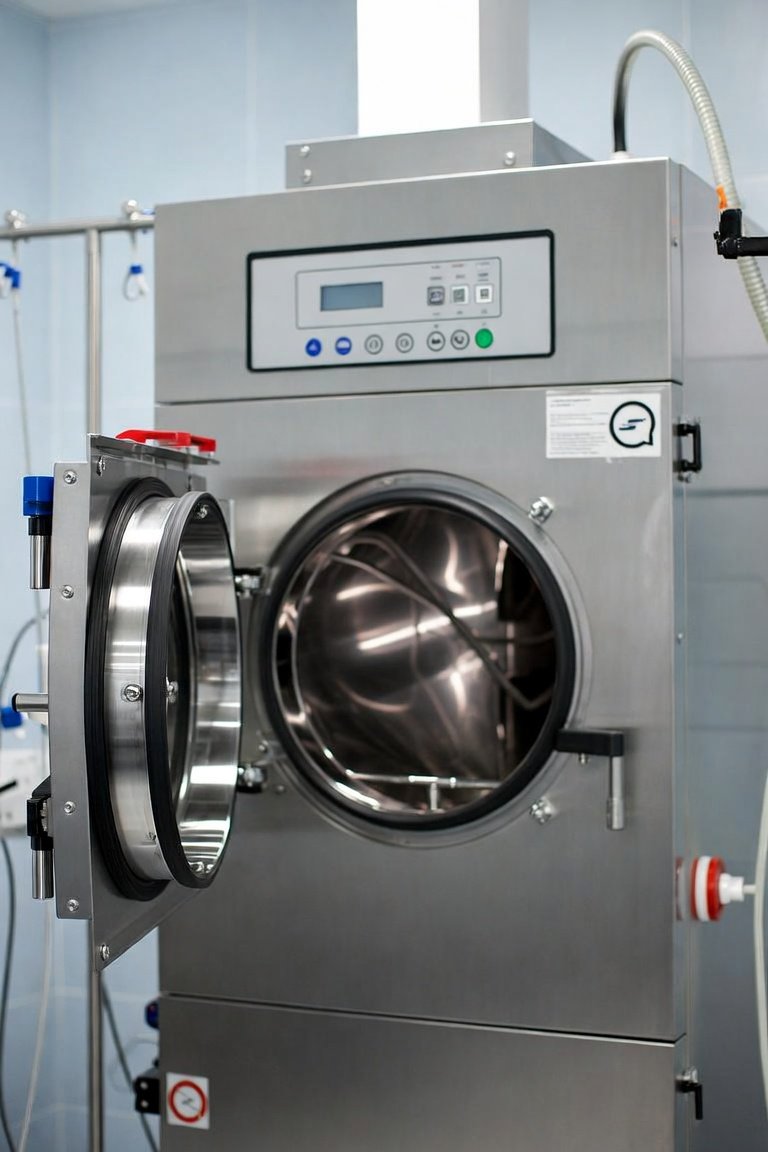
8. A high-quality autoclave. Sterilization is not optional. For a small practice, a tabletop steam autoclave with a 10- to 15-minute cycle is sufficient. Choose a model with a built-in printer for cycle documentation. The Tuttnauer and Midmark brands are widely trusted. Do not buy a used autoclave unless you know its service history.
9. A computer system with a dedicated EMR. This is not a glamorous tool, but it is the backbone of your practice. Invest in a solid-state drive, at least 8GB of RAM, and a 24-inch monitor. The EMR should be cloud-based for easy access. Practice Fusion and Athenahealth are popular for new practices because they are affordable and intuitive.
10. A secure medication storage system. You need a lockable cabinet for controlled substances and a separate refrigerator for vaccines and injectables. The refrigerator must have a temperature alarm. The cabinet should be mounted to the wall. Do not use a household fridge—medical-grade units maintain consistent temperature.
When comparing options, focus on total cost of ownership. A cheaper table that breaks in two years will cost you more in downtime than a better-built model. For vital signs monitors, always buy from a manufacturer with a local service center. You cannot afford to ship a monitor back for repair.
What to look for in every purchase: warranty length, availability of replacement parts, and ease of cleaning. The best equipment is the one you can keep running for five years with minimal hassle.
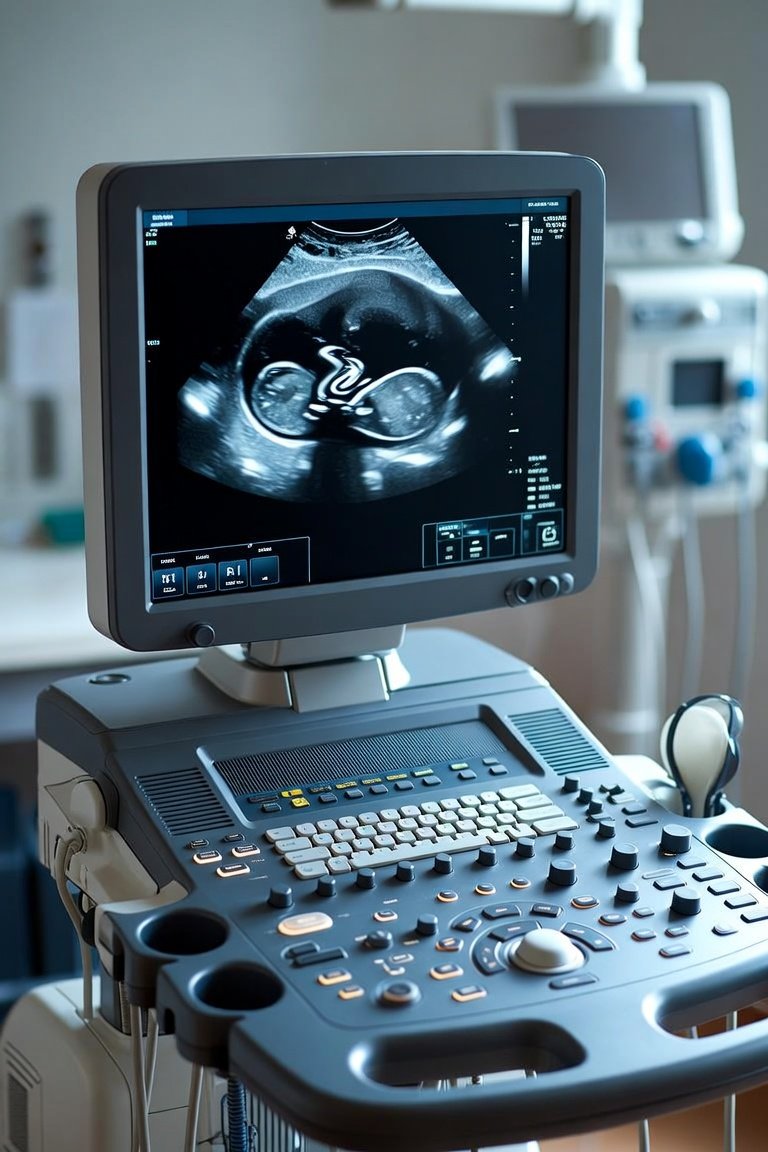
My closing recommendation is simple: start with the basics. Do not buy an ultrasound or a stress test system until your practice is stable. The ten tools above will cover 95% of your daily patient needs. Once you have them, you can expand. Your patients will appreciate your competence, and your bank account will thank you.
Clinic Equipment
10 Essential Tools for a New Medical Practice