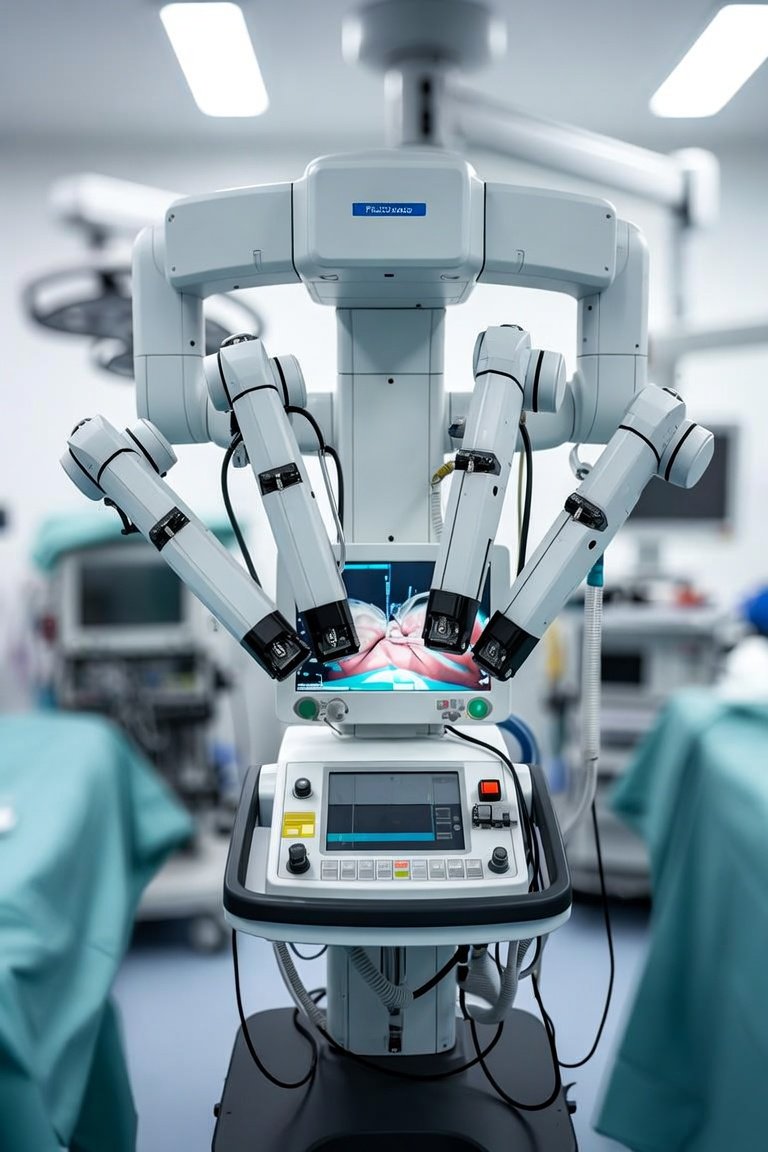
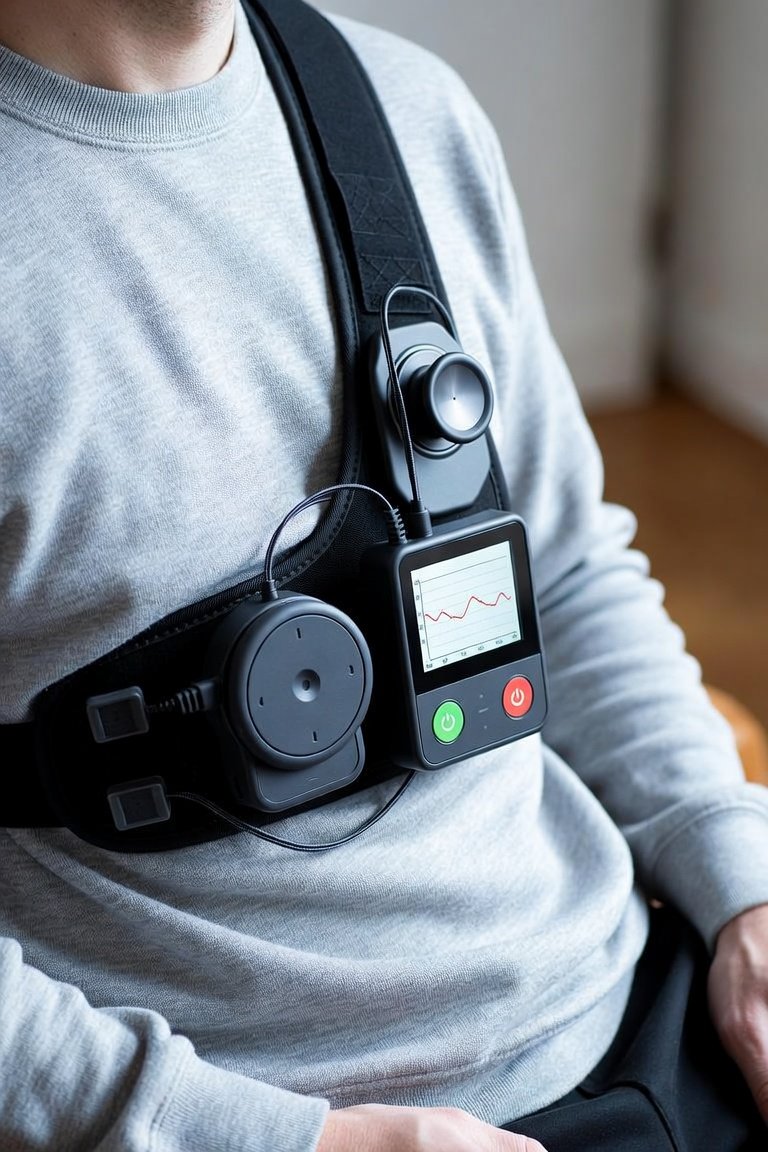
Walk into any major operating room today and you will see something that did not exist a decade ago: a surgical system that learns. Not just a robotic arm following pre-programmed paths, but a platform that analyzes tissue density, tracks instrument position in real time, and alerts the surgeon to critical structures before the scalpel touches them. This is not science fiction. This is the current state of AI-assisted surgery, and it is changing how we approach everything from routine cholecystectomies to complex cranial resections. As a medical equipment specialist who has spent two decades evaluating these systems, let me give you the practical breakdown of what actually matters in the OR.
The first thing to understand is that AI in surgery is not one single technology. It is a spectrum of capabilities. At the basic level, we have computer vision systems that enhance intraoperative imaging. These systems use convolutional neural networks to identify anatomical landmarks, flag unusual vascular patterns, and even estimate blood loss from video feeds. At the intermediate level, we have decision support tools that integrate preoperative imaging with live surgical data. These systems can predict where a tumor margin is likely to be, based on thousands of similar cases, and overlay that prediction on the surgeon's view. At the advanced level, we have autonomous or semi-autonomous systems that perform specific tasks, like suturing or tissue retraction, under surgeon supervision. Each level requires different training, different hardware, and different expectations.
When comparing systems on the market, focus on three practical differentiators. First, the learning curve. Some platforms require 50 to 100 supervised cases before a surgeon achieves proficiency, while newer systems with AI-driven haptic feedback can cut that to 20 cases. Second, the data integration capability. The best systems do not just show you a live video; they fuse it with preoperative CT or MRI data, aligning the images automatically. Third, the alert system. Look for platforms that provide visual and auditory cues without being distracting. A system that beeps constantly will be ignored, and an ignored alert is worse than no alert at all. In my experience, the most effective systems use a tiered alert structure: subtle color changes for low-risk information, and a distinct audio tone plus visual highlight for critical structures within a defined safety margin.
What should you look for when evaluating AI-assisted systems for your hospital? Start with the validation data. Ask the manufacturer for peer-reviewed studies, not just marketing brochures. Specifically, ask about false positive rates for alerts. A system that identifies a ureter incorrectly in five percent of cases is dangerous; one that does so in 0.5 percent is useful. Second, check the system's ability to handle anatomical variation. Real patients have scar tissue, unusual fat distribution, and prior surgical changes. The AI must be robust to these variations. Third, consider the data privacy and storage requirements. These systems generate enormous amounts of video and patient data. Ensure your hospital's IT infrastructure can handle the load and that the vendor complies with HIPAA and GDPR standards.
Finally, a word on the human element. AI-assisted surgery is not about replacing the surgeon. It is about extending your capabilities. The best outcomes I have seen come from surgeons who treat the AI as a highly knowledgeable junior colleague, one who has seen thousands of cases but lacks your judgment. Use the AI for what it does best: pattern recognition, consistency, and tireless vigilance. Use your own expertise for what you do best: adapting to unexpected findings, making nuanced decisions, and communicating with the patient and family.
If you are considering adopting this technology, start small. Choose one procedure type, one surgical team, and one platform. Run a three-month pilot with clear metrics: operative time, complication rates, and surgeon satisfaction. The data will tell you whether the technology is earning its place in your OR. In my twenty years, I have seen many technologies come and go. AI-assisted surgery is here to stay, but it will only help those who understand it, evaluate it critically, and integrate it thoughtfully. That is the real innovation, and it starts with you.
Innovations & Tech
AI-Assisted Surgery: A Practical Guide for the Modern OR