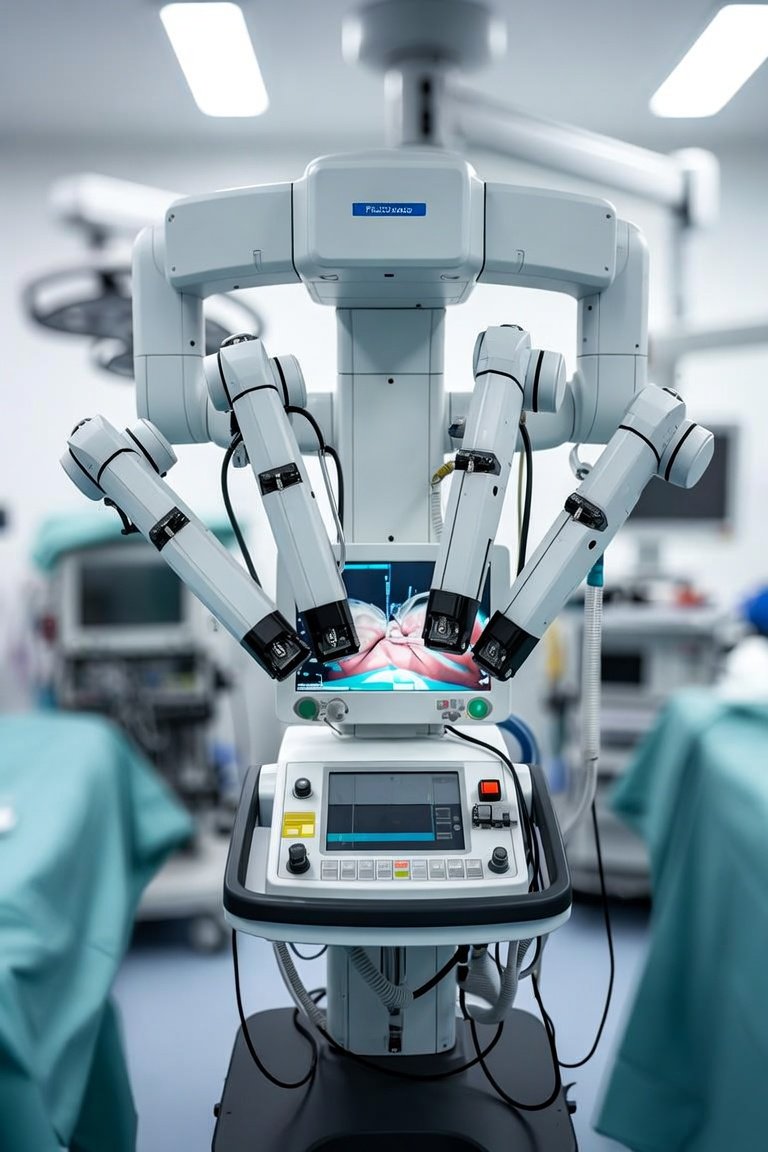
I have spent two decades evaluating surgical technology, from early robotic platforms to today’s AI-enhanced systems. The buzz around artificial intelligence in the OR is loud, but what doctors really need is a clear, practical understanding of what works and what is still experimental. Let me cut through the hype and give you the actionable details.
AI-assisted surgery is not a single device. It is a collection of technologies integrated into existing platforms. The key features doctors should know are threefold. First, real-time image analysis. Modern AI algorithms can process intraoperative video to identify anatomical landmarks, highlight critical structures like ureters or blood vessels, and even predict tissue perfusion in real time. This is not science fiction; systems like the da Vinci SP with Firefly fluorescence and AI overlay are already in use. Second, decision support. AI can analyze patient data, including preoperative imaging and vitals, to suggest optimal instrument angles or warn of potential complications. For example, the Stryker Mako system uses AI to guide bone cuts in joint replacement with submillimeter precision. Third, workflow automation. AI can automate repetitive tasks such as instrument counting, video recording for training, and even adjusting OR lighting and camera focus. This frees the surgical team to focus on the patient.
When comparing AI-assisted systems, you have two main categories: integrated platforms and add-on modules. Integrated platforms, like the Medtronic Hugo or the CMR Surgical Versius, come with AI built into the console. They offer seamless data flow but require significant capital investment. Add-on modules, such as the Activ Surgical ActivSight or the Proximie platform, can be attached to existing laparoscopic or robotic systems. These are more cost-effective and allow gradual adoption. In my experience, hospitals often start with an add-on module to test AI capabilities before committing to a full platform. The trade-off is that add-on modules may not have the same level of integration or regulatory clearance for all procedures.
What should you look for when evaluating an AI-assisted system? First, regulatory clearance. In the US, look for FDA 510(k) clearance specifically for the AI features, not just the hardware. Second, clinical validation. Ask for peer-reviewed studies showing improved outcomes, not just vendor white papers. Third, training requirements. Some systems require a steep learning curve for the AI interface itself. I recommend a hands-on simulation session before purchase. Fourth, data privacy. Ensure the system complies with HIPAA and has clear policies on how surgical video and patient data are stored and used. Finally, upgradeability. AI evolves quickly. Choose a system that allows software updates without hardware replacement.
My closing recommendation is this: do not rush. AI-assisted surgery is a powerful tool, but it is not a replacement for surgical judgment. Start with a single, well-validated application, such as AI-guided lymph node mapping in colorectal surgery or AI-assisted tumor margin assessment in breast cancer. Use it as a second opinion, not a primary driver. Train your team thoroughly, and review outcomes quarterly. The technology will continue to advance, but the fundamentals of patient safety and surgical skill remain paramount. If you approach AI as a partner rather than a savior, you will get the best results for your patients and your practice.
Innovations & Tech
AI-Assisted Surgery: Separating Signal from Noise in the Operating Room