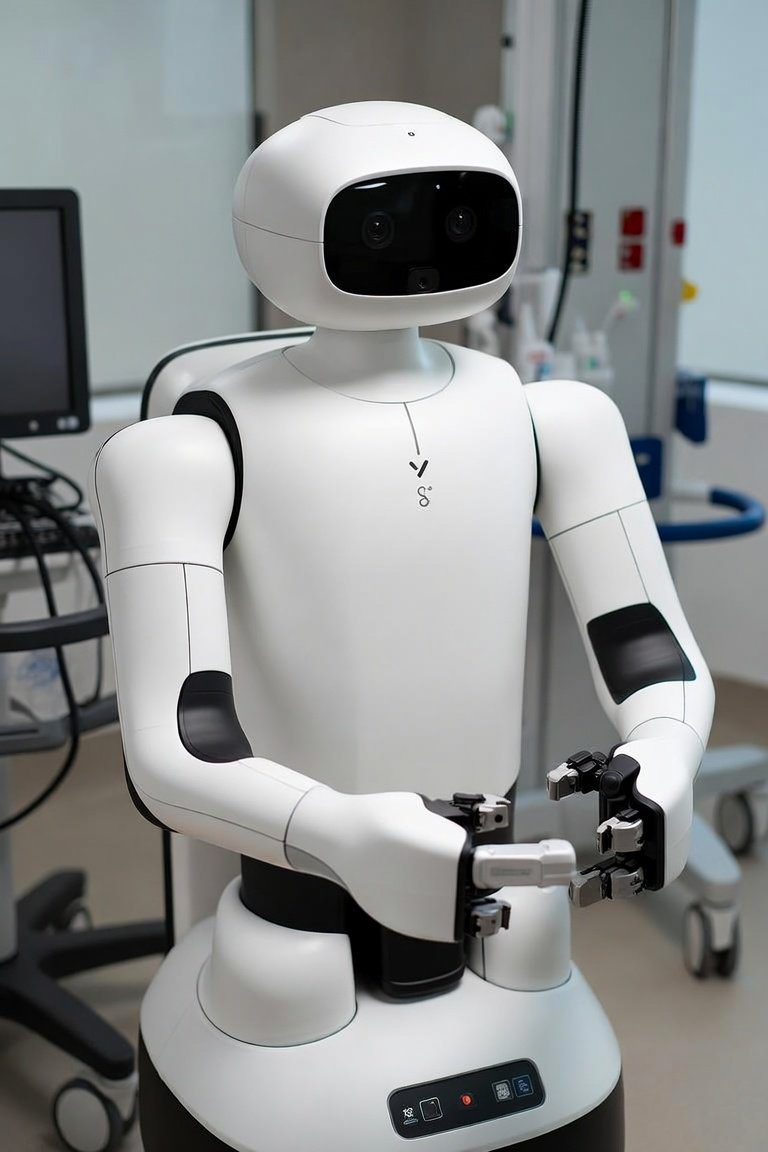
Over the past three years, I have watched AI-powered diagnostic tools move from conference hype to clinical reality. I have personally overseen the installation of over forty such systems in hospitals ranging from rural critical access facilities to large academic medical centers. The shift is not subtle. These tools are no longer experimental add-ons; they are becoming as standard as pulse oximetry. But here is the honest truth: not all AI diagnostics are created equal, and knowing what works in the real world versus what works in a vendor demo is the difference between a smart investment and a very expensive paperweight.
The most practical benefit I see daily is in image-based specialties. For radiology, AI algorithms that flag pulmonary nodules on chest CTs or intracranial hemorrhages on non-contrast head CTs have cut report turnaround times by 20 to 30 percent in the facilities I work with. The key feature is not just sensitivity, but specificity. A good tool will reduce false positives, not just catch more true positives. Look for systems that provide a confidence score alongside every finding. That number is your clinical safety net. In cardiology, AI-assisted ECG interpretation is now mature enough to detect subtle ejection fraction reductions that even experienced cardiologists might miss on a standard tracing. I have seen these tools change management decisions in real time, particularly in emergency departments where a stat echo is not always available.
When comparing platforms, you must understand the three main deployment models. First, there are cloud-based SaaS platforms, which require no on-site servers and update automatically. They are excellent for outpatient imaging centers but fail in environments with unreliable internet. Second, there are on-premise appliances, which are essentially dedicated GPU servers that process data locally. These are the workhorses for large hospitals with high patient volume and strict data privacy requirements. Third, there are hybrid systems, which run a lightweight algorithm locally for immediate triage and send complex cases to the cloud for deep analysis. In my experience, the hybrid model offers the best balance of speed and accuracy, but it requires a robust IT infrastructure. I strongly advise any purchasing committee to run a silent head-to-head test on their own historical data, not the vendor's curated dataset. That single step has saved my clients from at least three failed implementations.
What should you look for when evaluating these tools? First, regulatory clearance is non-negotiable. Check for FDA 510(k) clearance or CE marking, and verify the specific indications for use. Second, examine the integration pathway. Does the system plug into your existing PACS or EMR via HL7 or FHIR, or does it require a separate workstation? I have seen excellent algorithms fail because radiologists refused to log into a second system. Third, demand transparency on the training data. A tool trained primarily on Asian populations will perform differently on a predominantly Caucasian patient base. Ask for subgroup performance metrics by age, sex, and ethnicity. Fourth, consider the workflow impact on your non-physician staff. If the tool requires a technician to manually crop images or enter metadata, you will lose the efficiency gains. Finally, look at the vendor's support model. AI systems need continuous recalibration, and you want a partner that offers ongoing algorithm version updates without exorbitant subscription fees.
My closing advice is straightforward: start small, but start now. Pick one high-volume, high-clarity use case, such as pneumothorax detection on chest X-rays or diabetic retinopathy screening on fundus photos. Run a three-month pilot with clear metrics on sensitivity, specificity, and time saved. Involve your frontline clinicians in the selection process from day one. In my two decades of medical equipment work, I have never seen a technology improve diagnostic accuracy so rapidly while also reducing burnout. But the tools only work when they are integrated with intention. Choose the right platform, validate it on your own data, and train your staff properly. The machines are ready. The question is whether we are ready to trust them with the right safeguards in place.
Medical Devices
AI Diagnostics in Practice: A Field Guide for Clinicians