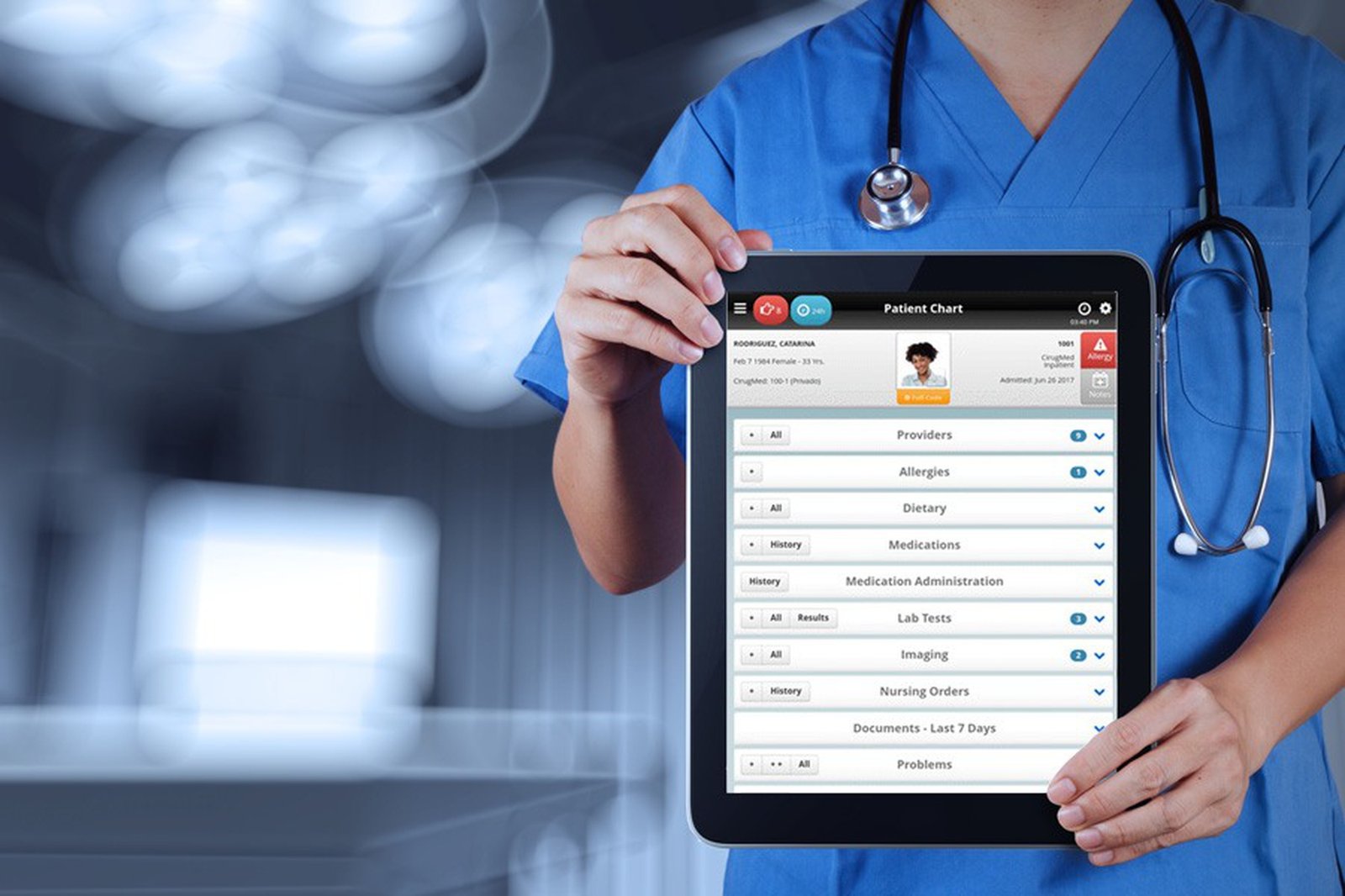
If you run a busy clinic, you already know the drill. Patient flow, billing, scheduling, lab results, and compliance demands keep piling up. The software you choose in 2026 will either be your greatest ally or your biggest headache. After two decades working with medical technology, I have seen platforms come and go. The ones that last share a few critical traits: they are secure, they integrate easily, and they save your staff real time.
The first thing to look for is all-in-one functionality. The best systems now combine electronic health records, practice management, patient portal, and telemedicine in a single platform. You do not want to juggle three separate logins. For 2026, the leaders are systems like AdvancedMD, Kareo, and Practice Fusion. AdvancedMD offers strong revenue cycle management with built-in claim scrubbing. Kareo is excellent for smaller practices because of its intuitive interface and straightforward billing. Practice Fusion remains a solid choice for independent clinics needing a free or low-cost EHR, though its reporting tools are more limited. For larger multi-specialty groups, Epic and Cerner still dominate, but they come with a steep learning curve and higher cost.
What sets 2026 apart is the rise of AI-driven features. Look for software that includes smart scheduling that predicts no-shows and automatically fills gaps. Some platforms now use natural language processing to draft clinical notes from your dictation, cutting documentation time by half. Automated patient reminders via text or email are standard, but the best systems now personalize these based on patient history. For example, a diabetic patient might get a reminder for a foot exam while a hypertensive patient receives a blood pressure check alert.
Integration is non-negotiable. Your software must talk to your lab system, your imaging center, and your pharmacy. If you use a specific lab or imaging vendor, confirm the software has a direct HL7 interface. Avoid systems that require manual data entry for results. Also, check for patient portal integration that allows secure messaging, appointment booking, and bill payment. In 2026, patients expect to handle these tasks from their phone.
Security is another top priority. With HIPAA fines increasing, you need software that offers end-to-end encryption, multi-factor authentication, and automatic audit logs. Cloud-based systems are now the norm, but verify that the vendor has a business associate agreement and performs regular third-party security audits. Do not accept anything less.
Finally, consider the total cost of ownership. Subscription fees vary widely. A typical solo practice might pay 300 to 600 dollars per month for a good all-in-one system. Larger groups pay per provider, often 500 to 1,500 dollars per month. Factor in implementation, training, and any add-ons like telehealth or patient portal modules. Always ask for a free trial and test the workflow with your actual staff for at least two weeks.
In closing, my recommendation for 2026 is to choose software that balances ease of use with robust features. For most small to mid-sized clinics, Kareo or AdvancedMD will serve you well. If you need a budget-friendly start, Practice Fusion is a reasonable entry point. But whatever you pick, prioritize integration, AI-driven automation, and strong security. Your clinic deserves a tool that works as hard as you do.
Clinic Management
Best Clinic Management Software for 2026: A Practical Guide for Medical Professionals