In my two decades of working with medical technology, I have seen portable ECG monitors evolve from niche research tools into essential devices for both clinical practice and home monitoring. The market is now flooded with options, but not all are created equal. Whether you are a cardiologist wanting to track a patient between visits or a patient managing atrial fibrillation, choosing the right device is critical for reliable data and peace of mind. Let me cut through the noise and compare the top contenders based on real-world use, accuracy, and ease of integration into daily life.
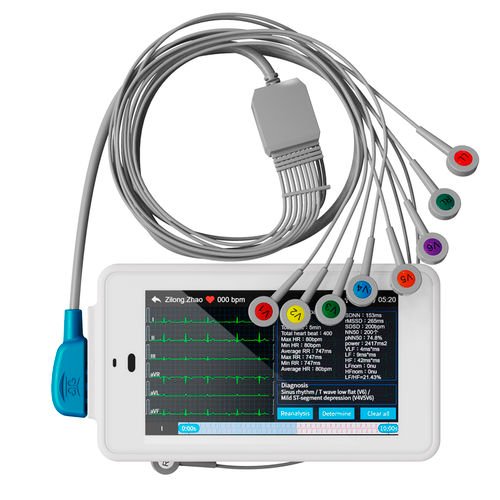
The first thing to understand is the difference between single-lead and multi-lead devices. Single-lead monitors, like the KardiaMobile or the Apple Watch Series 9, are excellent for detecting atrial fibrillation and simple rate irregularities. They are compact, often fitting in a pocket or worn on the wrist, and they provide immediate feedback via a smartphone app. However, they cannot capture the full electrical picture of the heart. For suspected ischemia or complex arrhythmias, a multi-lead device such as the QardioCore or the Biobeat chest patch is superior. These offer 3 to 12 leads, giving you a more comprehensive view, but they are bulkier and require proper skin contact. In my experience, the KardiaMobile 6L strikes a smart balance: it provides six leads in a slim, credit-card-sized unit that pairs with a phone, making it ideal for routine checks without sacrificing too much detail.
Battery life and data storage are next on the list. The KardiaMobile series runs on a small battery that lasts for months, as it only powers on during a 30-second reading. The Apple Watch, by contrast, needs daily charging if you use its ECG feature regularly. For continuous monitoring, the Zio XT patch is a standout, offering up to 14 days of wear with no charging needed, but it is a single-use device that must be mailed back for analysis. If you need real-time streaming to a provider, the Biobeat wrist monitor offers continuous monitoring with a rechargeable battery lasting about 7 days. I always advise my patients to consider their lifestyle: if you are active and forget to charge, a long-life or disposable option is safer. For data storage, ensure the device syncs automatically to a secure cloud platform. The QardioCore, for example, stores up to 24 hours of data locally before uploading, which is vital if you are in an area with poor cell service.
Accuracy is non-negotiable. All FDA-cleared devices are tested, but real-world performance varies. The AliveCor KardiaMobile has been validated in numerous studies for AFib detection with sensitivity above 95%. The Apple Watch also performs well, but it can produce false positives in patients with high heart rates or motion artifacts. For multi-lead devices, the Biobeat chest patch uses a proprietary algorithm that reduces noise from movement, making it a strong choice for athletes or those with tremor. I always tell my colleagues: never rely solely on a portable device for a diagnosis. Use it as a screening tool, and confirm findings with a standard 12-lead ECG in the clinic. The best device is one that your patient will actually use consistently, so comfort and ease of application matter as much as technical specs.
When comparing these monitors, focus on three factors: lead count, battery life, and clinical validation. For most patients, a single-lead device like the KardiaMobile is sufficient for daily rhythm checks and rapid AFib detection. For those with known structural heart disease or unexplained symptoms, a multi-lead option like the QardioCore or a patch monitor is better. Always check that the device is cleared by the FDA or equivalent regulatory body, and ensure the companion app is HIPAA-compliant if you are sharing data with a physician. I have seen too many patients buy a cheap device from an online marketplace only to get unusable tracings.
My final recommendation is this: start with the KardiaMobile 6L for its balance of portability and diagnostic capability. It is the device I recommend most often in my practice. If you need continuous monitoring or have a high suspicion of paroxysmal arrhythmias, invest in a wearable patch like the Zio XT or a chest strap like the Biobeat. No device replaces a doctor, but the right portable ECG monitor can be a powerful ally in catching what happens between appointments. Choose wisely, and always keep your clinical goals front and center.
Medical Devices
Best Portable ECG Monitors: A Practical Comparison for Clinicians and Patients