For over two decades, I have watched sterilization technology evolve from basic steam units to sophisticated systems that integrate seamlessly with facility workflows. Choosing the right equipment is not just about killing pathogens; it is about reliability, throughput, and safety for your staff. Every facility, whether a small clinic or a large hospital, faces the same core question: which method best matches my case volume and instrument types? Let me share what I have seen work best in real-world settings.
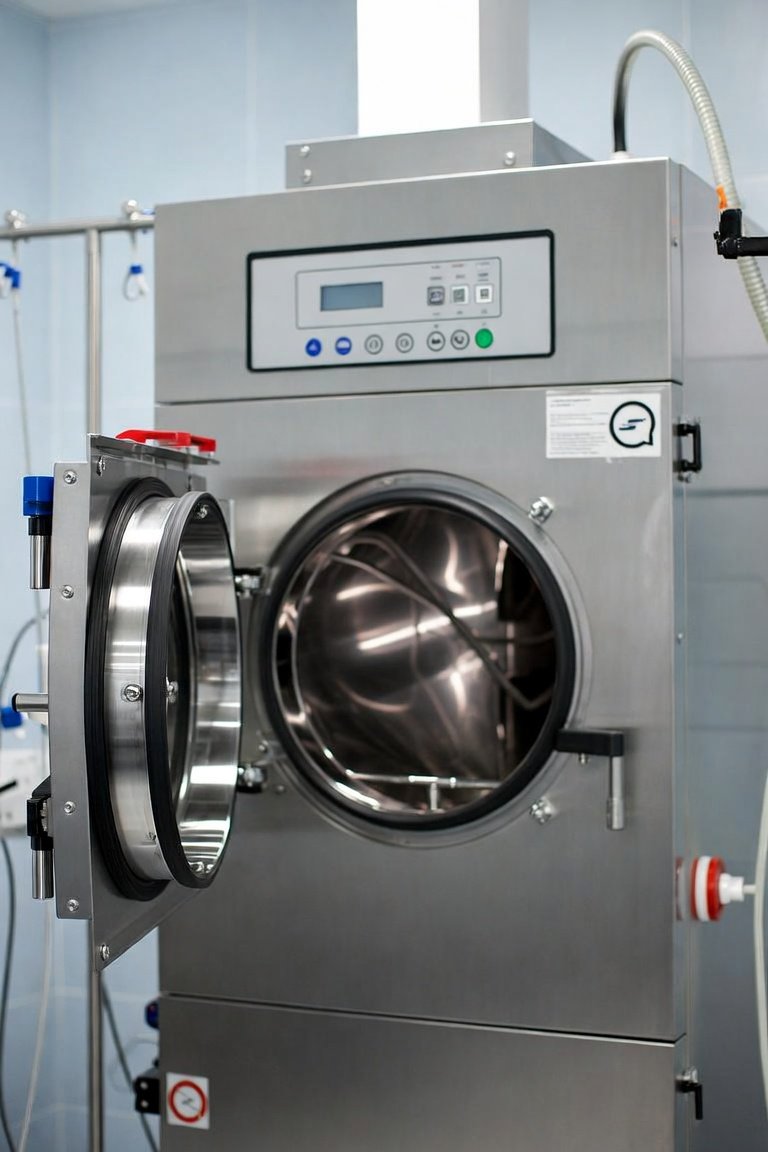
When evaluating sterilization equipment, three key features consistently separate the best from the rest. First, cycle speed and automation matter more than most realize. Modern autoclaves with pre-vacuum cycles can complete a load in under 30 minutes, compared to older gravity-displacement units that take twice as long. Second, look for integrated data logging. Units that automatically record time, temperature, and pressure for each cycle save endless hours of manual documentation and reduce compliance headaches. Third, consider the chamber size and loading flexibility. A 20-inch chamber may suffice for a dental practice, but a surgical center needs at least a 24-inch chamber with multiple trays. I always advise facilities to buy one size larger than their current needs, because volume always grows.
The main options today fall into three categories: steam autoclaves, hydrogen peroxide plasma sterilizers, and ethylene oxide sterilizers. Steam remains the gold standard for heat-stable instruments. It is fast, cost-effective, and proven. For heat-sensitive items like endoscopes and camera heads, hydrogen peroxide plasma systems are excellent. They run at low temperatures, leave no toxic residue, and complete cycles in under an hour. The trade-off is higher upfront cost and the need for special packaging. Ethylene oxide is best for complex devices with lumens, but its long aeration times and strict safety requirements make it impractical for most clinics. In my experience, a combination of a steam autoclave and a hydrogen peroxide unit covers 95 percent of needs for any busy facility.
What should you look for when purchasing? Prioritize units with self-diagnostic features that alert you to maintenance needs before a failure occurs. Check that the manufacturer offers local service support, not just a toll-free number. I have seen clinics lose days of productivity waiting for a technician to fly in. Also, verify that the equipment meets the latest ANSI/AAMI standards for sterilization cycles. Some cheaper models claim compliance but do not actually validate their cycles for all instrument types. Finally, ask about consumable costs. A low-priced sterilizer often uses expensive proprietary cassettes or filters that drive up long-term expenses.
My closing recommendation is simple: do not cut corners on sterilization. It is the backbone of patient safety. Invest in a reputable brand like Tuttnauer, Steris, or Getinge, and pair it with a robust maintenance contract. Train your staff thoroughly on loading techniques and cycle selection. A well-chosen sterilizer will serve your facility for over a decade with proper care. If you are unsure, start with a mid-range steam autoclave from a proven manufacturer. You can always add a plasma unit later. Your patients and your team deserve nothing less.
Clinic Equipment
Best Sterilization Equipment for Medical Facilities: A Practical Guide