Selecting the right sterilization equipment is one of the most critical decisions a medical facility can make. I have spent two decades evaluating autoclaves, low-temperature sterilizers, and washer-disinfectors across hospitals, clinics, and dental practices. The wrong choice leads to instrument damage, workflow bottlenecks, or worse, compromised patient safety. Here is what I have learned about the best options available today.
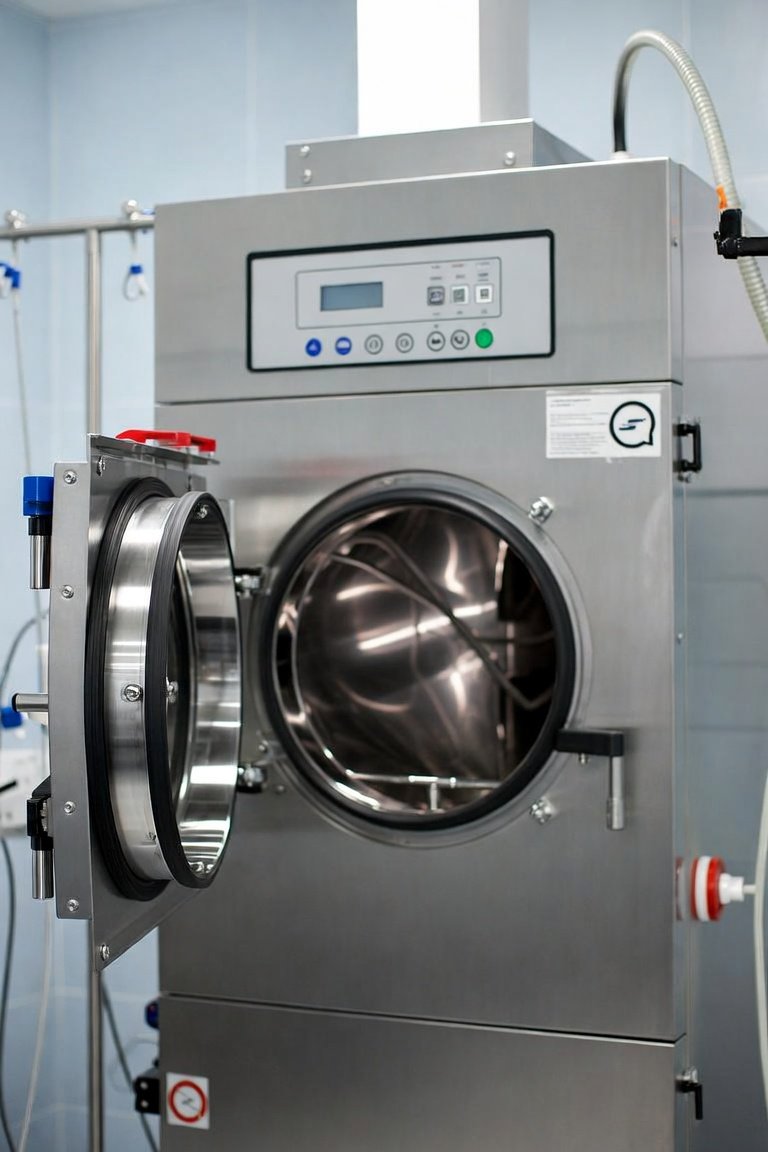
The foundation of any sterilization strategy is the steam sterilizer, or autoclave. For most facilities, the best choice is a Class B vacuum autoclave. These units use a vacuum pump to remove air before steam injection, ensuring steam penetrates porous loads like wrapped instruments and hollow devices. Key features to prioritize are: 1) a pre-vacuum cycle that reaches 134 degrees Celsius at 2.1 bar for a minimum of 3.5 minutes for unwrapped instruments, 2) a built-in printer or data logging system for cycle documentation, and 3) a water quality sensor that prevents scale buildup. For high-volume clinics, a double-door autoclave with a pass-through design reduces contamination risk by separating clean and dirty areas. I recommend models from Tuttnauer, Getinge, or Midmark for reliability.
For heat-sensitive instruments like endoscopes, ultrasound probes, and robotics, low-temperature sterilization is essential. Hydrogen peroxide gas plasma systems, such as the STERRAD series, are the gold standard. They operate at around 50 degrees Celsius and complete cycles in 28 to 55 minutes. The key advantage is no toxic residues, meaning instruments can be used immediately after the cycle ends. Ethylene oxide (EtO) sterilizers remain an option for complex devices, but they require aeration times of 8 to 12 hours, which slows turnaround. I advise facilities to choose plasma systems unless they handle large volumes of single-use devices that demand EtO.
Washer-disinfectors are often overlooked but are equally vital. They automate the cleaning step, removing bioburden before sterilization. The best units use thermal disinfection at 93 degrees Celsius for 10 minutes, followed by a drying phase. Look for models with rotating spray arms, detergent dosing pumps, and HEPA-filtered drying air. Brands like Miele and Steelco excel here. A common mistake is skipping the washer-disinfector and relying on manual cleaning, which increases the risk of retained organic material.
What should you look for when purchasing? First, verify the sterilization cycle parameters match your instrument inventory. Second, demand a validation report from the manufacturer showing performance against ISO 17665 for steam or ISO 14937 for low-temperature. Third, consider total cost of ownership: consumables like chemical indicators, biological indicators, and maintenance contracts add up. For a mid-sized clinic, a Class B autoclave paired with a hydrogen peroxide plasma system covers 90 percent of needs. Always test with biological indicators weekly, not just chemical integrators.
My closing recommendation is simple: invest in equipment that offers data connectivity. Modern sterilizers with Ethernet or USB ports allow you to download cycle logs, track maintenance intervals, and comply with Joint Commission standards. The best sterilization equipment is not the cheapest upfront but the one that delivers consistent, validated sterility while minimizing instrument damage and staff time. Choose wisely, and your facility will run safely and efficiently for years.
Clinic Equipment
Best Sterilization Equipment for Modern Medical Facilities