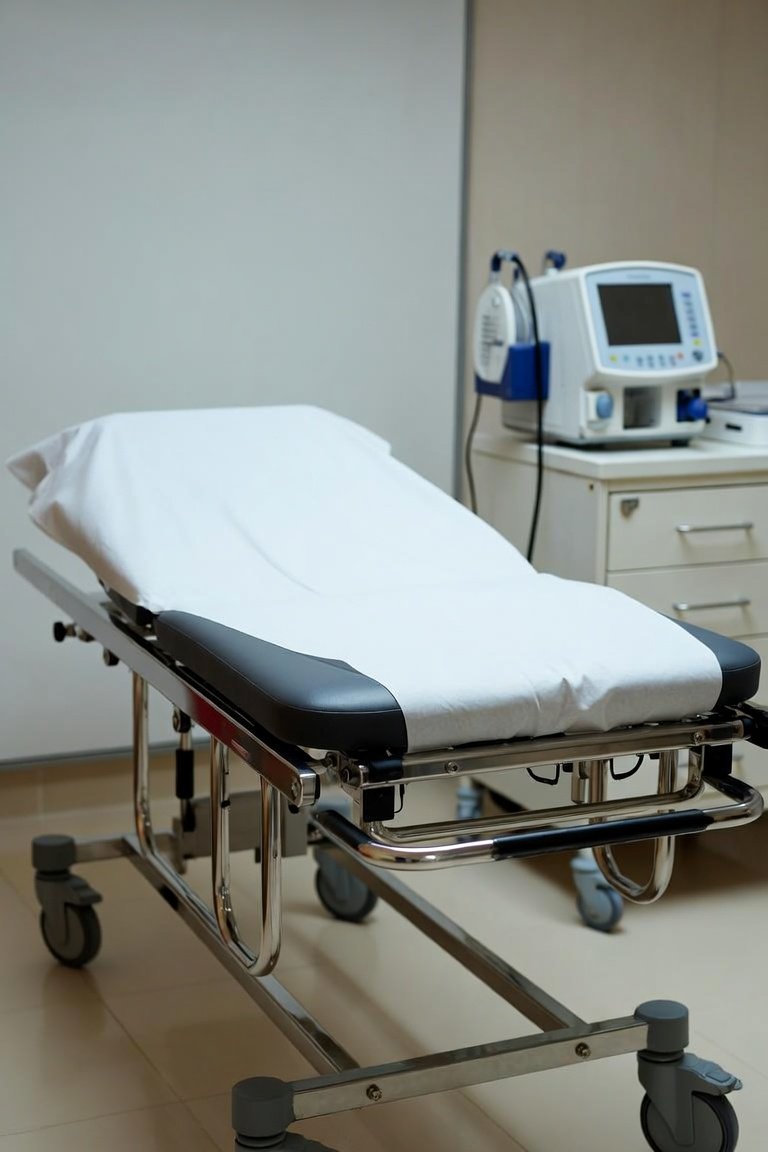
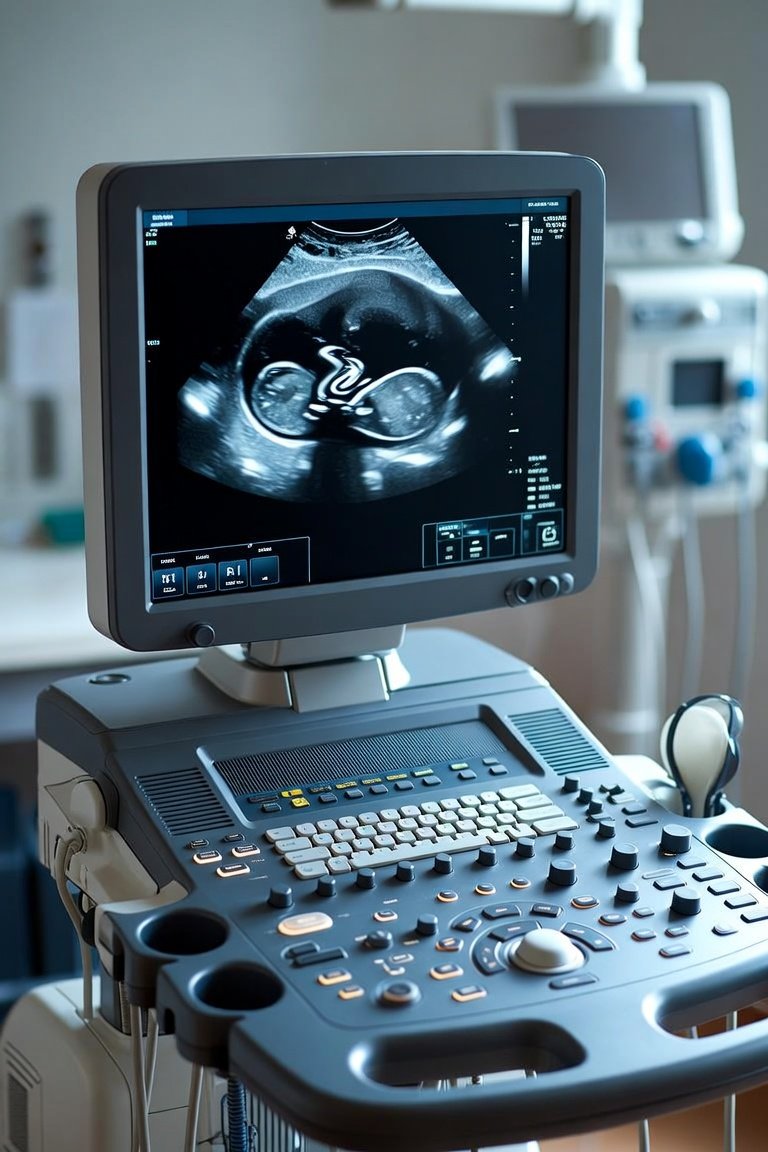
When I walk into a clinic that is still using a five-year-old monitor with a dim screen and a tangled cable mess, I know exactly what they are missing: efficiency, accuracy, and peace of mind. Selecting the right patient monitoring system is not just about buying a box with numbers on it. It is about matching the device to your clinical workflow, your patient population, and your budget. After two decades in the field, I have seen clinics waste thousands on systems that were either overkill or underpowered. Here is how to get it right.
First, focus on the core features that matter most in a clinic setting. The three non-negotiable parameters are ECG, non-invasive blood pressure (NIBP), and pulse oximetry (SpO2). But do not stop there. Look for three specific capabilities: 1) A high-resolution, daylight-readable display. You will be glancing at it from across the room, often under bright lights. A 10-inch or larger screen with anti-glare coating is worth the extra cost. 2) Smart alarm management. Alarms that trigger too often cause alarm fatigue and missed critical events. Choose a system with adjustable thresholds and a "pause" function for routine checks. 3) Wireless connectivity. Modern monitors should transmit data directly to your electronic health record (EHR) without manual entry. This cuts documentation time by at least 30 percent.
Now, let us compare the two main categories: portable spot-check monitors versus continuous multi-parameter systems. Spot-check units are ideal for small clinics, urgent care, or triage areas. They are lightweight, battery-powered, and allow you to take a quick set of vitals in under 30 seconds. They typically cost between 1,500 and 3,000 dollars per unit. Continuous monitors, on the other hand, are designed for higher-acuity settings like observation units or pre-operative areas. These units track trends over hours, include optional capnography or cardiac output modules, and often feature central station viewing. They run from 5,000 to 12,000 dollars each. My practical advice: if your clinic sees fewer than 20 patients per day who require vitals, stick with spot-check monitors. If you manage chronic disease patients or perform minor procedures, invest in two continuous monitors for your highest-risk rooms.
What to look for when you evaluate a specific model. First, check the sensor compatibility. Many brands lock you into proprietary SpO2 or NIBP cuffs, which can double your consumable costs. I recommend systems that accept reusable, third-party sensors. Second, examine the battery life. A monitor that dies after two hours is useless in a busy clinic. Aim for at least four hours of continuous use on a single charge. Third, test the user interface. The touchscreen should respond without lag, and the menu should allow you to change alarm limits or switch parameters in two taps or fewer. Finally, verify service and support. Ask the vendor for a list of local biomedical technicians who can perform annual calibration and emergency repairs. A monitor that is down for a week because no one can fix it is a liability.
In closing, do not buy the cheapest option or the most feature-packed model. Instead, buy the system that fits your patient volume, your staff’s technical comfort level, and your ability to maintain it. Start with one or two units from a reputable manufacturer like GE, Philips, or Mindray. Test them in your actual workflow for 30 days. If the nurses hate it, the patients complain, or the data fails to sync, return it. Your clinic’s safety and efficiency depend on this decision. Choose wisely.
Clinic Equipment
Choosing the Best Patient Monitoring System for Your Clinic