When a patient’s heart slips into ventricular fibrillation or pulseless ventricular tachycardia, the only definitive treatment is a controlled, high-energy shock delivered at the right moment. Over two decades of working with these devices, I have seen the difference between a defibrillator that saves a life and one that creates confusion under pressure. The best clinical defibrillators are not just powerful; they are intuitive, durable, and designed for the specific rhythm of your workplace.
The first critical decision is choosing between a manual external defibrillator and an automated external defibrillator, or AED. For hospitals, surgical suites, and code teams, a manual unit is non-negotiable. These devices give you full control over energy selection, synchronized cardioversion, and external pacing. The gold standard here remains the Physio-Control LIFEPAK 15. It is built like a tank, has a legendary battery life, and its shock advisory algorithm is clinically validated. For a busy emergency department, the ZOLL X Series is equally strong, offering a unique feature: real-time CPR feedback via its accelerometer pad. This tells you if your compressions are too shallow or too fast, which directly improves perfusion.
For clinics, dental offices, and outpatient centers, the landscape shifts. You need a device that a nurse or a physician’s assistant can operate without hesitation. The Philips HeartStart FRx is my top recommendation for these settings. It is lightweight, rugged, and has a simple two-button operation. Its pediatric capability is built in, requiring no special key or pad change for children under 55 pounds. The FRx also has a unique SMART CPR feature that guides the user through the correct compression-to-ventilation ratio, which is invaluable when a full code team is not present.
In the comparison between these two categories, the main difference is the level of clinical decision-making. A manual defibrillator like the LIFEPAK 15 or ZOLL X Series assumes the operator can interpret an ECG and decide on energy levels. An AED like the FRx or the HeartSine Samaritan PAD assumes the operator needs the device to make those decisions. For a hospital ward, I always advise having a manual unit on the crash cart and an AED in the hallway for immediate bystander use.
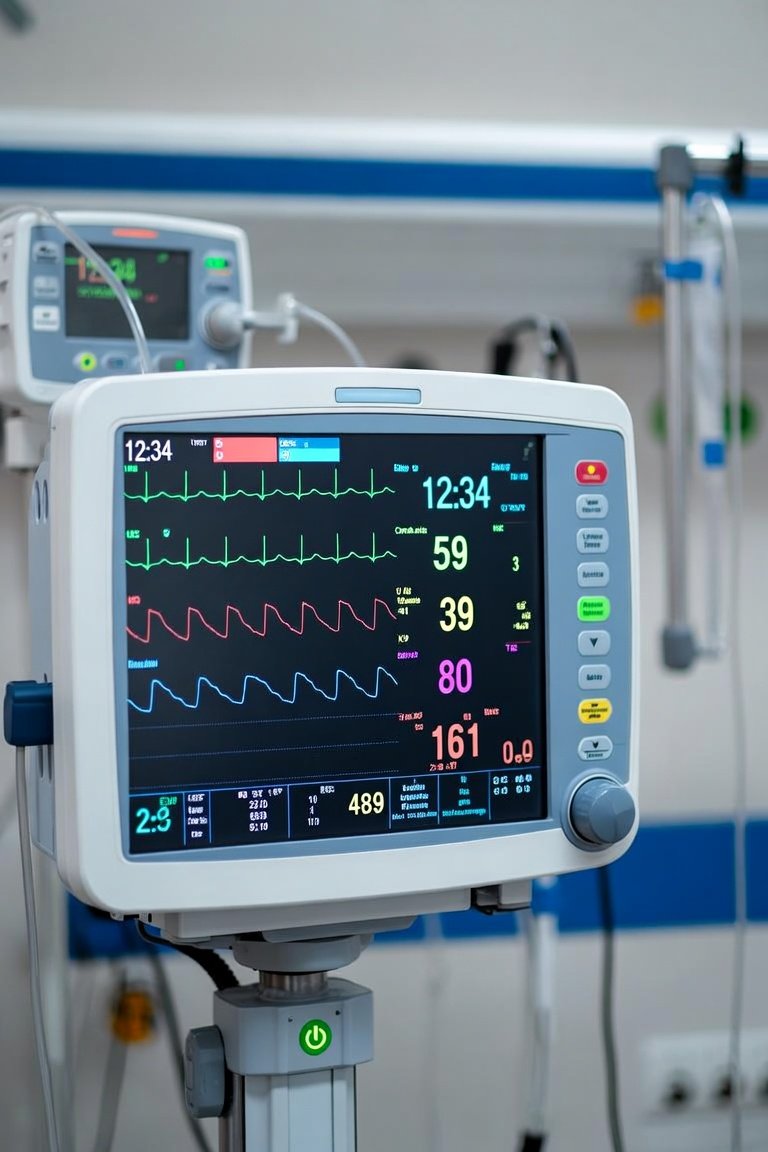
What should you look for when purchasing? First, battery type. Avoid devices with sealed lead-acid batteries; they have a shorter shelf life and are heavy. Modern lithium-ion batteries last 5 to 7 years in standby. Second, consider pad compatibility. Some manufacturers use proprietary connectors, which can be a problem if you run out of pads. Third, look for a device with a clear, large display that shows both the ECG waveform and the shock count. Finally, check the warranty and service contract. A defibrillator is a life-or-death tool; you need a manufacturer that offers 24/7 technical support and a loaner unit if yours goes down.
My closing recommendation is straightforward. For any clinical setting where staff are trained to interpret rhythms and manage airways, invest in a ZOLL X Series or LIFEPAK 15. Their advanced monitoring capabilities and proven reliability justify the higher cost. For a clinic, dental practice, or any location where the user may not be a critical care specialist, buy a Philips HeartStart FRx. It is the most user-friendly, reliable AED on the market. Test it, train your staff, and keep it visible. In a cardiac arrest, hesitation is the enemy. The right defibrillator removes that hesitation.
Medical Devices
Choosing the Right Defibrillator for Your Clinical Environment