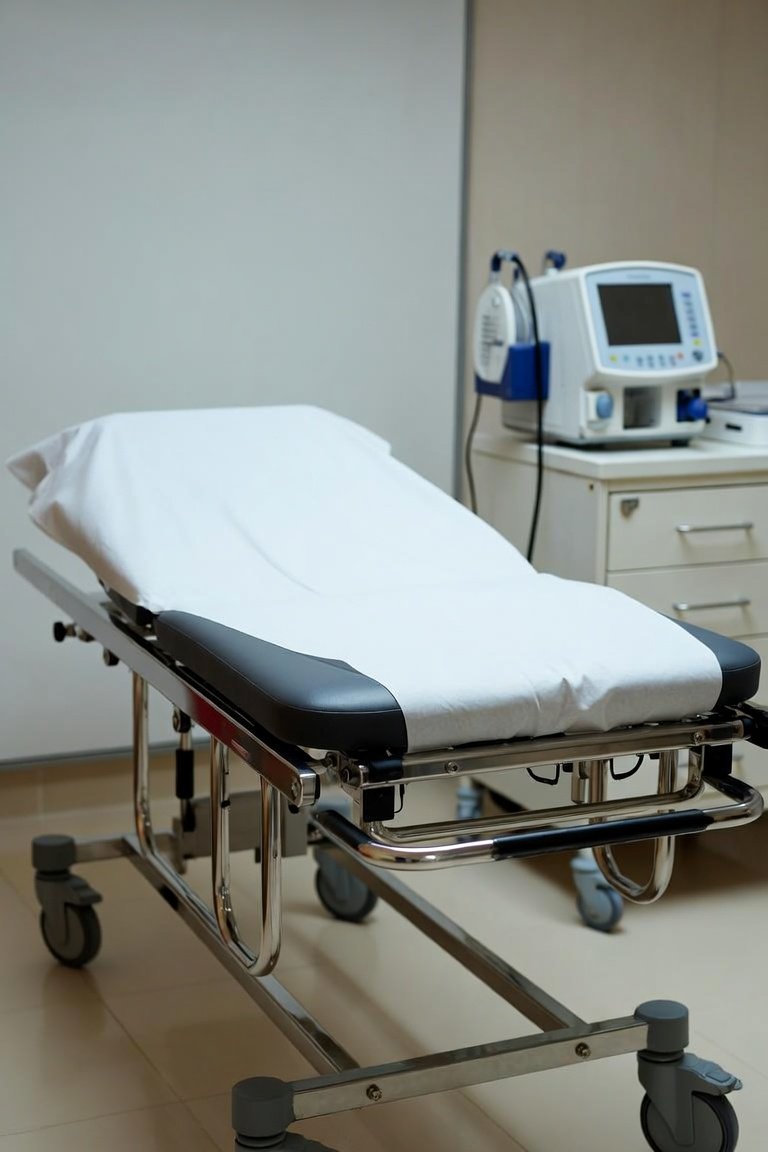
The examination table is the workhorse of your practice. It is the first piece of equipment a patient touches, and it sets the tone for their entire visit. Selecting the wrong one can lead to staff back injuries, patient discomfort, and a workflow that feels like a constant battle. Over two decades, I have seen clinics waste thousands of dollars on tables that do not fit their actual needs. The goal is not to buy the most expensive model, but to match the table to your specific clinical procedures, patient demographics, and available space.
The most critical decision you will make is the power mechanism. You have three basic choices: manual hydraulic, electric, and fixed-height. For a busy primary care or urgent care clinic, I strongly recommend an electric table. The ability to adjust height with a foot pedal allows the clinician to maintain a neutral spine posture, which is essential for preventing chronic back pain. Manual hydraulic tables are a solid budget option for low-volume practices, but they require physical effort to pump, which adds wear and tear on the staff. Fixed-height tables are now reserved almost exclusively for specialty rooms like phlebotomy or simple consultation, and they should be avoided for general exams.
Next, consider the table’s articulation and weight capacity. Look for a table that offers a true Trendelenburg position, not just a slight incline. This is a non-negotiable safety feature for handling patients who experience vasovagal syncope or sudden drops in blood pressure. The backrest should rise to a near-vertical position, and the leg section should lower independently to allow for proper pelvic exams. Pay close attention to the weight rating. A standard table rated for 400 pounds is no longer sufficient for many adult populations. I advise clinics to invest in bariatric-rated tables, which typically support 600 to 800 pounds. The extra cost is minimal compared to the liability of a table failing under load.
The upholstery is where form meets function, and it is often overlooked. You need a material that is fluid-resistant and can withstand repeated wiping with harsh disinfectants. Standard vinyl will crack and peel within two years. Look for a heavy-duty, marine-grade vinyl or a polyurethane blend. These materials resist punctures and staining from betadine and other chemicals. Also, examine the seam construction. Seams that are heat-welded are far superior to stitched seams, as stitches create tiny channels where blood and bodily fluids can seep into the padding, leading to bacterial growth and odors. The padding density matters too. A foam that is too soft will cause the patient to "bottom out" and feel the hard frame, while a high-resilience foam provides comfort without sacrificing stability for procedures.
Finally, do not ignore the accessories and footprint. Measure your exam room doorways before you order. A table with a 24-inch width is easier to maneuver through tight corridors than a 30-inch model. Consider the base style: a T-base or a U-base. A U-base allows the clinician to stand closer to the head of the table for procedures, but it takes up more floor space. For the accessories, you need to decide between a manual paper roll holder and an integrated one. Integrated systems are more hygienic and convenient, but they add to the cost. Also, check the stirrups. If you perform gynecological or urological exams, you need stirrups that are articulated and can be adjusted without the patient having to slide down the table. The best models have a quick-release lever that allows the stirrups to swing away when not in use.
In summary, your decision should be driven by three pillars: ergonomics for your staff, safety for your patient, and durability for your investment. Do not be swayed by flashy digital controls or built-in scales unless you have a specific need for them. Focus on the mechanical reliability of the lift system, the quality of the casters, and the ease of replacing the upholstery if it gets damaged. A good examination table is a 10-to-15-year investment. Spend the extra money on a model with a five-year warranty on the electric motor and a lifetime warranty on the frame. When you visit a dealer, do not just look at the table. Climb onto it, lower it to the floor, and raise it to your working height. The right table will feel like an extension of your own hands, allowing you to focus entirely on your patient.
Clinic Equipment
Choosing the Right Examination Table: A Guide for Modern Clinics