In my two decades of working with clinics and surgical centers, I have seen the full evolution of sterilization technology. The choice you make here is not just a line item on a budget; it is the cornerstone of patient safety and your facility's reputation. While the autoclave remains the workhorse, the market now offers a range of systems that cater to different volumes, instrument types, and turnaround times. The best equipment is not necessarily the most expensive, but the one that fits your specific clinical workflow without compromise.
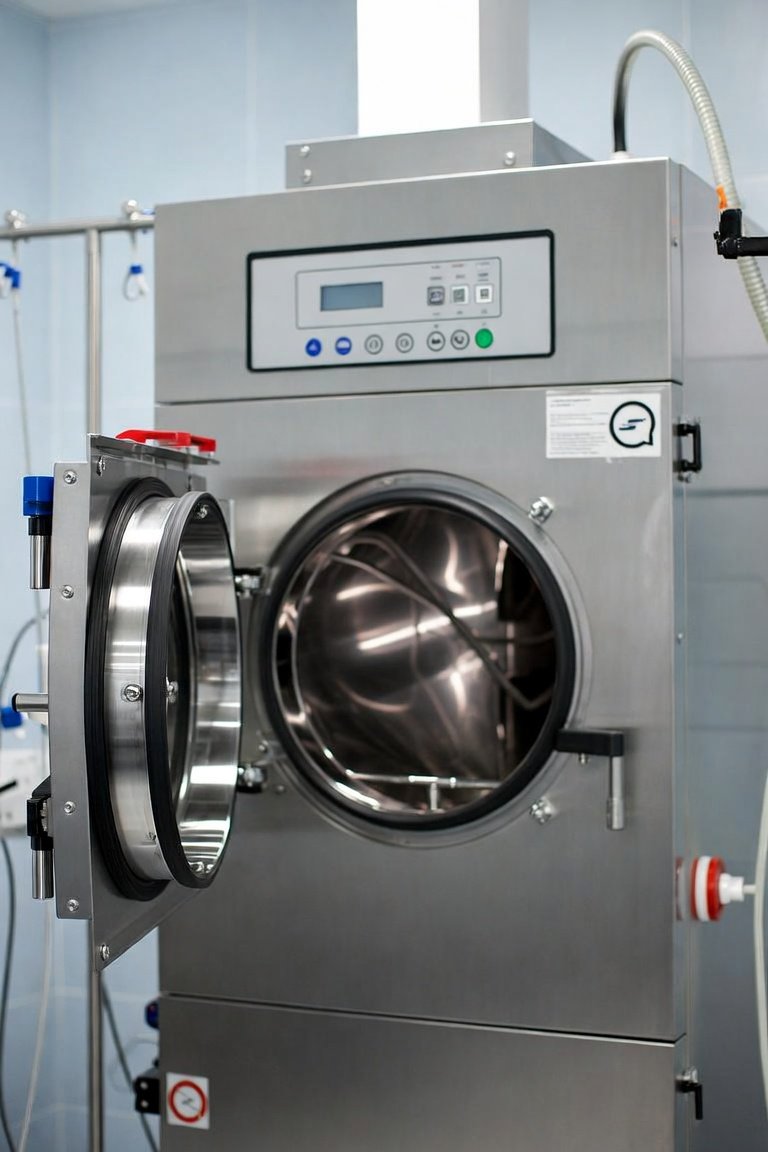
The first critical decision is the sterilization technology itself. For most general practices and outpatient clinics, the steam sterilizer, or autoclave, is the gold standard. Its effectiveness against bacteria, viruses, and spores is unmatched when you need rapid turnaround. Look for a class B autoclave if you are sterilizing wrapped instruments or porous loads, as it uses a vacuum pump to remove air and ensure steam penetration. For unwrapped, solid instruments, a class N (gravity displacement) unit is faster and more economical. However, if you handle delicate endoscopes or heat-sensitive electronics, you must consider low-temperature systems. Hydrogen peroxide gas plasma sterilizers are excellent for this, leaving no toxic residues and completing a cycle in under an hour. They are more expensive per cycle, but they save you from costly instrument damage.
Once you have settled on the technology, the next step is capacity and cycle speed. A solo practitioner might be fine with a compact 12-liter chamber, but a busy dermatology or dental clinic will need a 22 to 30-liter unit to avoid bottlenecks between patients. I always advise my clients to purchase a chamber that is one size larger than they think they need. Running an overstuffed autoclave is the most common cause of failed sterilization cycles, which wastes time and money. Also, check the cycle time for unwrapped instruments. Modern units can do a flash cycle in 6 to 8 minutes, which is a lifesaver when you drop a forceps. But remember, fast cycles are for emergencies, not routine practice.
Now, let us talk about the features that separate a good machine from a great one. First, demand a validated, closed-loop drying system. Many inexpensive autoclaves sterilize well but leave instruments wet, which compromises the sterile barrier. Second, consider the water quality. You must use distilled or demineralized water to prevent mineral scaling on your instruments and the heating element. Some high-end units have an integrated water quality sensor that alerts you when the supply is bad. Third, look for data connectivity. In today's audit-heavy environment, a machine that logs every cycle and can export a PDF report to your EMR is not a luxury; it is a necessity. This digital traceability protects you in the event of an infection control audit.
Finally, do not overlook the physical footprint and installation requirements. Steam sterilizers generate significant heat and moisture. You need adequate ventilation and a dedicated, grounded electrical circuit. I have seen too many clinics buy a large unit only to realize their countertop cannot support its weight or their breaker trips mid-cycle. Always check the manufacturer's specifications for clearance around the unit and confirm your facility's power supply can handle the peak load. A pre-installation site survey is worth the small cost to avoid a costly reinstallation later.
My closing recommendation is to treat this as a long-term investment. Look for a manufacturer with a local service network and a warranty of at least two years on the chamber. A slightly higher upfront cost for a reputable brand like Tuttnauer, Midmark, or MELAG will pay for itself in reliability and reduced downtime. Schedule a demo with your actual instrument sets, not just a standard tray, to see how the cycle handles your specific load. The right sterilizer is the quietest, most reliable employee you will ever hire. Choose it with the same care you would choose a surgical partner.
Clinic Equipment
Choosing the Right Sterilization Equipment for Your Medical Facility