After two decades in medical technology, I have seen countless clinics make the mistake of buying an ultrasound machine that looks good on paper but fails in daily practice. The right system is not about the fanciest features; it is about matching the machine to your clinical workflow, patient volume, and budget. Here is how to make a smart, lasting decision.
First, define your clinical needs precisely. General imaging, such as abdominal, renal, or obstetric exams, requires a mid-range system with good penetration and resolution. If you focus on vascular access, cardiac echo, or musculoskeletal work, you need dedicated probes and software. For point-of-care ultrasound (POCUS) in emergency or critical care, portability and quick boot-up matter more than high-end Doppler. Ask yourself: what is the single most common exam I perform? That answer drives every other choice.
Second, understand the three main categories. 1. High-end cart-based systems (e.g., GE Logiq, Philips EPIQ) offer superior image quality, advanced automation, and multiple probe ports. They cost between 60,000 and 150,000 USD and are ideal for hospitals or high-volume clinics. 2. Mid-range cart systems (e.g., Sonosite Edge, Fujifilm SonoSite) balance performance and cost, ranging from 25,000 to 60,000 USD. They are workhorses for general practice. 3. Handheld or laptop-sized units (e.g., Butterfly iQ, Vscan, Lumify) are affordable (3,000 to 15,000 USD) and portable, but sacrifice some resolution and probe options. They are excellent for POCUS, rural clinics, or as a secondary system.
Now, focus on the probe selection. A single linear probe is not enough. For abdominal and OB work, you need a curved array probe (2-5 MHz). For vascular and MSK, a linear array (5-12 MHz) is essential. For cardiac, a phased array (1-5 MHz) is required. Many clinics try to save money by buying one probe, then quickly discover they need two or three. A common mistake is buying a system that only accepts proprietary probes, locking you into expensive replacements. Look for systems with open probe compatibility or at least a clear upgrade path.
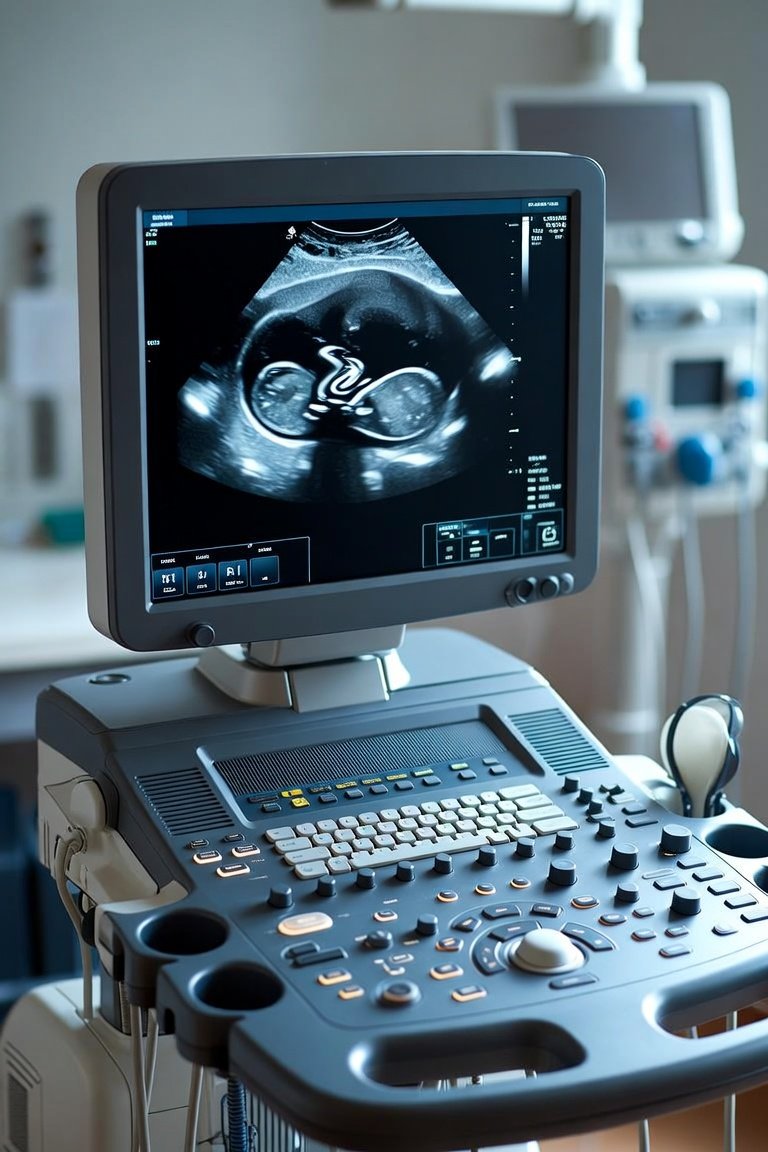
Image quality is subjective but measurable. Test the machine with your own patient or a phantom. Look for sharp borders, uniform brightness, and minimal noise. Pay attention to the Doppler sensitivity. A machine that struggles with low-flow vessels will frustrate you daily. Also, check the ergonomics. The keyboard should be intuitive, the monitor adjustable, and the probe cable long enough to reach the patient without pulling. A heavy machine with poor wheels will wear out your staff.
Finally, consider the total cost of ownership. The purchase price is only the beginning. Factor in annual service contracts (typically 8-12% of the purchase price), probe replacement (2,000-10,000 USD each), software upgrades, and training. Some manufacturers offer leasing or pay-per-use models, which can be ideal for new clinics. Always ask about warranty coverage for the probe, as it is the most vulnerable component.
My closing recommendation: do not buy the cheapest machine or the most expensive one. Buy the one that fits your clinical volume. If you do 10 scans a day, a mid-range cart with two probes is perfect. If you do 50 scans, invest in a high-end system with a service contract. And always, ALWAYS, test the machine in your own clinic with your own patients before signing. A demo in a showroom tells you nothing about real-world performance.
Clinic Equipment
Choosing the Right Ultrasound Machine for Your Clinic