Opening a new medical practice is both exciting and daunting. After two decades of helping clinics get started, I can tell you that the equipment you choose will either streamline your workflow or create daily headaches. The right tools do not need to be the most expensive, but they do need to be reliable, practical, and suited to your specific patient volume. Here are the ten essential tools I recommend for any new practice, based on real-world performance and cost-effectiveness.
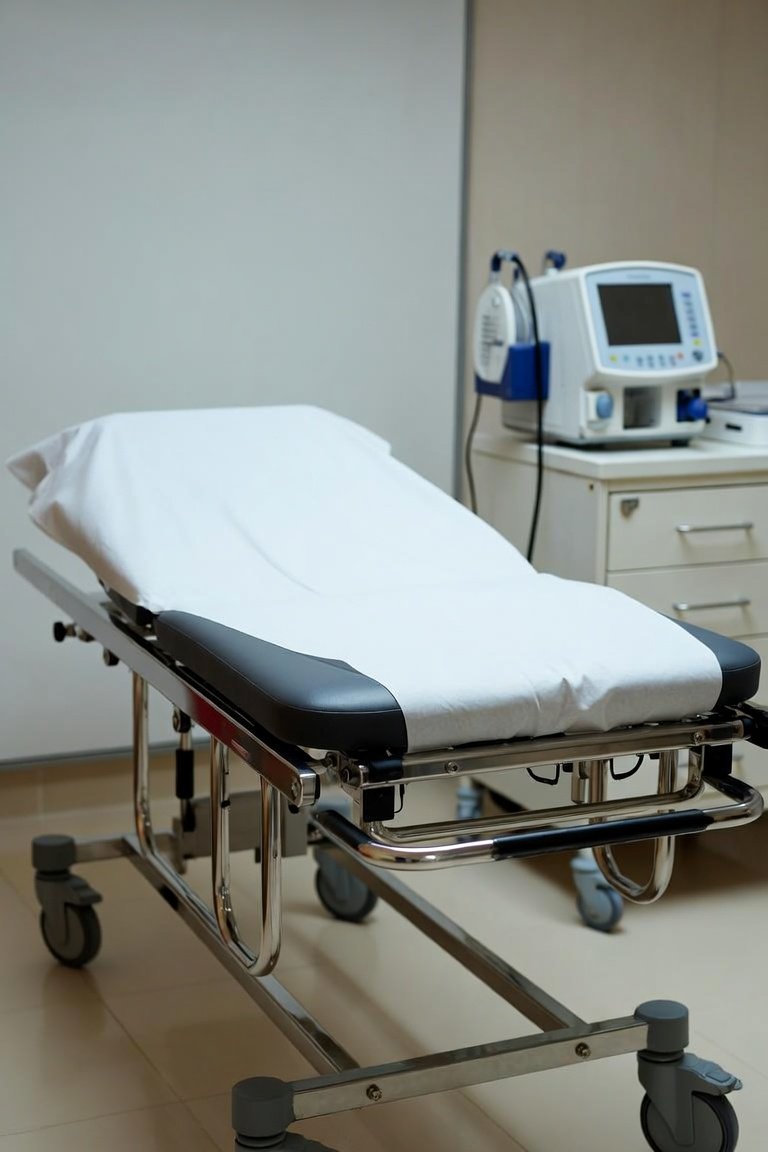
1. A digital examination table with integrated scales. This is your workhorse. Look for models with a weight capacity of at least 500 pounds, a motorized backrest, and a built-in digital scale that syncs with your electronic health records. Brands like Midmark and Ritter offer durable options with a five-year warranty. Avoid manual tables; they slow you down and strain your staff.
2. A vital signs monitor that does more than just blood pressure. Choose a model that measures oxygen saturation, pulse rate, and temperature simultaneously. The Welch Allyn Connex Spot Monitor is a reliable choice, but the Masimo Rad-67 offers better motion tolerance for pediatric patients. Ensure the device has Wi-Fi or Bluetooth for automatic data transfer.
3. An otoscope and ophthalmoscope set with LED illumination. The halogen bulbs of older models burn out quickly and produce poor light. The Welch Allyn PanOptic Plus ophthalmoscope provides a 5x wider view of the retina, which is critical for detecting diabetic retinopathy. For otoscopes, the Heine Mini 3000 offers superior optics at a lower price point.
4. A centrifuge for point-of-care testing. You will need this for spun hematocrit, urine sediment, and basic chemistry. The LW Scientific Z 100 is a compact, quiet model that spins at 10,000 RPM. Do not buy a used centrifuge; balance issues can cause catastrophic failure.
5. An autoclave for sterilization. For a new practice, a tabletop steam sterilizer like the Tuttnauer 1730 is ideal. It cycles in under 30 minutes and accommodates most instrument trays. Avoid flash sterilizers unless you perform same-day surgical procedures.
6. A defibrillator with AED capability. The Zoll AED Plus is user-friendly and provides real-time feedback on CPR depth. Even if you never use it, having one on-site is a legal requirement in many states and a standard of care.
7. An ECG machine with interpretation software. The Mortara ELI 280 is my top pick for new practices because it provides automatic interpretation and stores up to 300 patient records. The GE MAC 5500 is a solid alternative if you need more advanced arrhythmia detection.
8. A medication dispensing cabinet. The Omnicell G4 is a secure, automated system that tracks every pill and syringe. It reduces theft risk and streamlines inventory. For smaller budgets, the Med-Dispense MDS-100 offers similar functionality at half the cost.
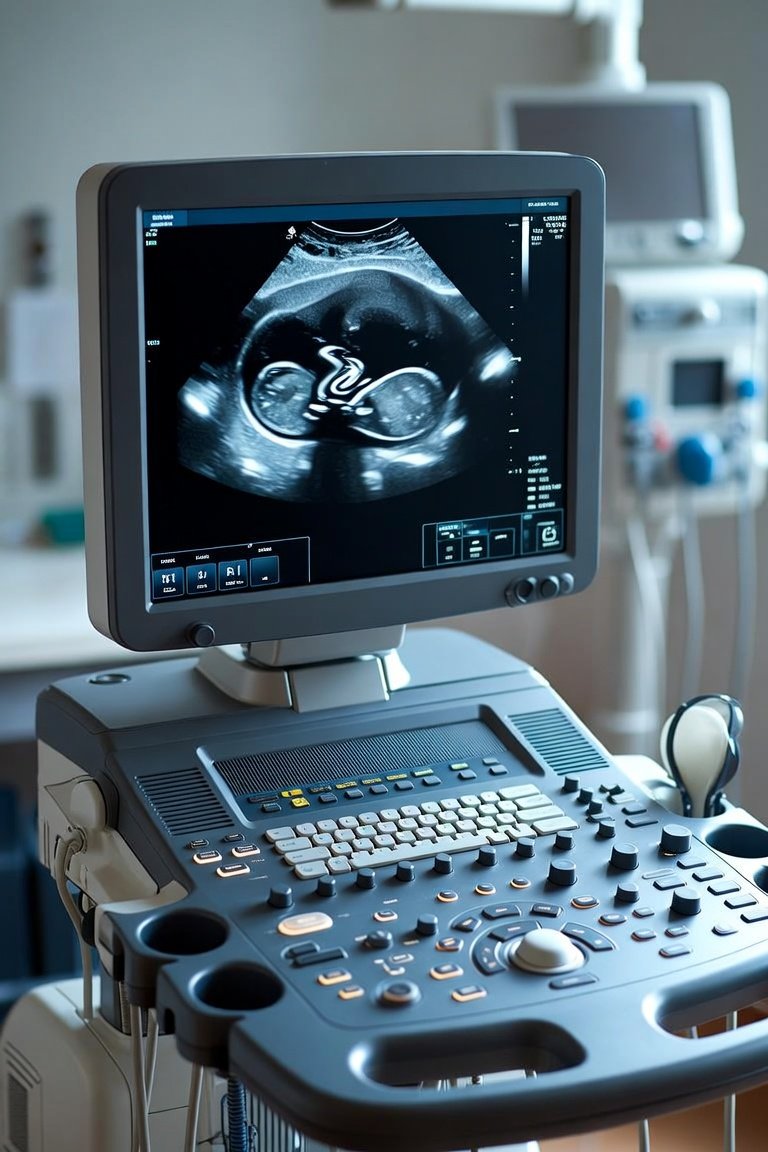
9. A portable ultrasound machine. The Butterfly iQ+ is a handheld device that connects to a tablet. It is affordable, versatile, and ideal for guiding injections, assessing bladder volume, or performing FAST exams. The image quality is not as good as a cart-based system, but for a new practice, the portability and price are unbeatable.
10. A patient engagement kiosk for check-in. The Phreesia Pad allows patients to complete forms, update insurance, and pay copays without staff intervention. It reduces wait times and administrative workload by up to 40 percent.
When comparing options, prioritize devices that integrate with your EHR. A monitor that does not sync forces manual data entry, which wastes time and introduces errors. Also, consider total cost of ownership, not just purchase price. A cheaper autoclave that requires frequent repairs will cost you more in the long run.
What to look for in every device: reliability, service availability, and ease of use. A machine that is complex to operate will frustrate your staff and slow down patient flow. Buy from a distributor that offers in-person training and a 24-hour service line.
My closing recommendation is simple: start with the tools that directly impact patient safety and efficiency. You can always add specialized equipment later. Invest in a good examination table, a reliable vital signs monitor, and a solid sterilization system. Those three items form the foundation of every successful practice.
Clinic Equipment
Equipping Your First Practice: 10 Tools for Success