Opening a new medical practice is a balancing act between clinical readiness and financial reality. You want to provide excellent care without sinking your entire startup budget into gadgets that gather dust. After two decades of helping clinics open their doors, I can tell you that the right equipment is not about having the most expensive items, but about having the most reliable, workflow-friendly ones. Here are the ten essential tools I recommend to every new practice, based on what actually gets used daily, not what looks impressive in a vendor catalog.
1. A High-Resolution Diagnostic Otoscope and Ophthalmoscope Set. Do not buy the cheap plastic sets. Invest in a single quality handle with rechargeable batteries and interchangeable heads, preferably from Welch Allyn or Riester. The halogen or LED illumination is non-negotiable for accurate visualization. Look for a pneumatic port on the otoscope for tympanometry testing. This set will be your workhorse for years.
2. An Automated Blood Pressure Monitor with Adult and Pediatric Cuffs. Manual cuffs are fine, but automated units reduce nurse time and documentation errors. Choose a model with a memory function and irregular heartbeat detection. Make sure it has a wide cuff range, from pediatric to large adult. The Omron Intellisense series is a solid, affordable choice, but if you see a high volume of patients, consider a wall-mounted unit from Hill-Rom for durability.
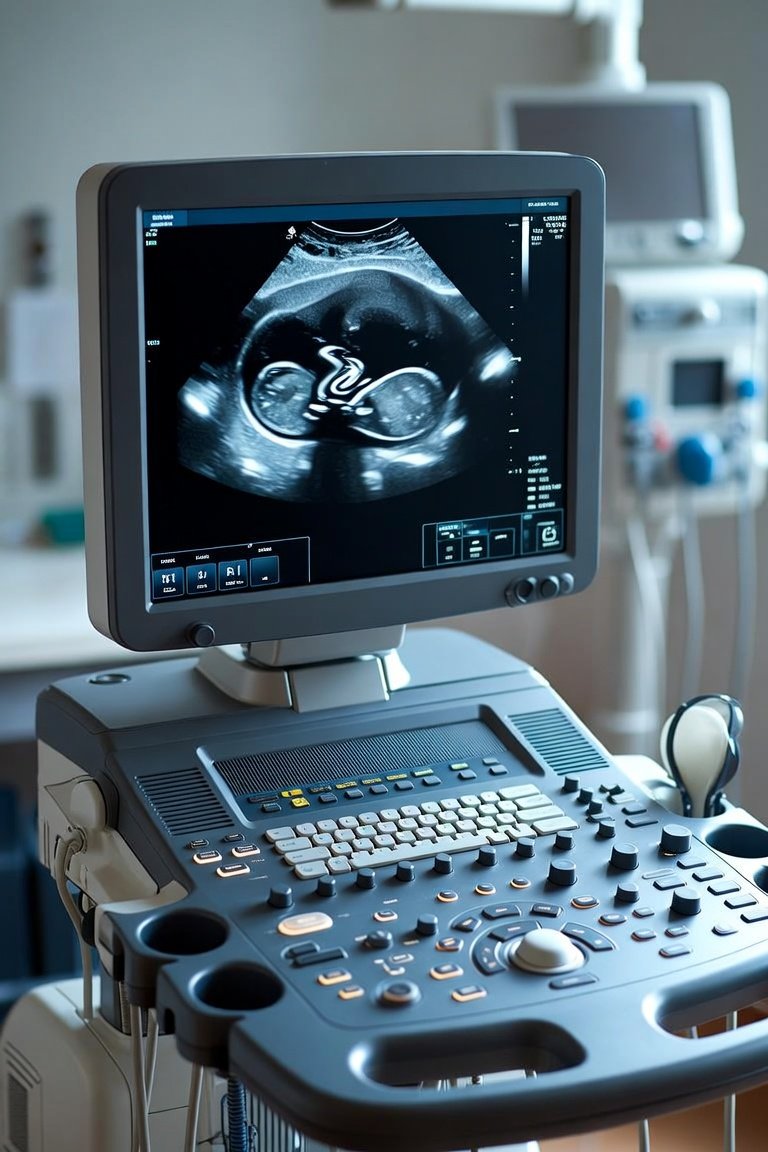
3. A Portable Ultrasound with a Linear and Convex Probe. This is no longer a luxury. A basic point-of-care ultrasound, like the Butterfly iQ or a used GE Logiq, is essential for guiding injections, confirming IV placement, and quick bladder scans. If your budget is extremely tight, start with a single convex probe and add a linear probe later. The learning curve is short, and it immediately elevates your diagnostic capability.
4. An EKG Machine with Interpretation Software. You need a 12-lead unit that prints clearly and stores digital records. The key feature to compare is the interpretation algorithm. Mortara and GE algorithms are more accurate than generic ones, which matters for billing and clinical confidence. Look for a device with a color touchscreen and the ability to connect to your EMR via Wi-Fi or Bluetooth. A used unit from a reputable refurbisher is a smart move here.
5. A Centrifuge and a Small Chemistry Analyzer. Even if you send most labs out, you need to spin down urine samples and run basic glucose, hemoglobin, and uric acid tests in-house. A compact, fixed-speed centrifuge with a 12-tube capacity is sufficient. For the analyzer, the Piccolo Xpress or a similar dry-chemistry unit is ideal because it requires no water hookup and uses single-use discs.
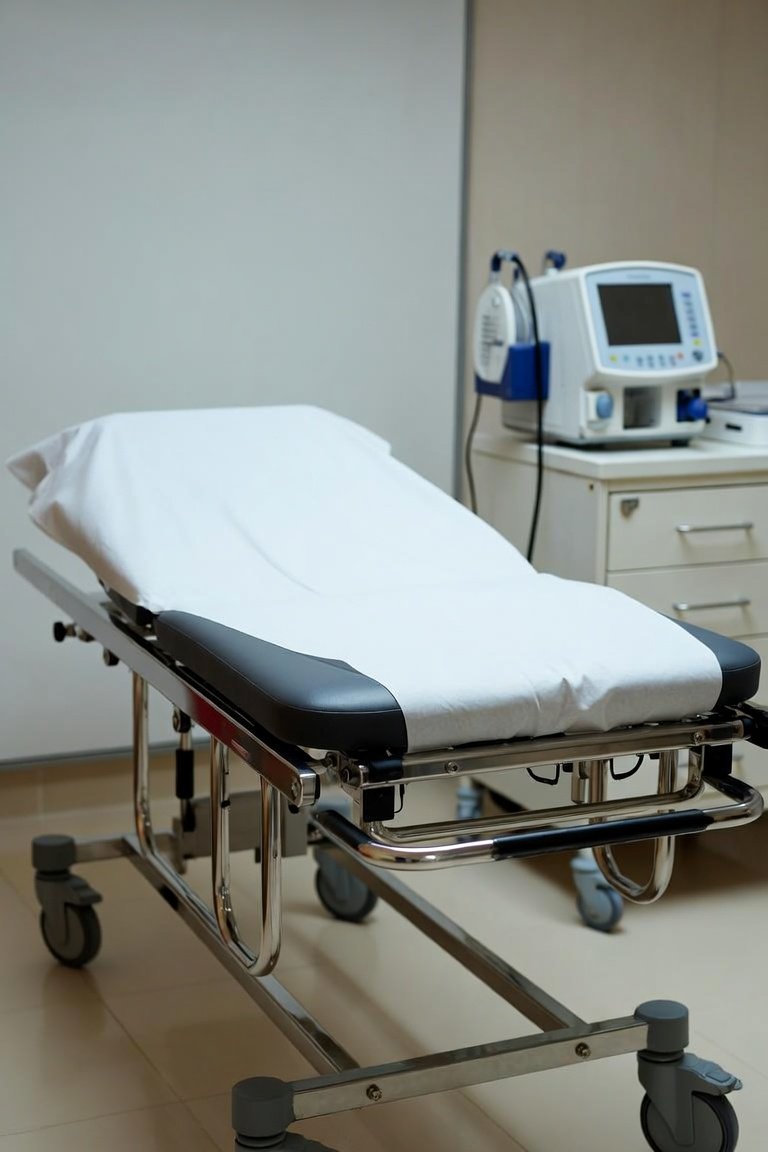
6. An Examination Table with Electric Height Adjustment. Do not compromise on this. Manual tables are a liability for staff backs and patient comfort. Electric adjustment, preferably with a foot pedal control, allows you to position patients with arthritis or mobility issues safely. Look for a table with a weight capacity of at least 500 pounds and a durable, seamless upholstery that is easy to wipe down.
7. A Minor Surgery Tray and Electrocautery Unit. For skin biopsies, laceration repairs, and cyst removals, you need a dedicated sterile instrument set. Buy a basic tray with needle holders, forceps, and scissors. Add a battery-powered, portable cautery pen for hemostasis. This is far more cost-effective than using disposable cautery units every time, and it speeds up procedures considerably.
8. A Pulse Oximeter with a Plethysmograph Waveform. A simple fingertip model is not enough for a clinical setting. You need a handheld unit that shows the waveform, so you can verify that the reading is accurate and not just a weak signal. The Masimo Radius or Nellcor brands are the gold standard, but a mid-range model from Nonin is also excellent. This is critical for any patient on oxygen or with respiratory complaints.
9. A Digital Scale with a Stadiometer. It sounds basic, but many new practices buy a cheap bathroom scale. You need a medical-grade scale with a separate, wall-mounted stadiometer for accurate height measurement. Look for a model that calculates BMI automatically and has a large, easy-to-read display. The weight capacity should be at least 440 pounds to accommodate all body types.
10. A Secure Medication Storage Cabinet. This is not a clinical tool but a regulatory necessity. You need a lockable cabinet or drawer that meets DEA requirements for controlled substances. Choose one with a keypad lock and an audit trail feature. A simple, wall-mounted unit from companies like Health Care Logistics is sufficient. Do not overlook this; it is your first line of defense in a compliance audit.
When you compare options, prioritize service and warranty over the latest features. A used table with a new motor is better than a new table with a poor motor. Always ask for a demo before purchasing, and check that replacement parts are readily available. The goal is to create a seamless workflow where the equipment does not slow you down.
In summary, focus on durability, accuracy, and connectivity. Avoid the temptation to buy every new device on the market. Start with these ten tools, and you will have a functional, efficient practice that can grow with you. Remember, the best equipment is the one that is still working reliably five years from now.
Clinic Equipment
Equipping Your First Practice: Ten Tools That Pay for Themselves