Starting a dental practice is a significant investment, and the equipment you choose will define your clinical capabilities and patient experience for years to come. After two decades of working with dental professionals, I have seen how the right tools can make the difference between a smooth-running practice and one plagued with downtime. This is not about buying the most expensive items; it is about selecting reliable, practical equipment that meets your specific needs.
The core of any dental operatory is the delivery system. This includes the dental chair, unit, and light. For a new practice, I strongly recommend a fully integrated system from a single manufacturer. This simplifies installation and service. Look for a chair with a thin, contoured back that allows you to sit comfortably while working. The unit should have a reliable foot control that gives you precise control over the handpieces, water, and air. A good operating light is non-negotiable. Choose an LED light with adjustable intensity and a color temperature of around 5000 Kelvin. This mimics natural daylight and reduces eye strain during long procedures. Avoid halogen lights; they generate too much heat and have a shorter lifespan.
Next, consider your handpiece selection. You need a high-speed handpiece for cutting tooth structure and a low-speed handpiece with a contra-angle for polishing and finishing procedures. For the high-speed, look for models with ceramic bearings and a push-button chuck. These are quieter and more durable than older metal-bearing models. For the low-speed, a 1:1 straight nose cone is standard, but adding a 4:1 gear reduction contra-angle gives you more torque for slower, precise work. Do not forget the air-driven scaler. A good scaler with a titanium tip will handle most calculus removal without damaging enamel. For ultrasonic scaling, a magnetostrictive unit is more common in the US, while piezoelectric units are popular in Europe. Both work well, but piezoelectric units are quieter and generate less heat.
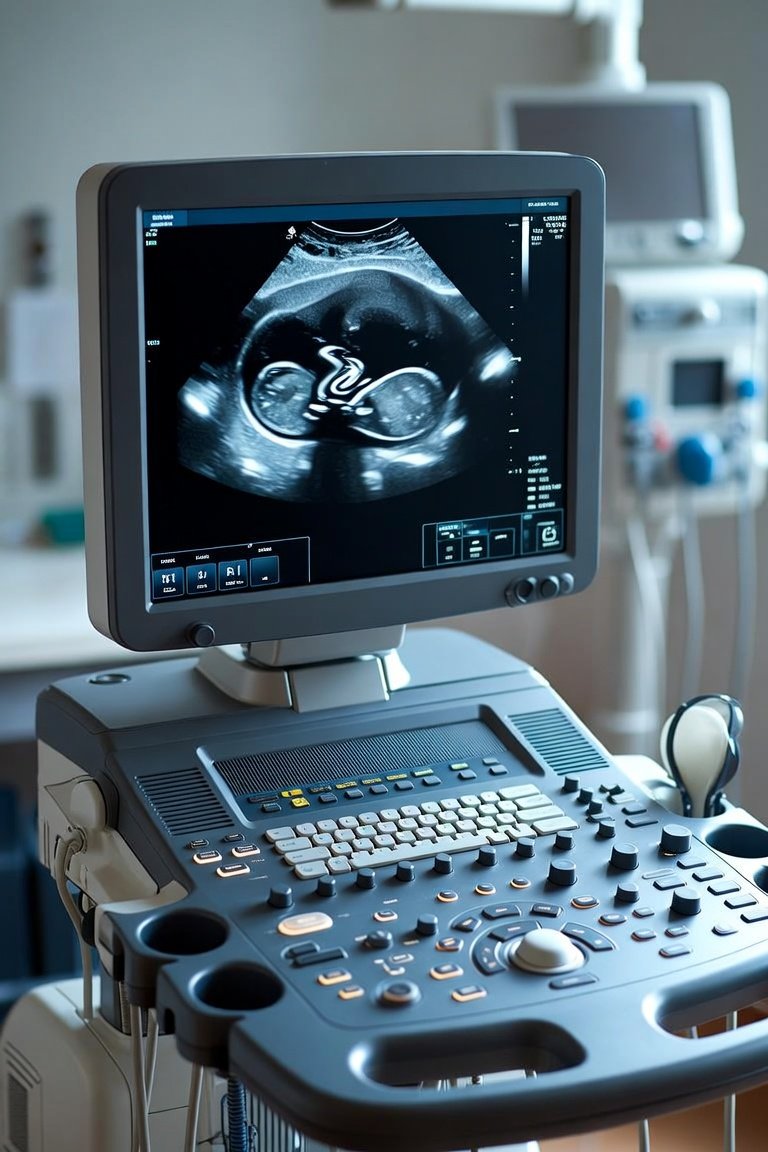
Radiography is another critical area. For a start-up, a digital intraoral sensor system is essential. It reduces radiation exposure by up to 80% compared to film and provides instant images. The sensor must be comfortable for the patient and durable enough to withstand daily use. Look for a sensor with a high-resolution CMOS chip and a scratch-resistant coating. You will also need a panoramic X-ray unit. A 2D panoramic machine is sufficient for most general practices, but if you plan to place implants, consider a 3D CBCT unit. The additional cost is significant, but the diagnostic value for implant planning, root canals, and surgical assessments is unmatched.
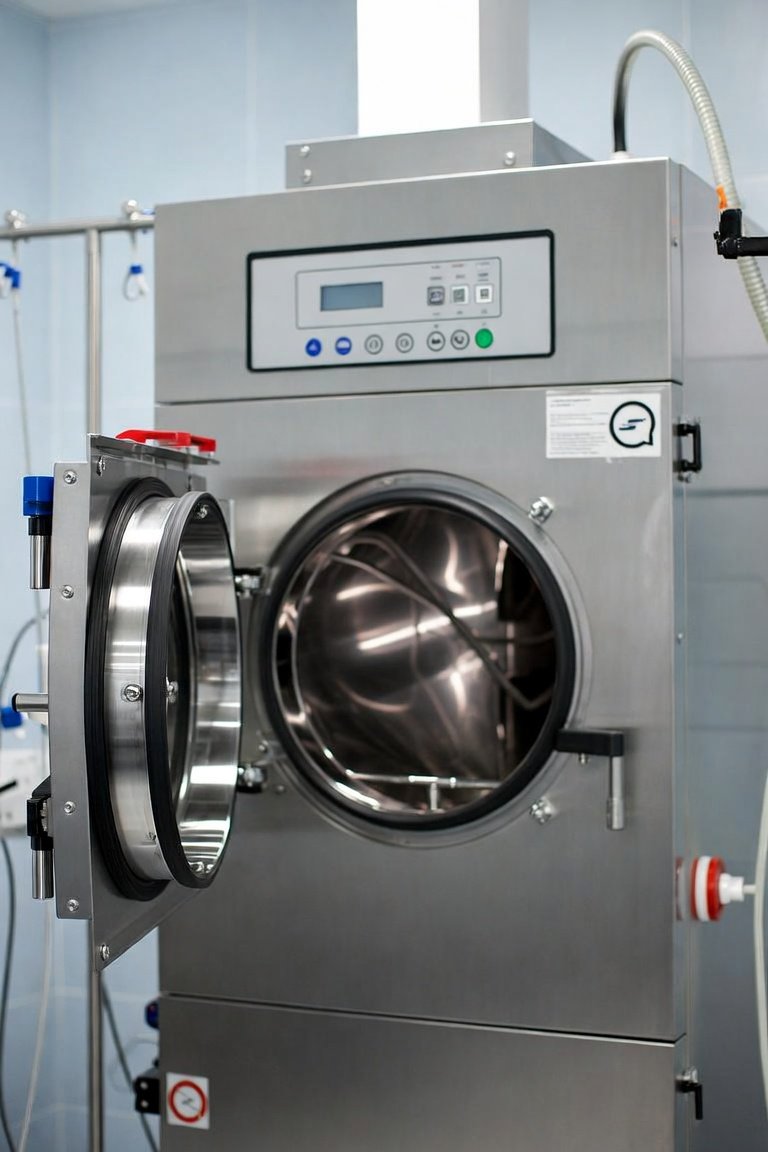
When it comes to sterilization, do not cut corners. A class B autoclave is the gold standard. It uses a vacuum cycle to remove air from the chamber, ensuring steam penetrates wrapped instruments. This is essential for sterilizing handpieces and complex instruments. A reliable ultrasonic cleaner is also necessary for pre-cleaning. Look for a unit with a digital timer and a degas cycle. Finally, invest in a good curing light. A cordless LED light with a high output (over 1000 mW/cm2) will cure composite resins quickly and uniformly. Avoid lights that require a separate battery charger; integrated lithium-ion batteries are more convenient.
In summary, the essentials for a new dental practice are a quality delivery system, reliable handpieces, digital radiography, a class B autoclave, and a good curing light. Focus on equipment that is easy to maintain and service. Avoid the temptation to buy the cheapest option; it will cost you more in repairs and lost productivity. Start with a solid foundation, and you can always upgrade as your practice grows. If you are unsure about a specific model, contact a local distributor for a demo. Seeing the equipment in person is worth more than any spec sheet.
Clinic Equipment
Essential Dental Equipment: What You Need to Start