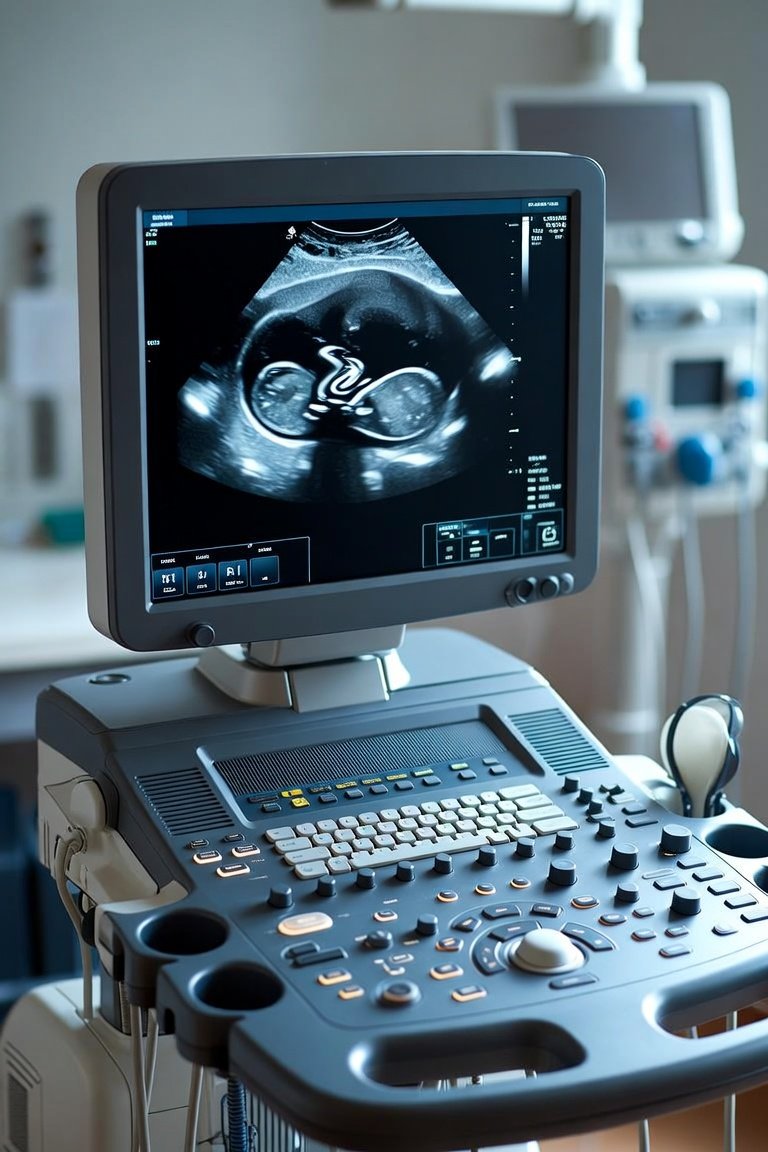
Starting a dental practice is a significant investment, and the equipment you choose will define your clinical capabilities and patient experience for years to come. After two decades in medical technology, I have seen countless practices succeed or struggle based on their initial equipment choices. The key is not to buy everything at once, but to prioritize the tools that directly impact diagnosis, treatment, and patient comfort.
Your equipment list must begin with the clinical core. First, a treatment unit is your command center. Look for a model with a programmable chair, integrated delivery system, and a comfortable patient seat. A reliable dental chair with smooth articulation and easy-to-clean upholstery is non-negotiable. Second, a high-quality intraoral camera is essential for patient education. It allows you to show patients exactly what you see, building trust and case acceptance. Third, a digital radiography system, including a sensor or phosphor plate scanner, is now the standard. It reduces radiation exposure by up to 80% compared to film and provides instant images for faster diagnosis.
When comparing equipment options, you will face a choice between new and refurbished, and between integrated and modular systems. For a starter clinic, I recommend purchasing a new, mid-range treatment unit from a reputable manufacturer like A-dec, Sirona, or Belmont. These units offer the best balance of reliability, serviceability, and resale value. Avoid the cheapest models; they often have poor ergonomics and costly repairs. For digital X-ray, consider a wired sensor for reliability or a wireless phosphor plate system for flexibility. Wired sensors are faster but require careful cable management. Phosphor plates are more forgiving but require a separate scanner step. For handpieces, start with two high-speed and one low-speed. Brands like KaVo, NSK, or W&H are industry standards. Do not skimp on handpiece maintenance; invest in a good lubrication system from day one.
What you should look for in each piece of equipment is threefold: serviceability, infection control, and upgradeability. Ensure the treatment unit has easily accessible service panels and that the manufacturer has a local distributor for parts. Check that all surfaces are smooth and non-porous for easy disinfection. For sterilization, a Class B autoclave is mandatory. It processes wrapped instruments and handpieces safely. Buy one from a company like Tuttnauer or Midmark that offers a warranty and local service. Finally, consider your digital workflow. Many modern units can integrate with practice management software. A simple, reliable intraoral scanner for digital impressions is a worthwhile investment for the future, even if you only use it for basic cases initially.
In closing, your starter dental equipment list should be lean but high-quality. Focus on the treatment unit, digital X-ray, intraoral camera, handpieces, and a Class B autoclave. Buy once, cry once. Avoid the temptation to fill your operatory with gadgets you will not use. Instead, invest in equipment that enhances your clinical skills and patient communication. A well-chosen, well-maintained setup will serve you for a decade or more. Start with the essentials, master them, and your practice will grow naturally.
Clinic Equipment
Essential Dental Equipment: Your Starter Clinic Checklist