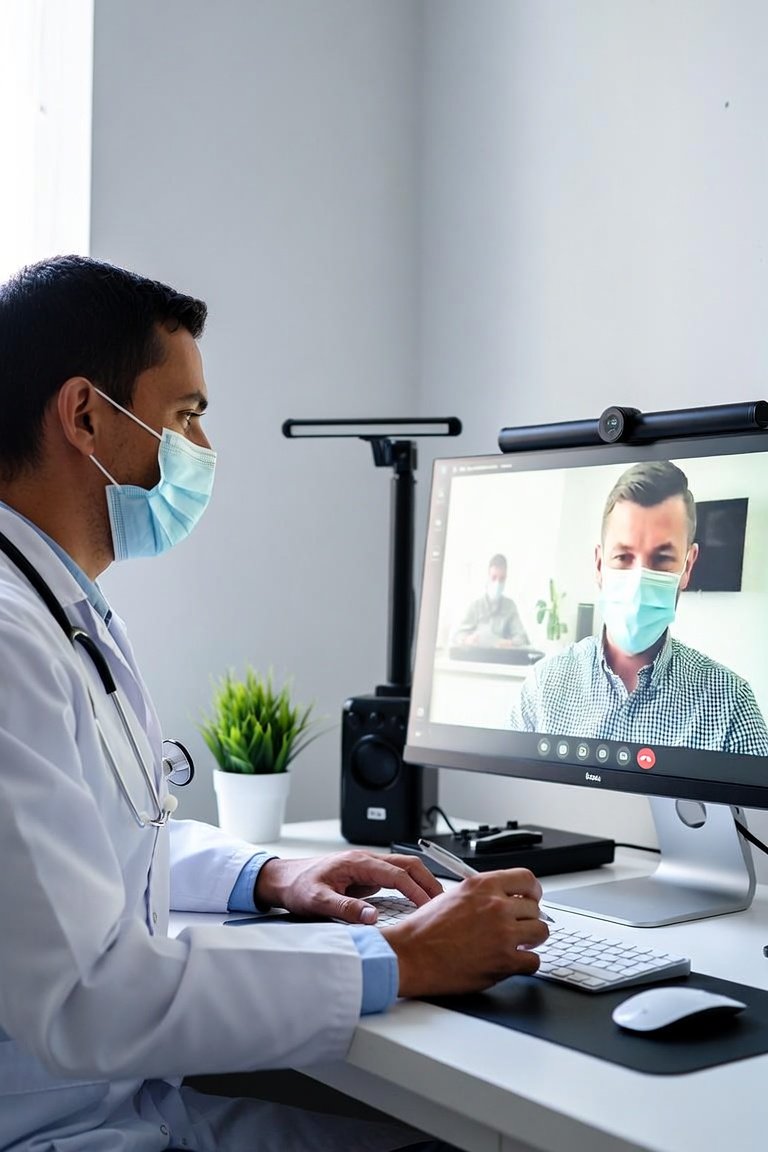
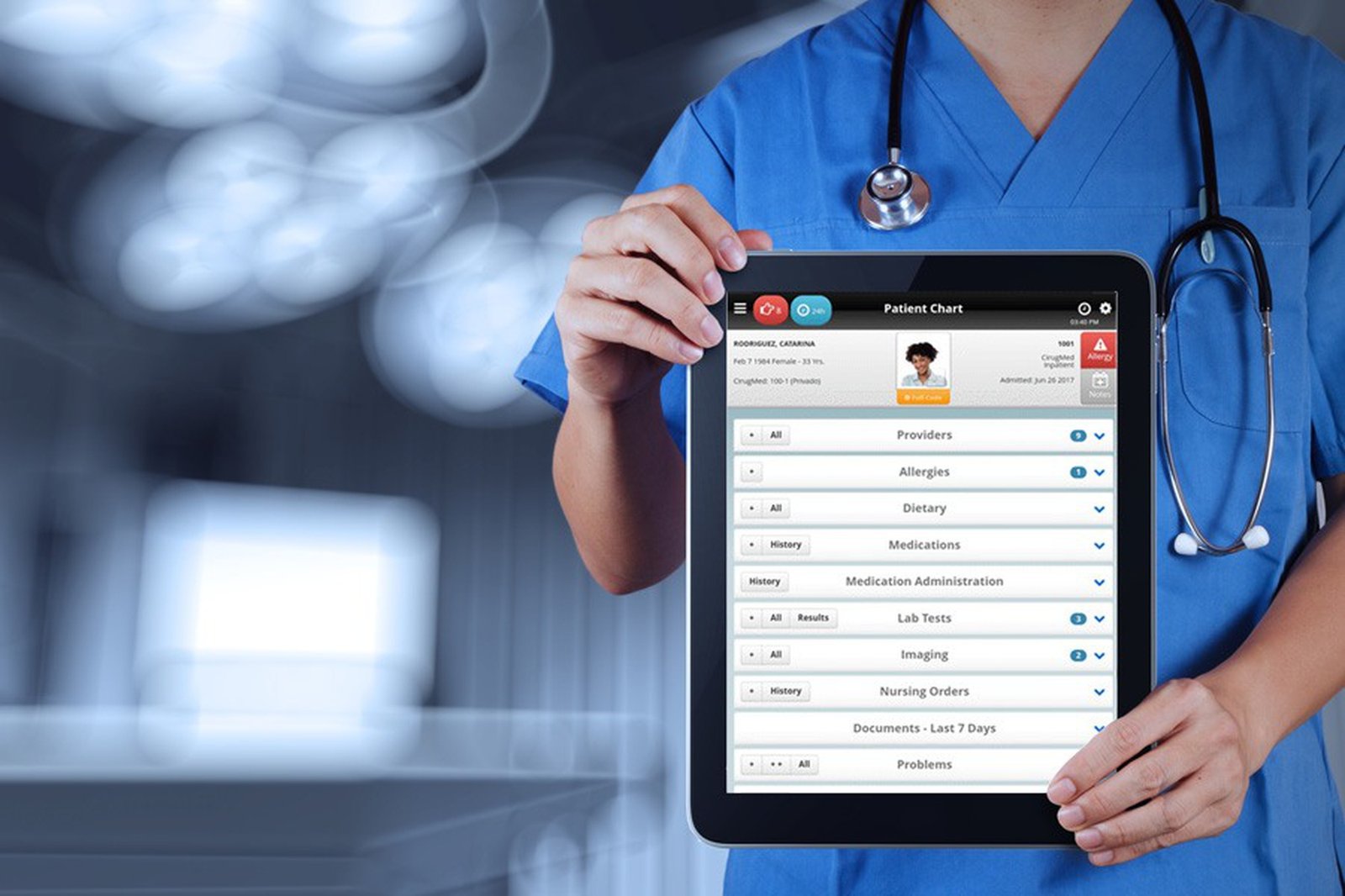
I have spent two decades in medicine, and I can tell you without hesitation that the most exciting change I have witnessed is not a new drug or a surgical robot. It is the quiet, powerful rise of artificial intelligence in diagnosis. We are not talking about machines replacing doctors. We are talking about tools that help us see what the human eye might miss, process data faster, and catch diseases earlier. For patients, this means better outcomes and more personalized care.
Let me give you three key ways AI is already changing medicine, and what you should know about each.
First, AI excels at pattern recognition in imaging. When you get a mammogram, a CT scan, or an MRI, the images are now often reviewed by an AI algorithm before your radiologist even looks at them. Studies show that AI can detect tiny nodules in lung scans or subtle calcifications in breast tissue that are easy to overlook. In some hospitals, AI has reduced false positives by up to 30 percent. What this means for you is that your scan is being double-checked by a tireless, non-tired machine that never blinks. Second, AI is improving how we interpret lab results and genetic data. Instead of looking at one cholesterol number in isolation, AI can combine that with your age, family history, lifestyle, and hundreds of other data points to predict your risk of heart attack or diabetes years before symptoms appear. This is proactive medicine, not reactive. Third, AI is helping with rare diseases. Because these conditions are uncommon, even experienced doctors might not recognize them quickly. AI systems trained on millions of medical records can flag a pattern that suggests a rare genetic disorder, prompting the right test sooner.
Now, what practical steps can you take as a patient? First, when your doctor orders a scan, ask if AI is used in the reading. Many hospitals now use it routinely, but not all. If you are getting a mammogram or lung screening, you want a facility that employs AI-assisted reading. Second, if you have a family history of a condition like breast cancer or heart disease, ask your doctor about AI-based risk assessment tools. These are not standard everywhere yet, but they are becoming more available. Third, keep your own digital health records organized. AI works best when it has complete data. If you have old lab results, imaging reports, or medication lists, make sure your doctor has them in your electronic file. The more information AI has, the better it can help.
What should you remember? AI is a tool, not a decision-maker. The final diagnosis and treatment plan always come from your doctor. But think of AI as a super-powered assistant that can process millions of medical articles in seconds or spot a shadow on an X-ray that is one millimeter wide. It does not get tired, it does not get distracted, and it does not have biases based on a bad day. That is a huge advantage for your care.
I want to leave you with this thought. Medicine has always been an art and a science. AI is making the science part faster and more precise, which frees doctors to focus on the art: listening to you, understanding your concerns, and building trust. The future of diagnosis is not a computer alone in a room. It is a doctor with a powerful partner at their side. And that partner is working for you.
Clinic Management
How Artificial Intelligence Is Becoming Your Doctor's New Partner