Selecting an ultrasound machine for your clinic is one of the most significant capital investments you will make. After two decades in medical technology, I have seen practices thrive or struggle based on this single decision. The key is not to buy the most expensive system, but the one that fits your clinical workflow, patient volume, and financial reality. Let me guide you through the practical considerations that will save you time, money, and frustration.
The first step is to define your clinical needs. Ultrasound technology is not one-size-fits-all. For a general practice or urgent care, a compact, cart-based system with a curved array probe for abdominal exams and a linear probe for vascular access or soft tissue work is ideal. If you specialize in obstetrics, you need high-resolution imaging for fetal anatomy and Doppler capabilities for blood flow assessment. For musculoskeletal or sports medicine, a high-frequency linear probe with superb superficial resolution is non-negotiable. I always tell colleagues: list the top five exams you perform daily, then match the machine to those procedures. Avoid paying for features like 3D/4D imaging if you rarely need them.
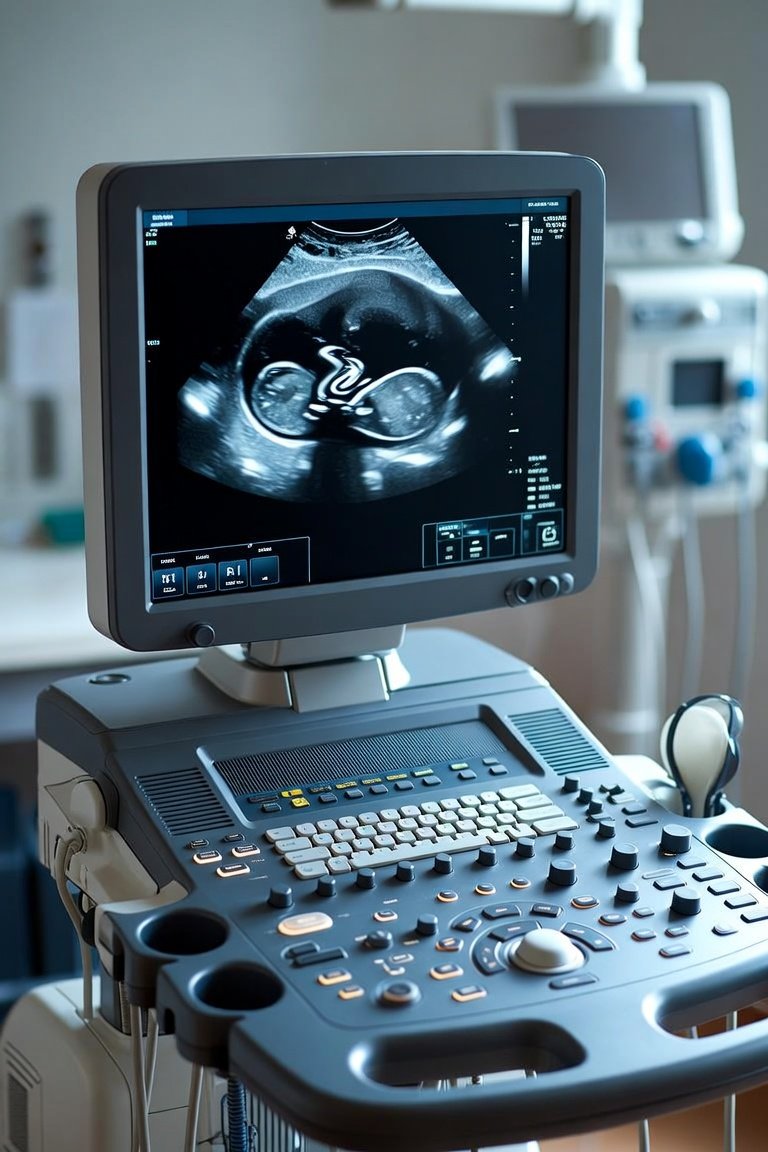
Now, let us compare the main categories: cart-based systems versus portable handheld units. Cart-based machines offer superior image quality, larger screens, and more probe ports. They are workhorses for high-volume clinics. Expect to invest between $30,000 and $120,000 for a quality system from established manufacturers like GE, Philips, or Samsung. Portable or laptop-style units cost $15,000 to $60,000 and are excellent for multiple exam rooms or mobile services. Handheld devices, such as the Butterfly iQ or GE Vscan, are now viable for quick assessments and point-of-care use, but their image quality and depth penetration still lag behind cart-based systems. My rule of thumb: if you perform more than 15 exams per day, get a cart-based system. For occasional use or bedside consults, a handheld is sufficient.
What should you look for beyond image quality? First, probe compatibility. Ensure the machine supports the probes you need now and in the future. Second, software packages. Many systems offer advanced features like elastography, contrast-enhanced ultrasound, or automated measurements. Only pay for what your practice will actually use. Third, connectivity. Your ultrasound must integrate with your electronic health record (EHR) and picture archiving system (PACS). DICOM compliance is non-negotiable. Fourth, service and support. A machine is only as good as its uptime. Negotiate a service contract that includes on-site repair within 48 hours and a loaner unit if needed. Finally, consider the learning curve. A complex interface will slow down your staff. Look for intuitive touchscreens and customizable presets.
In summary, the right ultrasound machine balances image quality, probe versatility, and cost. I recommend you demo two to three systems in your own clinic with your own patients. Listen to your sonographer or clinician feedback. Check the warranty, the availability of training, and the reputation of the local service provider. Do not be swayed by flashy marketing; focus on the machine that makes your daily work easier and more accurate.
My closing advice: buy a machine that is one generation behind the newest model. You will get proven technology at a significant discount, and the clinical difference is negligible. Your patients will receive excellent care, and your bottom line will thank you.
Clinic Equipment
How to Choose the Right Ultrasound Machine for Your Clinic