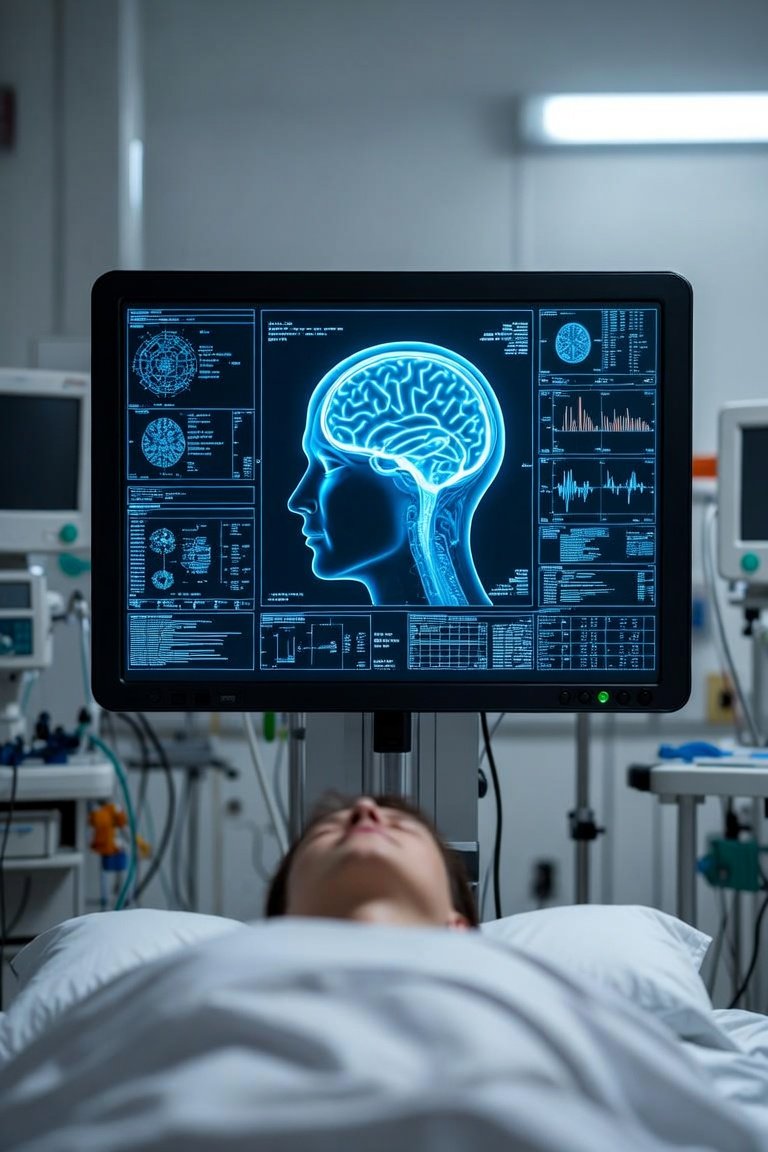
When I started in medical technology two decades ago, the idea of a computer helping to diagnose disease felt like science fiction. Today, machine learning algorithms are integrated into everything from CT scanners to handheld ultrasound devices. For clinic managers, understanding how to leverage this technology is no longer optional—it is essential for staying competitive and improving patient outcomes. Let me walk you through what works, what to watch for, and how to make smart purchasing decisions.
Key Features and Benefits of Machine Learning in Diagnosis
Machine learning (ML) in medical diagnosis offers three concrete advantages that directly impact your clinic’s workflow.
First, speed. Algorithms can analyze medical images, lab results, or patient histories in seconds. For example, a chest X-ray reviewed by an ML system can flag potential pneumonia or lung nodules within 30 seconds, while a radiologist might take 10 minutes. This is not about replacing clinicians—it is about prioritizing urgent cases.
Second, consistency. Human error is inevitable, especially with fatigue. ML systems do not get tired. They apply the same criteria to every scan or data set. In dermatology, for instance, AI-based dermoscopy tools have shown sensitivity rates above 95 percent for melanoma detection, matching or exceeding expert dermatologists.
Third, pattern recognition. ML can identify subtle correlations that humans might miss. In electrocardiography, algorithms can detect atrial fibrillation from a 30-second rhythm strip with higher accuracy than a general practitioner. This is especially valuable in primary care settings where specialist access is limited.
Comparing Machine Learning Options for Your Clinic
The market offers three main categories of ML diagnostic tools. Understanding their differences will save you money and frustration.
Category 1: Integrated systems. These are built into major imaging platforms like GE, Siemens, or Philips. They come pre-loaded with FDA-cleared algorithms for specific tasks, such as detecting breast lesions on mammograms or quantifying coronary calcium on CT scans. The advantage is seamless integration—no additional hardware or software training. The downside is cost; you must purchase the entire system, which can exceed 500,000 dollars for a high-end CT scanner.
Category 2: Standalone software. These are third-party applications that run on existing hardware. Examples include Aidoc for radiology or IDx-DR for diabetic retinopathy screening. They often require a subscription fee, typically 10,000 to 50,000 dollars per year per clinic. The benefit is flexibility; you can add ML capabilities to older equipment. The risk is compatibility—always verify that the software works with your specific device model and operating system.
Category 3: Cloud-based services. These are the most affordable, often charging per analysis (e.g., 10 to 50 dollars per study). They require a stable internet connection and HIPAA-compliant data transmission. Services like Zebra Medical Vision offer cloud-based analysis for CT, MRI, and X-ray. The trade-off is data security and latency; if your internet goes down, so does your diagnostic support.
What to Look for When Selecting an ML Diagnostic Tool
Before signing any contract, verify three things: regulatory clearance, clinical validation, and workflow fit.
Regulatory clearance is non-negotiable. In the United States, look for FDA 510(k) clearance or De Novo classification. In Europe, CE marking under the Medical Device Regulation is required. Do not accept vague claims like "AI-powered" without documentation.
Clinical validation matters more than marketing. Ask for peer-reviewed studies showing sensitivity and specificity in a patient population similar to yours. A tool that works well in a university hospital may fail in a community clinic with different demographics.
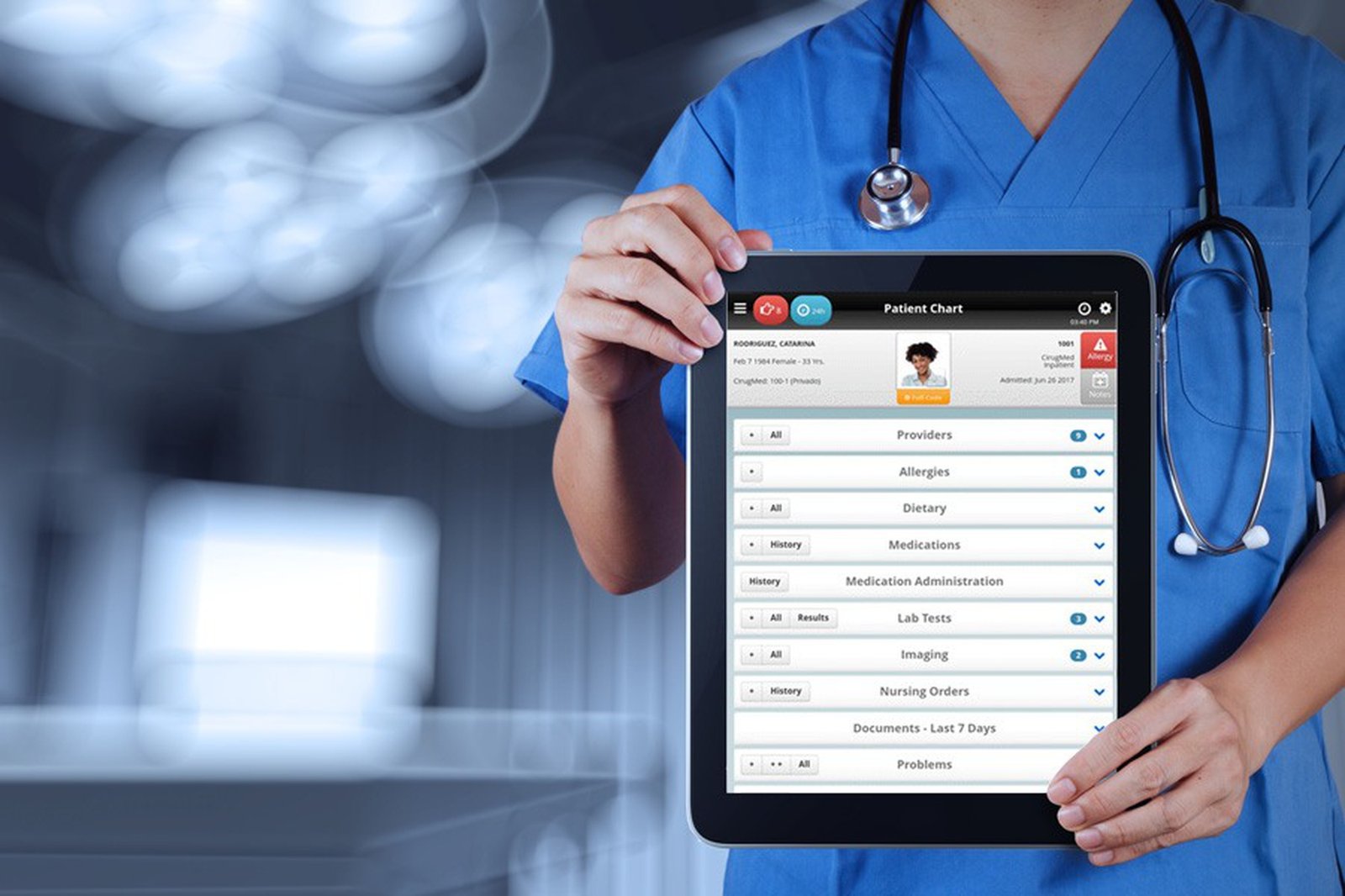
Workflow integration is often overlooked. Does the ML tool output results directly into your electronic health record? Or does it require manual data entry? The best tools reduce clicks, not add them. For example, an ML system for retinal screening should automatically import images from your fundus camera and export a structured report into the patient chart.
Finally, train your staff. Even the best algorithm is useless if no one trusts it. Schedule a half-day workshop with the vendor to walk through real cases. Encourage your clinicians to compare ML findings with their own assessments. Over time, they will learn when to rely on the algorithm and when to override it.
My closing recommendation: start small. Pick one diagnostic area where your clinic sees high volume and low specialist availability. For many primary care clinics, diabetic retinopathy screening or chest X-ray interpretation are excellent starting points. Deploy a standalone software solution for six months, measure its impact on turnaround time and diagnostic accuracy, then expand. Machine learning is a powerful tool, but it must be implemented with the same rigor you apply to any new medical device. Your patients deserve nothing less.
Clinic Management
Machine Learning in Medical Diagnosis: A Practical Guide for Clinic Managers