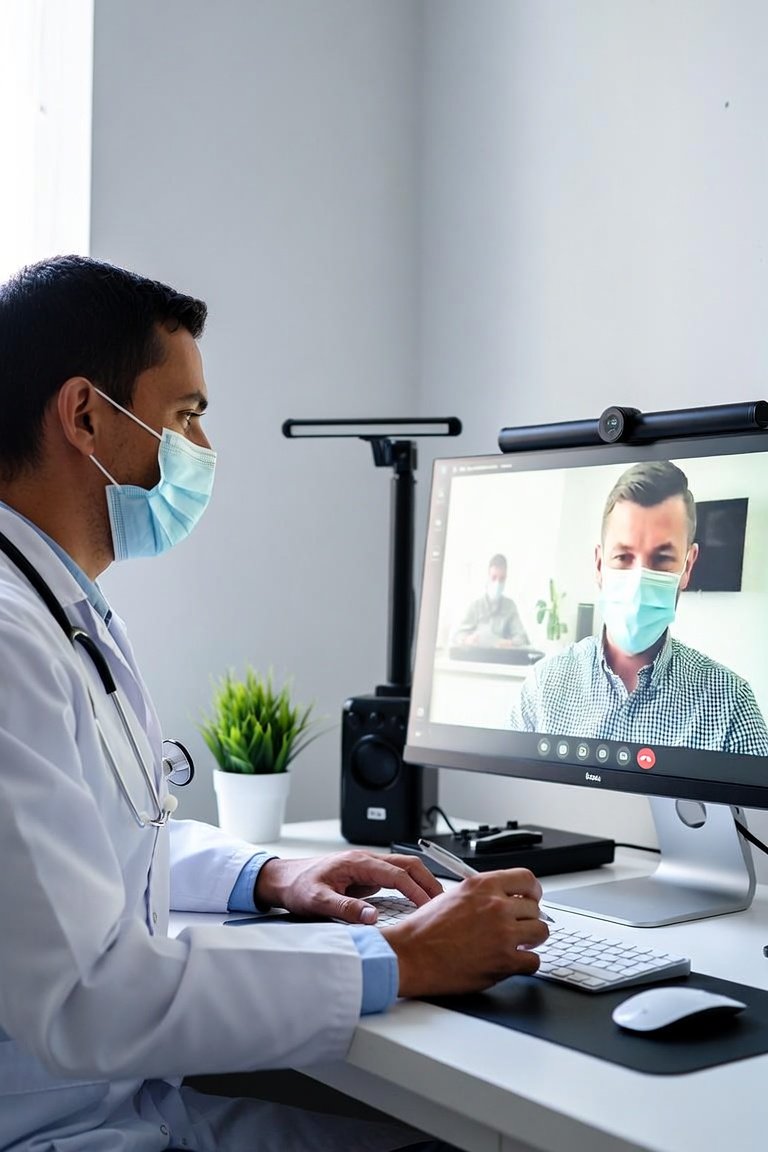
After two decades in medical technology, I have watched machine learning evolve from a laboratory curiosity into a clinical necessity. Today, ML algorithms are not replacing doctors but amplifying their diagnostic accuracy, speed, and consistency. For clinic managers, understanding how to integrate these tools is no longer optional—it is essential for staying competitive and improving patient outcomes.
KEY FEATURES AND BENEFITS OF ML IN DIAGNOSTICS
Machine learning offers three concrete advantages for your clinic. First, pattern recognition at scale. Algorithms trained on thousands of images or lab results can detect subtle anomalies that human eyes might miss, such as early-stage diabetic retinopathy in retinal scans or microcalcifications in mammograms. Second, workflow efficiency. ML systems can triage cases by urgency, flagging critical findings for immediate review while routing routine results to standard queues. This reduces turnaround times by 30 to 50 percent in many radiology and pathology departments. Third, consistency. Unlike humans, algorithms do not get tired or distracted. They apply the same criteria to every case, eliminating inter-observer variability. For example, in dermatology, ML models now match or exceed board-certified dermatologists in classifying skin lesions, with sensitivity rates above 90 percent.
COMPARISON OF ML DIAGNOSTIC SYSTEMS
Not all ML systems are created equal. You will encounter three main types in the market. First, image-based systems for radiology, ophthalmology, and pathology. These require high-resolution DICOM-compliant inputs and typically integrate with existing PACS or EMR platforms. Second, lab-based systems for analyzing blood tests, genetic data, or microbiology results. These often use algorithms trained on large reference datasets from academic medical centers. Third, multimodal systems that combine imaging, lab, and clinical notes for a holistic diagnostic suggestion. These are more complex and expensive but offer the highest accuracy for conditions like sepsis or cancer staging.
When evaluating options, consider three factors. One, training data quality. Ask vendors about the size and diversity of their training datasets. A model trained primarily on one ethnic group may underperform in your patient population. Two, regulatory clearance. In the U.S., look for FDA 510(k) clearance or De Novo classification. In Europe, CE marking under IVDR is mandatory. Three, integration difficulty. Some systems are plug-and-play with cloud APIs; others require on-premise servers and dedicated IT support. For a mid-sized clinic, cloud-based solutions with monthly subscriptions are often more practical than capital-intensive on-premise systems.
WHAT TO LOOK FOR WHEN ADOPTING ML
Start with a specific problem, not a technology. Identify a diagnostic bottleneck in your clinic—perhaps delayed mammogram reads or inconsistent ECG interpretations. Then select an ML tool designed for that task. Pilot it on a small scale, ideally with a parallel verification process where the algorithm and your senior clinician review the same cases independently. Track metrics like sensitivity, specificity, and time saved. Expect a learning curve of two to four weeks for staff to trust and use the system effectively.
Finally, remember that ML is a tool, not a decision-maker. The best systems provide a confidence score or probability with each result, allowing clinicians to override when necessary. Ensure your malpractice coverage addresses algorithmic assistance, and document all cases where the machine's suggestion differed from the final clinical decision.
CLOSING RECOMMENDATION
Machine learning will not replace your doctors, but it will make them faster and sharper. Start small, validate rigorously, and choose vendors with transparent training data and proven clinical outcomes. The clinics that adopt ML wisely today will be the ones leading diagnostic excellence tomorrow.
Clinic Management
Machine Learning in Medical Diagnosis: A Practical Guide for Clinic Managers