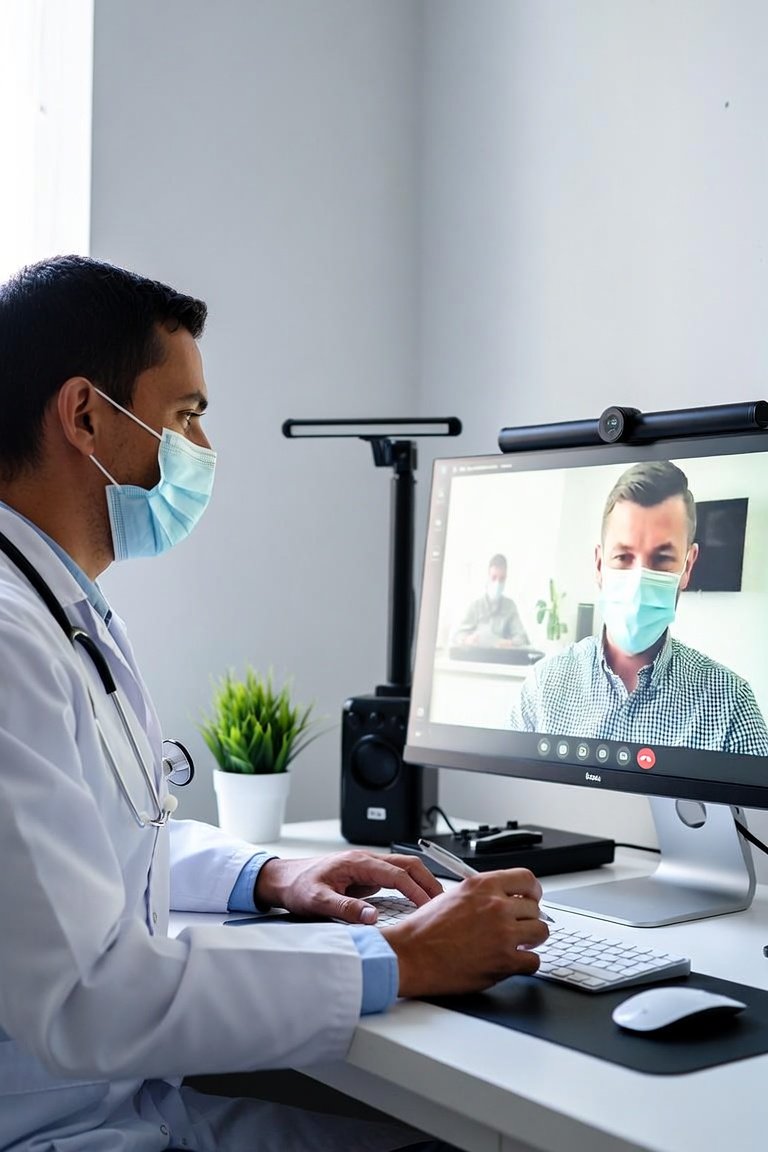
The shift to telemedicine is not about replacing the in-person visit. It is about extending your clinic’s reach and improving continuity of care. Based on my two decades in medical technology, I have seen too many clinics buy a video platform and call it a day. That is a recipe for frustration. A proper telemedicine service requires three core components working in harmony: the hardware, the software, and the clinical workflow.
1. The Hardware Foundation: Do not use consumer-grade webcams. For a professional service, invest in a high-definition USB camera with a wide field of view, at least 1080p resolution, and a built-in privacy shutter. The microphone is more critical than the camera. A simple USB conference microphone or a high-quality headset eliminates the hollow, echoey sound that makes patients feel distant. For the provider workstation, a dedicated computer with a wired internet connection is non-negotiable. Wi-Fi introduces latency and packet loss that ruins a consultation. For the patient, you must provide clear instructions for their own setup, but you cannot control their environment. Focus on what you control: your own audio and video quality.
2. The Software Platform: Not all platforms are equal. You need a HIPAA-compliant solution that integrates with your existing electronic health record (EHR). Standalone platforms like Doxy.me or Zoom for Healthcare are excellent for clinics starting out because they require no patient download. More robust systems like Amwell or Teladoc offer full integration but come with higher costs and longer implementation times. Look for a platform that offers three features: a virtual waiting room, screen sharing for reviewing lab results or imaging, and a simple method for sending a post-visit summary to the patient. Avoid platforms that require the patient to create an account. That single barrier will kill your adoption rate.
3. The Clinical Workflow: This is where most setups fail. You must standardize the process. First, define which visits are appropriate for telemedicine. Common examples include follow-ups for chronic conditions like hypertension or diabetes, medication management, and minor acute complaints like sinusitis or rashes. Second, create a pre-visit checklist. The patient must complete a pre-visit questionnaire and confirm their internet speed. Your front desk staff should test the connection with the patient 10 minutes before the appointment. Third, train your providers on the camera position. The camera should be at eye level, not looking down. A provider looking down at a laptop screen appears disengaged. A simple laptop stand solves this.
When comparing options, consider the total cost of ownership. A basic setup with a good webcam, microphone, and a monthly subscription to a HIPAA-compliant platform costs under $500 per provider. An enterprise solution with full EHR integration, dedicated IT support, and advanced analytics can run $5,000 to $15,000 per provider annually. For most independent clinics, the middle ground is best: a platform that offers API integration with your current EHR but does not require a full system overhaul.
What to look for in a final decision: reliability over features. A platform that works 99.9% of the time with minimal latency is better than one with fancy virtual backgrounds but frequent dropouts. Also, check the platform's ability to handle multi-point calls if you plan to include a specialist or a family member. Finally, audit your own clinic's internet bandwidth. You need a minimum of 10 Mbps upload speed per concurrent video stream. If you have three providers doing telemedicine simultaneously, you need 30 Mbps upload speed. Do not skip this step.
My closing recommendation is simple: start small, test rigorously, and expand methodically. Pilot the service with two providers and a dedicated patient panel for 30 days. Gather feedback on audio quality, ease of use, and patient satisfaction. Only then should you roll it out to the full clinic. Telemedicine is a tool, not a cure-all. Used correctly, it will strengthen your patient relationships and make your clinic more resilient.
Clinic Management
Setting Up a Telemedicine Service: A Practical Guide for Clinic Managers