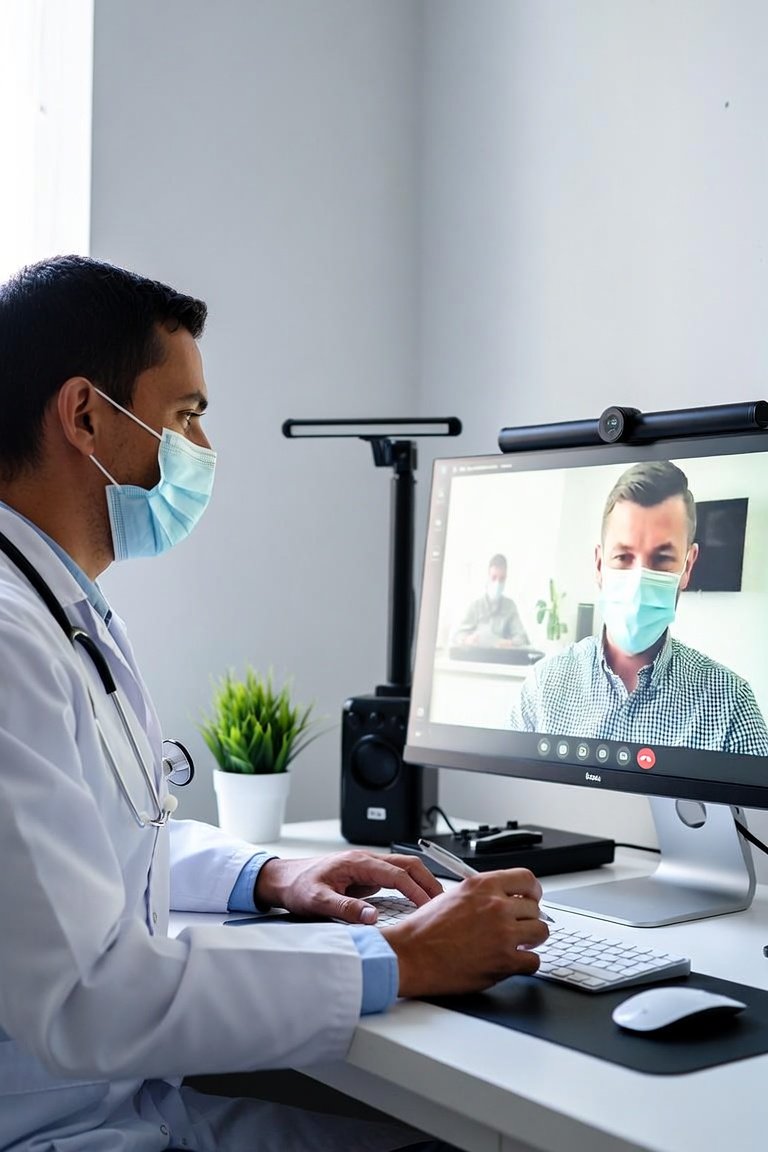
Over the last decade, I have helped dozens of clinics transition from in-person only to hybrid telemedicine models. The technology is now mature, but the setup still requires careful planning. Let me walk you through the essential steps based on real-world experience.
First, you must choose your telemedicine platform carefully. The market offers three main categories. First, integrated platforms that are part of your existing electronic health record (EHR) system. These are ideal for clinics already using a major EHR like Epic or Cerner, as they keep patient data in one place. Second, standalone telemedicine software like Doxy.me or Zoom for Healthcare. These are simpler to deploy and often cheaper, but require manual data entry into your EHR. Third, custom-built solutions using white-label video APIs. These are rare and expensive, best reserved for large hospital networks with unique workflows. My recommendation: for a small to mid-sized clinic, start with a standalone platform that offers HIPAA-compliant video, screen sharing, and simple scheduling. You can upgrade later.
Now, let us discuss the hardware you will need. Do not overbuy. For the provider side, a good laptop or desktop computer with a 1080p webcam is sufficient. I prefer Logitech C920 or C922 webcams because they have autofocus and decent low-light performance. For audio, a USB headset with a noise-canceling microphone is non-negotiable. The built-in microphone on most laptops picks up room echo and keyboard clicks. I use the Jabra Evolve 40 series in my own clinic. For the patient side, they need only a smartphone, tablet, or computer with a camera and internet connection. Advise patients to use a wired internet connection if possible, or at least a strong Wi-Fi signal. Cellular 4G LTE works but can be unreliable.
Next, consider your clinical workflows. You must decide which visits are appropriate for telemedicine. Common candidates are follow-up appointments for chronic conditions like hypertension or diabetes, medication management, mental health counseling, and minor acute issues like sinusitis or skin rashes. Never use telemedicine for emergencies, chest pain, or conditions requiring a physical exam like abdominal pain. Your front desk staff must be trained to triage patients into telemedicine or in-person slots. I recommend creating a simple checklist: Is the patient stable? Can the condition be assessed visually or through patient-reported symptoms? Is a physical exam truly necessary? If yes to all three, telemedicine is appropriate.
Finally, address the legal and billing aspects. You must verify that your telemedicine platform is HIPAA-compliant and that you have a signed patient consent form for telemedicine visits. Check your state medical board regulations, as some states require an initial in-person visit before telemedicine. For billing, Medicare and most private insurers now reimburse telemedicine at the same rate as in-person visits, but you must use the correct place of service code (02 for telemedicine) and modifier (95 or GT). I have seen clinics lose thousands of dollars by using the wrong billing codes. Train your billing staff thoroughly.
In summary, setting up a telemedicine service is not about buying the most expensive equipment. It is about choosing the right platform for your EHR, investing in a good webcam and headset, training staff on patient triage, and getting your billing codes correct. Start with a pilot program of 10 to 20 patients per week, gather feedback, and expand. Telemedicine is here to stay, and a well-planned rollout will serve your patients and your practice for years to come.
Clinic Management
Setting Up a Telemedicine Service: A Practical Guide for Clinic Managers