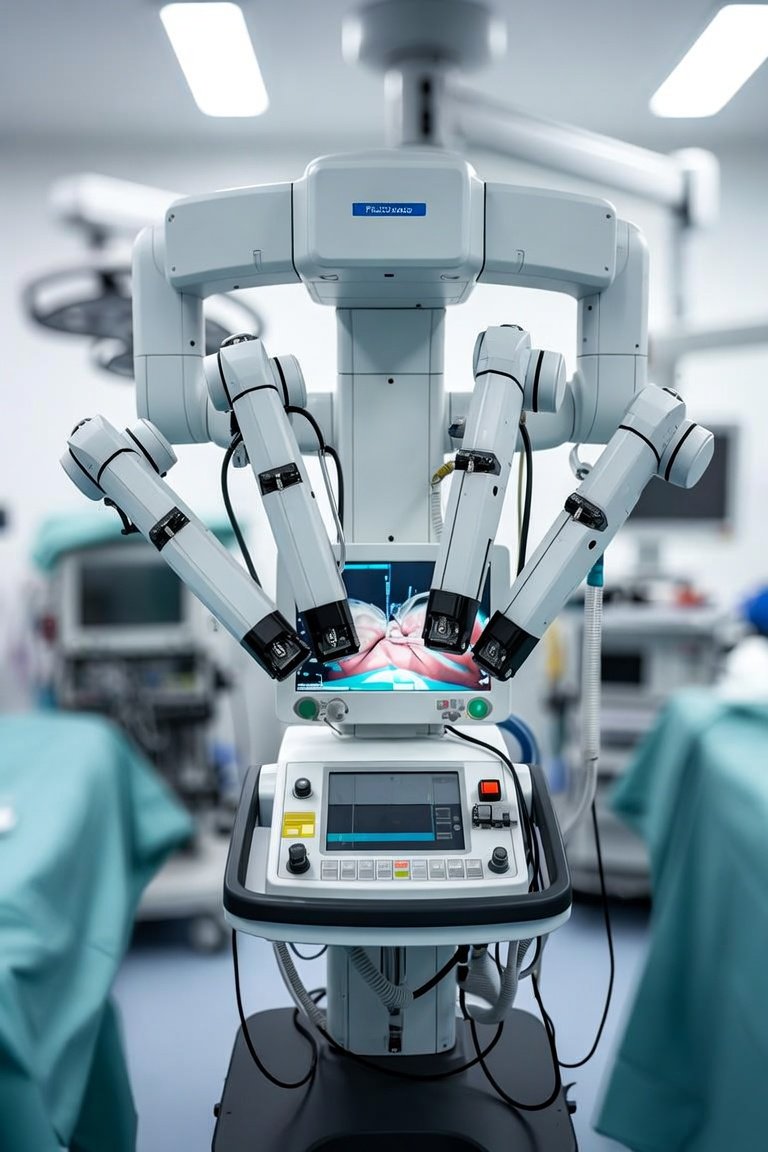
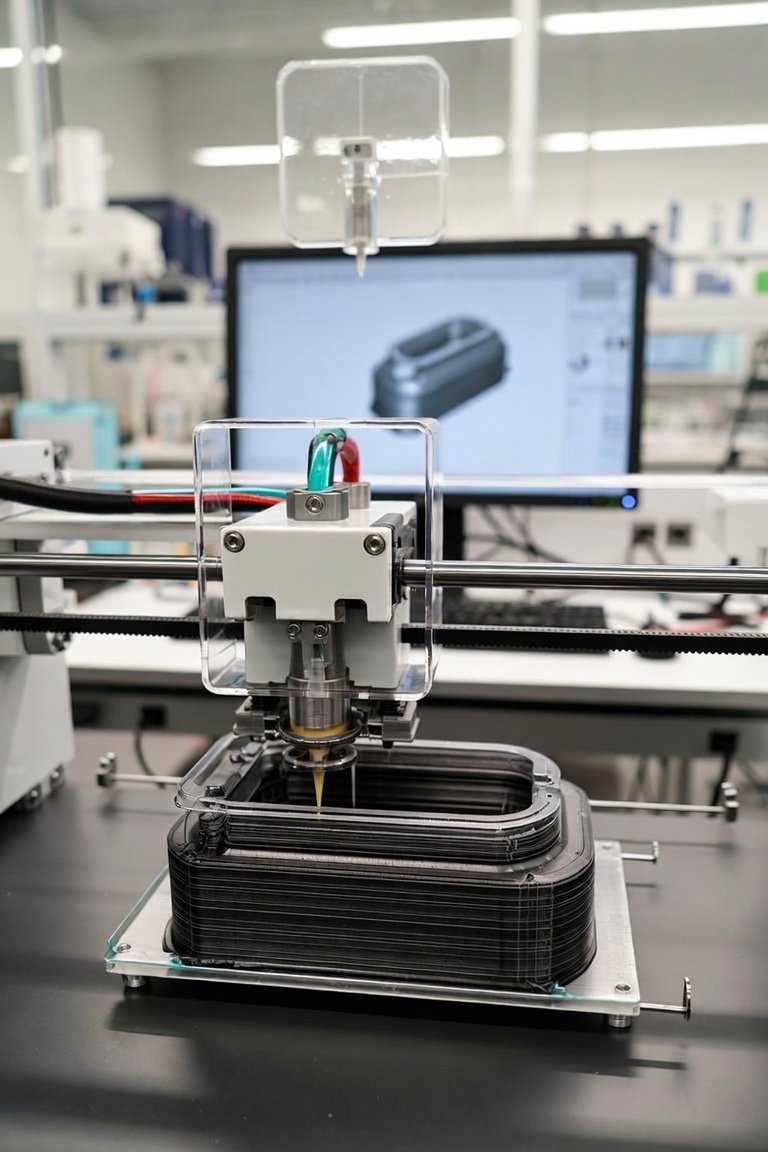
After two decades in medical technology, I have watched the shift from passive implants to intelligent, communicating devices. Today, a smart implant is not just a piece of hardware; it is a data node in a patient's health network. These devices combine sensors, microprocessors, and wireless connectivity to provide real-time physiological data. The most significant change is that we can now monitor healing, detect complications, and adjust therapy without requiring the patient to visit a clinic.
Key Features and Benefits of Current Smart Implants
Let me walk you through the practical features that define the current generation of smart implants.
1. Real-time physiological sensing. Modern smart implants measure pressure, temperature, pH, and strain. For example, orthopedic smart implants can track load on a healing fracture, alerting the surgeon if the patient is bearing weight too early. Cardiovascular implants, like smart stents, monitor blood flow and wall stress, flagging restenosis before symptoms appear.
2. Wireless data transmission. Most devices use near-field communication or Bluetooth Low Energy. This allows a simple smartphone app or a bedside reader to collect data. The patient does not need to be wired to a machine. The data is automatically uploaded to a secure cloud platform for the care team.
3. Adaptive therapy delivery. Some smart implants can adjust their function based on sensor input. A smart spinal cord stimulator can increase or decrease stimulation amplitude based on the patient's activity level. A connected insulin pump can suspend delivery when a continuous glucose monitor detects impending hypoglycemia.
4. Long battery life and energy harvesting. The best devices now last five to ten years. Some use piezoelectric materials that generate power from body movement, eliminating the need for battery replacement surgery.
Comparing Connected Health Devices for Home and Clinic
When evaluating these technologies for your facility, you will find two main categories: implantable sensors and wearable connected devices. Both are essential, but they serve different purposes.
Implantable sensors are surgically placed and provide the most accurate, continuous data from inside the body. They are ideal for monitoring chronic conditions like heart failure or for tracking post-surgical recovery. The trade-off is the need for a procedure to place and eventually remove the device.
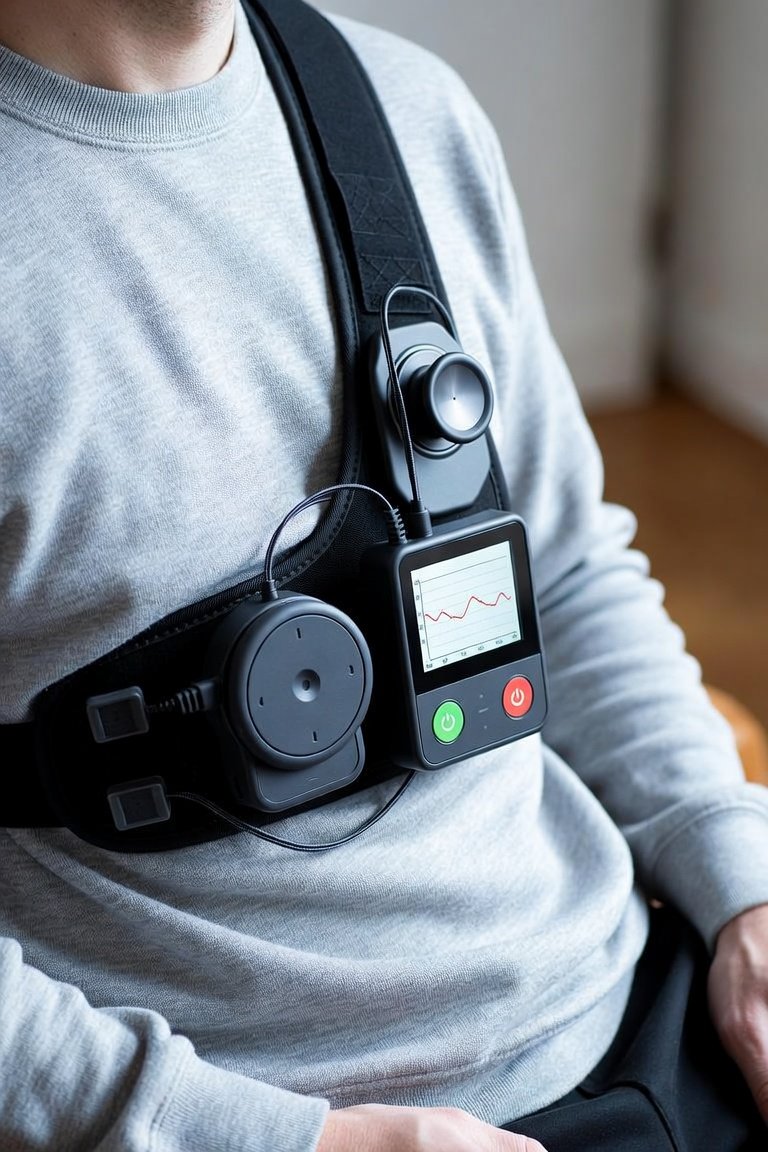
Wearable connected devices, such as smart patches and continuous glucose monitors, are non-invasive and easier to deploy. They are excellent for short-term monitoring or for patients who cannot undergo surgery. However, they rely on skin contact and can be dislodged, leading to data gaps.
For a hospital system, I recommend a hybrid approach. Use implantable sensors for high-risk surgical patients and chronic disease management. Use wearables for general population screening and rehabilitation. Both platforms feed into a common dashboard, giving clinicians a unified view.
What to Look For When Choosing a Smart Implant System
Do not focus solely on the implant itself. The entire ecosystem matters. The device must have FDA clearance or CE marking for your specific indication. Check the data security protocols; the device should encrypt data at rest and in transit. Look for platforms that integrate with your existing electronic health record system.
Consider the patient experience. The app or reader should be simple to use. The device should have a clear battery indicator and a way to confirm data transmission. Finally, evaluate the manufacturer's support for training and troubleshooting. A smart implant is only as good as the team that maintains it.
Closing Recommendation
Smart implants and connected health devices are no longer experimental. They are proven tools that reduce hospital readmissions, shorten recovery times, and give patients peace of mind. Start with a pilot program for one clinical indication, such as remote monitoring of joint replacement patients. Choose a platform that offers both implantable and wearable options. Train your staff and your patients thoroughly. The data these devices provide will transform how you practice medicine.
Innovations & Tech
Smart Implants and Connected Health Devices: The New Standard in Patient Monitoring