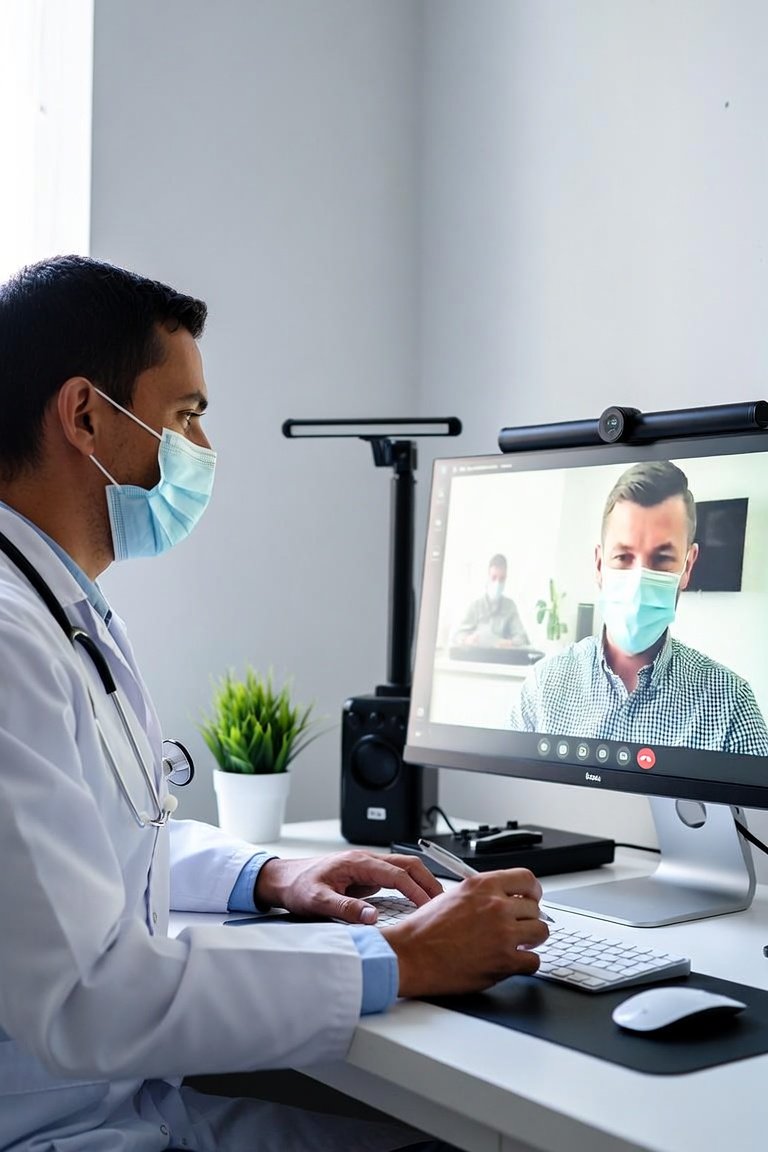
After two decades in practice, I have watched telemedicine grow from a niche convenience into a cornerstone of modern healthcare. But just when we all got comfortable with video calls, the regulations governing them have shifted. As of early 2025, both federal and state agencies have updated rules around prescribing, patient privacy, and cross-state care. These changes are designed to protect you, but they also create new steps you need to follow. Let me break down what matters most for your next virtual appointment.
The biggest change involves prescribing medications. During the public health emergency, doctors could prescribe controlled substances like pain medications or anxiety treatments after only a video visit. That flexibility has now ended. Under the updated Ryan Haight Act enforcement, you must have at least one in-person visit with a provider before they can prescribe most controlled substances. This rule applies even if you have been stable on a medication for years. I have seen patients caught off guard when their regular telemedicine refill gets denied. The practical tip here is simple: schedule an in-person checkup with your primary doctor or specialist at least once every six months to keep your telemedicine options open.
Another major update affects where your doctor can practice. Many states have tightened rules requiring physicians to hold a medical license in the state where you are located during the visit. If you travel for work or live near a state border, this matters. For example, if you are in Kansas for a business trip but your doctor is licensed only in Missouri, they cannot legally treat you during that visit. Some states now allow temporary waivers for short-term travel, but the safest approach is to verify your doctor's licensing before the call. Ask your clinic directly: "Are you licensed to practice in my current physical location?" This one question can save you a frustrating cancellation.
Privacy protections have also been strengthened. The Department of Health and Human Services now requires that ALL telemedicine platforms use end-to-end encryption. That means no more using FaceTime or Skype for medical visits unless your doctor confirms the platform meets federal security standards. I recommend patients use only the platform their clinic provides, whether that is a dedicated app or a secure patient portal. Avoid sharing your screen or recording visits without explicit permission. And always log out of public Wi-Fi before starting a call. These steps protect your health information from being intercepted.
Insurance coverage for telemedicine is another area of flux. While Medicare and most private insurers still cover virtual visits, the rules for what qualifies have narrowed. Many plans now require the visit to be with a provider you have seen in person within the past 12 months. Some also limit coverage to audio-video calls, dropping coverage for phone-only visits. Before booking, call your insurance company and ask three questions: Is telemedicine covered? Is there a prior in-person requirement? And is phone-only covered? Write down the answers and the name of the representative you spoke with.
What should you remember? First, plan ahead. If you rely on telemedicine for ongoing prescriptions, schedule that in-person visit now. Second, be honest about your location during the call. Lying about where you are to get care can jeopardize your doctor's license and your access to future treatment. Third, use secure technology. Never accept a telemedicine link sent through text message unless it comes directly from your clinic's verified number.
The goal of these updates is to keep you safe while preserving the convenience of virtual care. I have seen telemedicine save lives by reaching patients in rural areas and those with mobility challenges. Do not let these rule changes scare you away. Instead, view them as a reminder to stay organized and proactive. Your health is worth the extra five minutes of preparation.
In my practice, I tell patients this: telemedicine is a tool, not a replacement for the relationship you build with your doctor. Use it wisely, follow the rules, and you will continue to get excellent care from the comfort of your home.
Clinic Management
Telemedicine Rules Are Changing: What You Need to Know for Your Next Virtual Visit