For two decades, I have watched medical technology evolve from simple, passive implants to intelligent, interactive systems. Today, we are witnessing a paradigm shift where devices not only replace or support biological function but also communicate, analyze, and adapt. Smart implants and connected health devices are no longer a futuristic concept; they are a clinical reality that demands our attention.
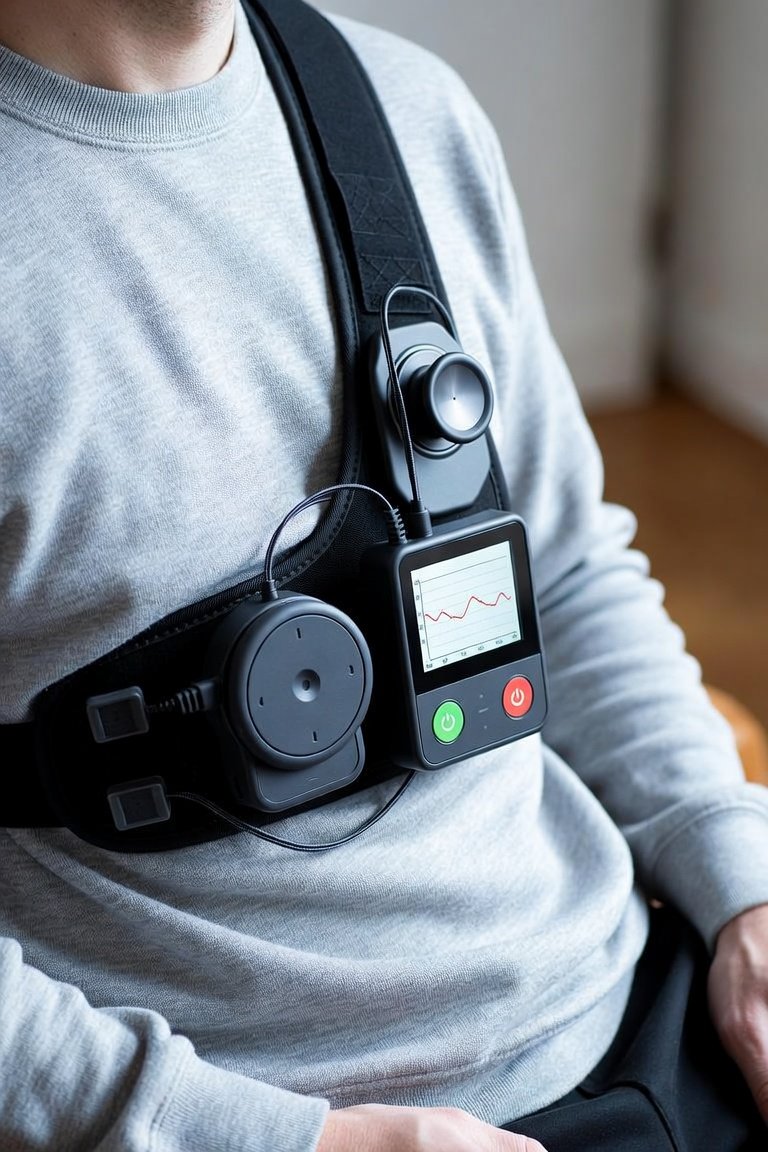
The core innovation lies in integrating sensors, microprocessors, and wireless communication into devices that reside inside the body. This allows for real-time data collection on pressure, temperature, pH, electrical activity, and even biochemical markers. The practical benefits are substantial. First, continuous monitoring replaces episodic clinic visits. A smart spinal fusion implant, for example, can alert a surgeon to early signs of non-union or infection weeks before symptoms become apparent. Second, closed-loop therapy is becoming viable. Consider smart insulin pumps that communicate with continuous glucose monitors, automatically adjusting basal rates without patient input. Third, patient compliance is improved. Connected pill bottles with ingestible sensors confirm medication intake, while smart knee replacements track range of motion and weight-bearing during rehabilitation, providing objective data to physical therapists.
When comparing options, the landscape divides into two broad categories: active implants and passive smart devices. Active smart implants, like pacemakers with remote monitoring, have been around for years but are now exponentially more sophisticated. Modern leadless pacemakers are self-contained units that communicate directly with a smartphone app, allowing physicians to check battery life, lead integrity, and arrhythmia episodes without an office visit. On the other hand, passive smart implants, such as orthopedic plates with embedded strain gauges, require an external reader to power the sensor and collect data. The choice depends on clinical need. For cardiac patients requiring continuous arrhythmia detection, an active implant is mandatory. For post-surgical fracture healing, a passive sensor that provides weekly load data is sufficient and avoids the complexity of an internal battery. A key consideration is data security. All connected devices must use encrypted, HIPAA-compliant communication protocols. I strongly advise facilities to verify that any smart implant system uses end-to-end encryption and has a clear data management policy.
What should you look for when evaluating these technologies? Focus on three critical factors. 1. Battery longevity and power management. For active implants, ask about expected lifespan and whether the device can be recharged transcutaneously. 2. Interoperability. The device must integrate with your existing electronic health record system. A smart implant that generates data but requires a proprietary viewer is a liability. 3. Clinical validation. Do not rely on marketing claims. Demand peer-reviewed studies showing improved outcomes, reduced complications, or cost savings compared to standard care.
My closing recommendation is straightforward: start small. If your facility is new to connected health, pilot a single application, such as a smart continuous glucose monitor for a group of diabetic patients, before investing in a full suite of smart orthopedic implants. Train your clinical staff on data interpretation, not just device operation. The technology is powerful, but its true value comes from how we act on the information it provides. Smart implants are tools, not solutions. Used wisely, they will transform patient care from reactive to predictive.
Innovations & Tech
The New Frontier: Smart Implants and Connected Health Devices