For decades, the term "bionic" conjured images of science fiction. But in my two decades servicing and evaluating prosthetic systems, I can tell you the gap between fiction and the clinic has never been smaller. The latest advances aren’t just about lighter materials; they are about restoring the neural conversation between the brain and the machine. We have moved from simple myoelectric switches to pattern recognition and osseointegration, and the practical impact on patient mobility is staggering.
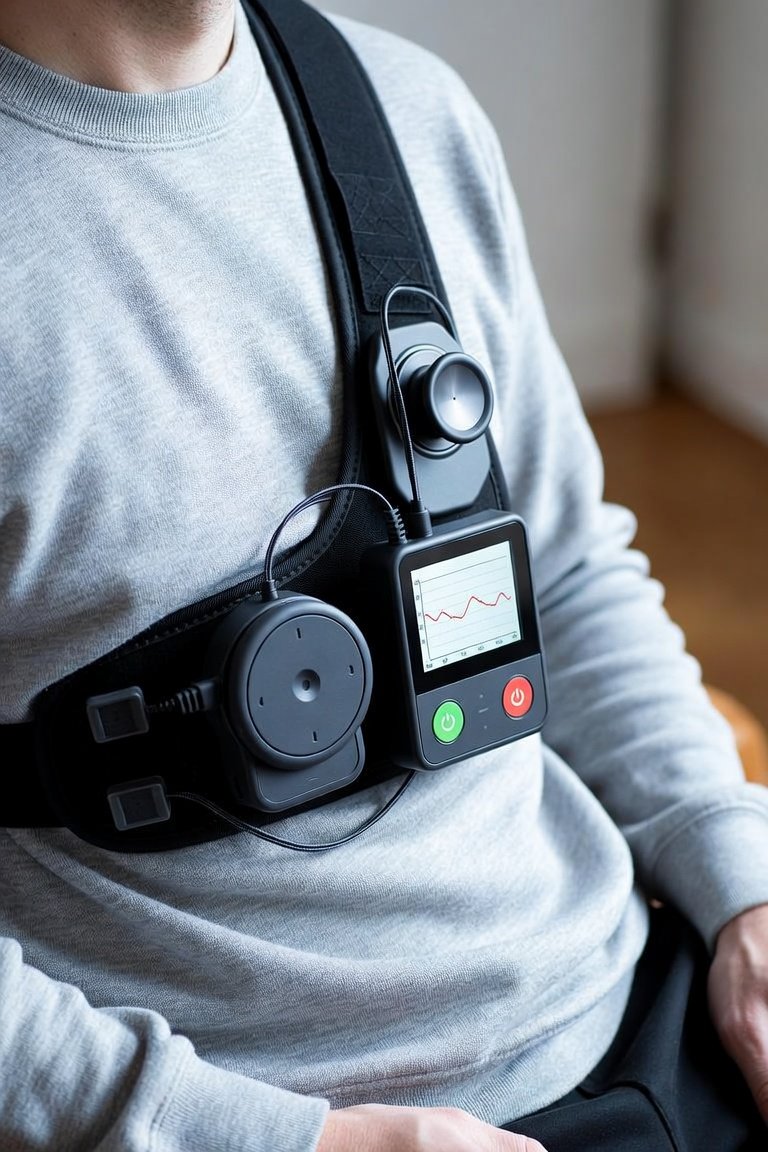
The most significant shift is the integration of machine learning directly into the prosthesis. Traditional myoelectric arms relied on two electrodes picking up flexor and extensor signals, offering only one or two grip patterns. Today’s systems, like the Ottobock Michelangelo and the Össur Power Knee, use multiple electrodes that capture the electrical signature of an entire muscle group. The onboard processor then runs a pattern recognition algorithm that learns the user’s specific firing sequences. In practice, this means a user can think about rotating their wrist, and the hand performs a supination motion without cycling through modes. The key feature here is the speed of adaptation. The system recalibrates itself with every use, meaning the device gets more accurate over weeks, not months. For a clinician, the actionable takeaway is that fitting these devices requires a longer training period with the patient, but the functional payoff is a 30 to 40 percent reduction in cognitive load during daily tasks.
Another major breakthrough is the return of sensory feedback through targeted muscle reinnervation (TMR). This surgical technique reroutes severed nerves from the amputated limb to intact muscle groups in the chest or upper arm. When the patient thinks about moving their missing hand, the signal activates the new muscle site, which is then read by the prosthetic sensors. But the reverse is also now possible. Researchers at Case Western and the University of Utah have developed electrodes that stimulate those same nerve pathways to produce a sensation of touch or pressure. The latest commercial systems, such as the Coapt Complete Hand, offer a "sensory grip" that vibrates at different intensities to signal grip strength. This is not a gimmick; it prevents users from crushing a paper cup while still holding a heavy tool. When comparing systems, look for one that offers proportional control rather than binary on-off switching, as this is the only way to achieve fine motor control.
If you are evaluating equipment for a clinic, the most critical specification to examine is the battery and torque ratio. The new microprocessors are power-hungry. The latest lithium-ion cells, like those in the Fillauer MotionFoot, now offer a 48-hour cycle with fast charging, but they still add weight. A lighter device with a weak motor will fail on uneven terrain. My advice is to test the device under load, not just on a bench. Check the socket interface for pressure mapping. The most advanced bionic joint in the world is useless if the socket causes shear forces that lead to skin breakdown. Look for systems with adaptive socket technology, such as the ones from WillowWood, which use air bladders to adjust volume throughout the day.
In summary, the current market is defined by three pillars: pattern recognition software, osseointegrated implants that eliminate the socket entirely, and sensory feedback loops. The osseointegrated approach, where a titanium post is anchored directly to the bone, is the most radical change, offering a full range of motion and proprioception, but it carries a higher infection risk and is not suitable for all patients. For most, the sweet spot remains a high-end myoelectric system with pattern recognition and a smart foot that adjusts ankle stiffness in real time.
My final recommendation is to prioritize versatility over raw power. A bionic limb that excels at heavy lifting but fails at typing is a poor investment. Look for a system that offers multiple grip patterns, including lateral pinch and tripod grasp, and that has a service plan with a fast turnaround on firmware updates. The hardware is solid, but the software is what evolves. Treat the prosthesis as a computer you wear, and you will be on the right track.
Innovations & Tech
The New Generation of Bionic Limbs: What’s Changed in the Last Five Years