After two decades of watching clinic software evolve from simple billing terminals to comprehensive digital ecosystems, I can tell you that the choices for 2026 are both exciting and overwhelming. The market has shifted decisively toward cloud-based platforms that prioritize patient engagement and interoperability. If you are still running a legacy on-premise system, you are leaving money on the table and risking burnout for your staff. The best systems today are not just about storing data; they are about automating the entire patient journey, from the first online booking to the final insurance reconciliation.
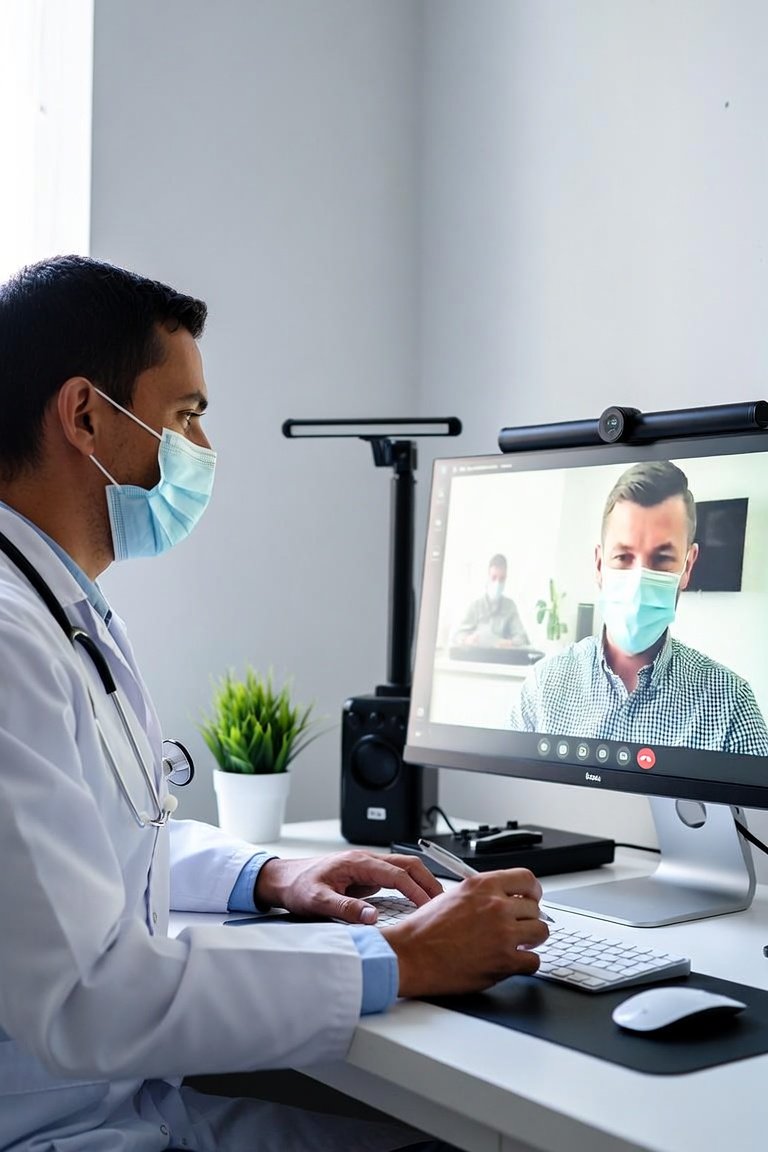
The core features you must demand in 2026 revolve around intelligent automation and seamless data flow. First, look for integrated telehealth that is not a separate module but a native part of the patient chart. Second, your software must handle AI-driven appointment scheduling that predicts no-shows and automatically fills gaps with waitlisted patients. Third, revenue cycle management should be proactive, using predictive analytics to flag claim denials before they are submitted. Finally, patient engagement tools are non-negotiable. This means automated two-way texting, pre-visit intake forms that patients can complete on their phones, and a patient portal that feels as polished as a consumer banking app. These features are not luxuries; they are the baseline for operational efficiency in the coming year.
When comparing the major players, you need to distinguish between specialty-specific and generalist platforms. For primary care and multi-specialty groups, platforms like AdvancedMD and Kareo continue to lead with robust billing and customizable templates. However, for surgical or procedure-based clinics, a system like Nextech or ModMed offers specialty-specific charting that saves providers hours each day. A critical piece of advice: do not get seduced by the flashiest interface. Instead, request a test environment and have your front desk staff, not just the doctors, click through the system. The front desk is the engine room of your clinic, and if they cannot navigate the scheduler or check-in process quickly, the entire practice slows down. Also, verify that the software has a truly open API. In 2026, your EHR must talk to your lab, your imaging center, and your patient monitoring devices without requiring expensive custom interfaces.
What you should look for in the evaluation process goes beyond the feature list. First, scrutinize the total cost of ownership, including per-user fees, implementation costs, and the price of data migration. Second, check the vendor’s uptime guarantee and their disaster recovery protocol. A cloud system that is down for two hours on a Monday morning is a catastrophic loss of revenue. Third, consider the training curve. The best software in the world is useless if your staff cannot master it within two weeks. Ask the vendor for their average onboarding time and their ongoing support response times. You want a partner, not just a vendor. In my experience, the clinics that succeed are the ones that treat software adoption as a change management project, not an IT project.
My closing recommendation is simple: prioritize workflow over features. In 2026, the best clinic management software is the one that reduces the number of clicks your staff makes per patient encounter. Look for systems that utilize ambient listening to draft clinical notes and that automate prior authorizations. If you are a small practice, start with a scalable platform like Practice Fusion or DrChrono to keep costs low, but ensure you can upgrade without re-implementing. For larger organizations, invest in a unified platform that combines your EHR, PM, and patient engagement into a single data model. Do not buy a patchwork of best-of-breed tools if they do not share a common database. The future of clinic management is about seamless data liquidity, and your software must be the conduit. Choose wisely, and your practice will not just survive 2026; it will thrive.
Clinic Management
The Right Digital Backbone for Your Practice in 2026