When you run a small clinic, every piece of equipment has to earn its keep. Patient monitors are no exception. You need devices that are accurate, easy to use, and durable enough to handle a busy day of vital sign checks. But with so many options on the market, choosing the right monitor can feel overwhelming. I have spent two decades in the field, and I have seen what works and what does not. Here is my practical guide to the top 10 patient monitors for small clinics, based on real-world performance and value.
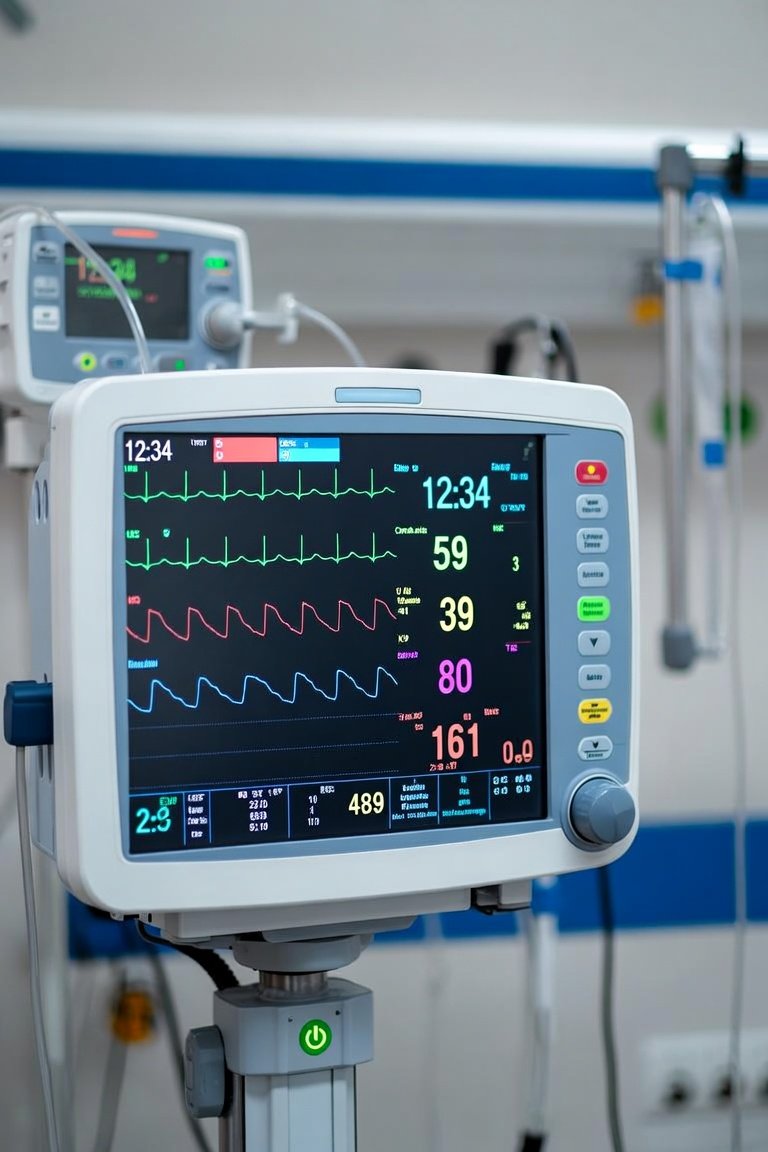
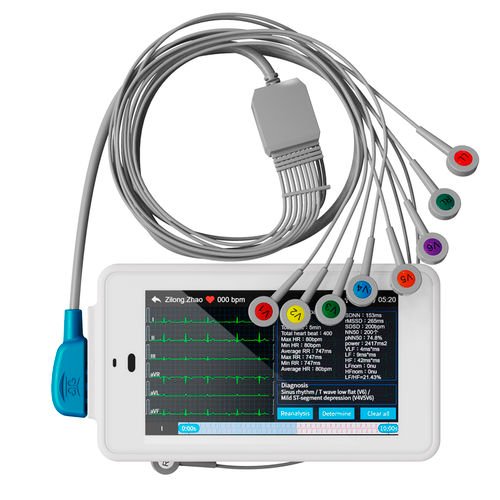
The key features to look for are straightforward. First, consider the display. A 10- to 12-inch color screen is ideal for most clinics because it is large enough to read at a glance but compact enough to fit on a cart or wall mount. Second, think about the parameters you need. For a general clinic, you typically require non-invasive blood pressure (NIBP), pulse oximetry (SpO2), heart rate, and temperature. Some monitors also offer ECG and respiration, which are valuable if you see patients with chronic conditions. Third, battery life matters. A monitor with at least four hours of battery backup allows you to move patients between rooms or handle power interruptions without losing data. Fourth, connectivity is critical. Look for monitors that integrate with your electronic health records (EHR) system via Wi-Fi or Ethernet. This saves time and reduces transcription errors. Finally, consider the weight. A monitor under 5 kilograms is easier to move and store.
Now, let me walk you through my top 10 picks. Number 1 is the Mindray uMEC12. It offers a 12.1-inch touchscreen, excellent SpO2 accuracy, and a long battery life of six hours. It is a workhorse for general practice. Number 2 is the GE Healthcare B40. This monitor is compact, with a 10.4-inch screen, and it is known for its robust NIBP algorithm that works well on patients with irregular heart rhythms. Number 3 is the Philips IntelliVue MX40. It is a wearable monitor that can be used for ambulatory patients, making it perfect for clinics that do stress tests or remote monitoring. Number 4 is the Nihon Kohden LifeScope VS. It has a simple interface and a built-in printer, which is handy for providing instant reports. Number 5 is the Welch Allyn Connex Spot Monitor. It is lightweight (3.2 kg), has a 5-inch touchscreen, and integrates seamlessly with Welch Allyn diagnostic tools. Number 6 is the Masimo Rad-67. This is a handheld pulse oximeter that also measures NIBP and temperature. It is ideal for clinics that need portability above all. Number 7 is the Drager Vista 120. It offers a 12.1-inch screen, optional capnography, and a durable design that withstands frequent cleaning. Number 8 is the Edan M3. It is a budget-friendly option with a 10.4-inch display, basic parameters, and a battery life of five hours. Number 9 is the Schiller Argus. It has a 10.4-inch screen, comes with a trolley, and is very easy to clean, which matters for infection control. Number 10 is the Bionet BM3. This is a three-parameter monitor (NIBP, SpO2, pulse) that is incredibly affordable and simple to use, perfect for clinics with very limited space.
When you choose a monitor, think about your specific patient population. If you see many elderly patients, prioritize a monitor with a large, high-contrast display and a reliable NIBP cuff that works on thin arms. If you do pediatric care, look for monitors that offer pediatric modes and smaller cuffs. Also, check the warranty. Most reputable brands offer at least two years of coverage, but some extend to five years for the main unit. Finally, do not overlook training. Even the best monitor is useless if your staff cannot operate it confidently. Many manufacturers offer free online training modules, so take advantage of them.
In closing, my strongest recommendation is to start with the Mindray uMEC12 or the GE B40. Both are proven performers in small clinics across the country. They offer the right balance of features, durability, and price. But no matter which monitor you choose, make sure it fits your workflow, not the other way around. Your clinic’s success depends on reliable data, and a good monitor delivers that every time.
Medical Devices
The Right Monitor for Your Small Clinic: 10 Top Picks for Reliable Patient Monitoring