Starting a new medical practice is an exciting venture, but the equipment choices you make in the first six months will either set you up for smooth operations or constant headaches. I have seen too many new physicians blow their budget on flashy gadgets while neglecting the workhorses that actually drive patient care and revenue. Here is my list of the ten non-negotiable tools, based on two decades of field experience.
1. Automated Vital Signs Monitor. Do not buy a manual sphygmomanometer unless you are doing house calls. A good automated monitor from Welch Allyn or Hillrom gives you blood pressure, pulse, temperature, and SpO2 in under 60 seconds. Look for models with interchangeable cuffs for pediatric and bariatric patients. The Connex Spot Monitor is a solid choice because it syncs directly with most EMRs.
2. Electronic Medical Records System with Integrated Scheduling. Your EMR is the nervous system of your practice. Avoid cheap, generic platforms. Instead, choose one like Epic or Athenahealth that offers built-in appointment reminders, billing codes, and e-prescribing. The single biggest mistake I see is buying a separate scheduling tool and then trying to merge it with a different EMR. It never works well.
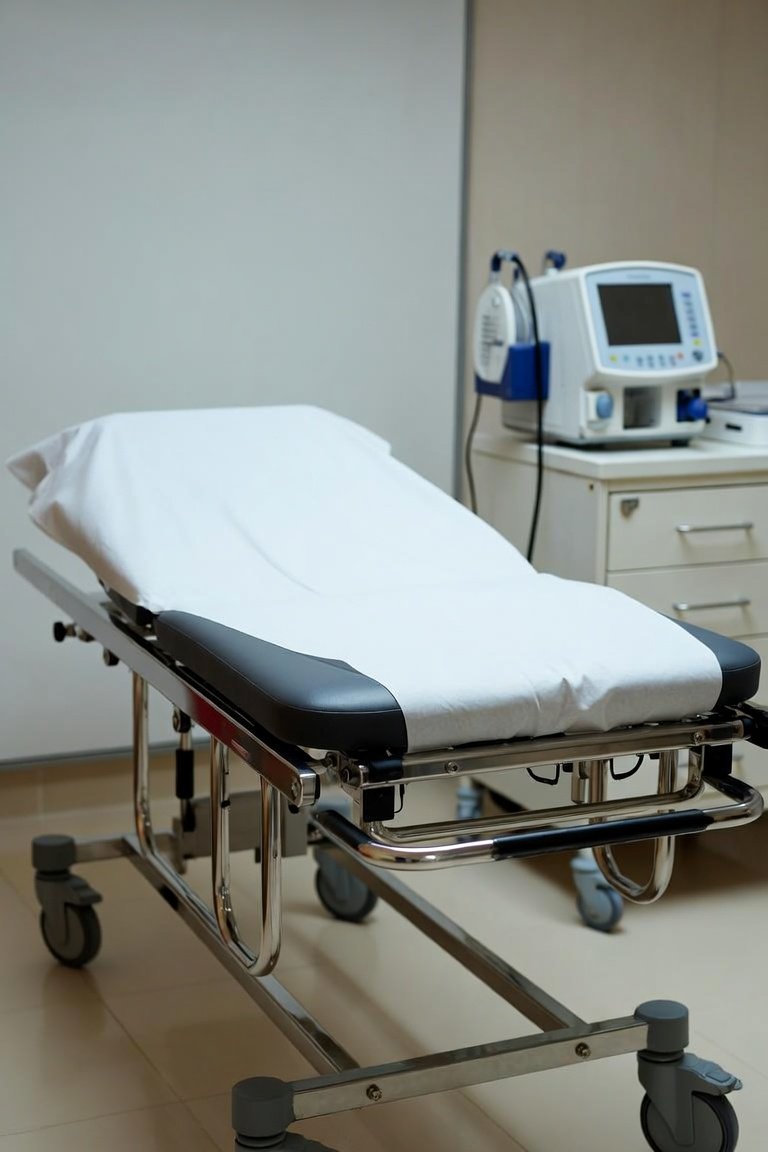
3. Examination Table with Power Adjust. Manual tables are fine for a few years, but a power-adjustable table from Midmark or Ritter will save your back and speed up patient throughput. Look for models with a 500-pound weight capacity, articulating headrest, and built-in stirrups for women’s health. The Ritter 222 is a workhorse that lasts 15 years with minimal maintenance.
4. Digital Otoscope and Ophthalmoscope Set. The old halogen bulbs are obsolete. Go with a LED-based system from Welch Allyn or Heine. The LED light is whiter, lasts longer, and does not heat up. For a new practice, the PanOptic Plus ophthalmoscope gives you a wider field of view, which is critical for detecting diabetic retinopathy early.
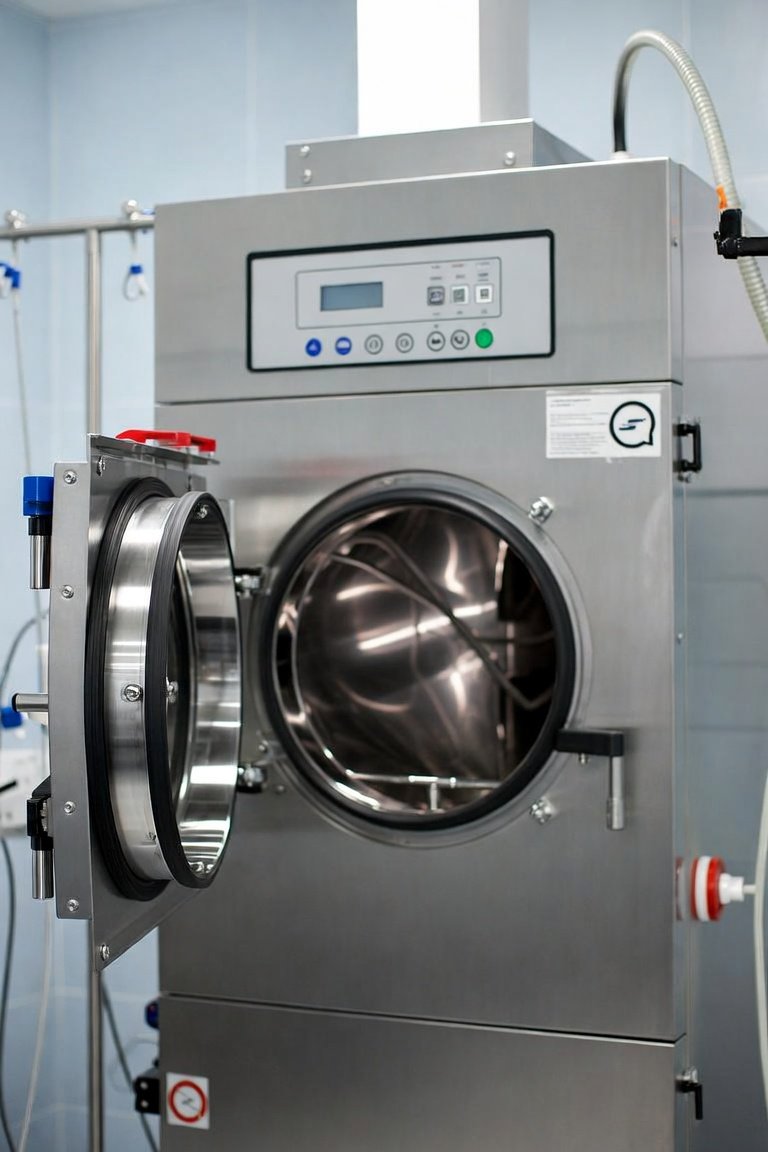
5. Autoclave for Sterilization. You cannot outsource sterilization if you do any minor procedures. A mid-size steam autoclave from Tuttnauer or Midmark, with a 10-inch chamber, will handle instruments for a full day of sutures, biopsies, and IUD placements. Look for models with a pre-vacuum cycle to ensure complete sterilization of hollow instruments.
6. Centrifuge for Point-of-Care Testing. A small benchtop centrifuge from Drucker or Eppendorf is essential for spinning down blood samples for glucose, HbA1c, or INR. Do not buy a clinical centrifuge that only takes 5 mL tubes. Get one with a swing-bucket rotor that accepts both microtainers and standard tubes. The Drucker Horizon 24 is reliable and quiet.
7. Portable Ultrasound. This is no longer a luxury. A handheld device like the Butterfly iQ or GE Vscan can replace a stethoscope for many exams. It allows you to quickly assess pleural effusions, ascites, or deep vein thrombosis. The Butterfly iQ is particularly good for new practices because it connects to a smartphone, eliminating the need for a dedicated cart.
8. ECG Machine with Interpretation. A 12-lead ECG from Mortara or GE is a must for any primary care or cardiology practice. Look for a model that provides automated interpretation and stores at least 100 traces. The Mortara ELI 280 is a solid choice because it is compact, has a large touchscreen, and can be networked to your EMR.
9. Defibrillator with AED Mode. Even if you never perform cardioversion, you need an AED-capable defibrillator for emergencies. The Zoll AED Plus is a good option because it provides real-time feedback on compression depth. Do not buy a manual-only unit unless you are in a hospital setting.
10. Medical Refrigerator with Temperature Monitoring. A pharmacy-grade refrigerator from Labcold or Follett is essential for storing vaccines, biologics, and certain medications. Do not use a household fridge. It must maintain a consistent 2-8 degrees Celsius and have an alarm system that alerts you if the temperature drifts. The Follett Horizon is energy-efficient and has a glass door for easy inventory checks.
When comparing brands, focus on service and parts availability. Welch Allyn and Midmark have excellent support networks. Avoid no-name imports because replacement parts can take weeks. What to look for in every device: ease of cleaning, warranty terms, and compatibility with your EMR. A device that cannot talk to your software is a paperweight.
My closing recommendation is simple: buy the best you can afford for the tools you will use every day. Skimp on the waiting room furniture, not on the equipment that keeps your patients safe. Start with these ten items, and you will have a practice that runs efficiently from day one.
Clinic Equipment
Top 10 Essential Tools for a New Medical Practice