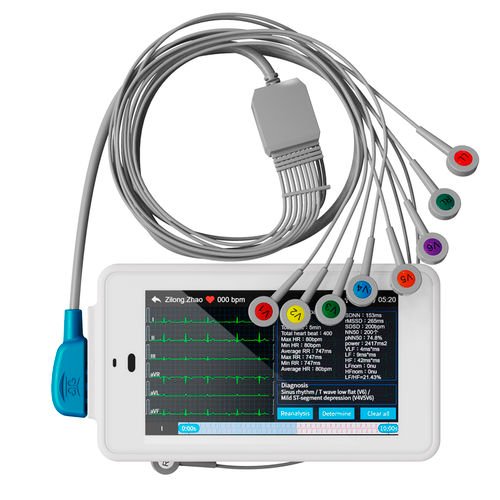
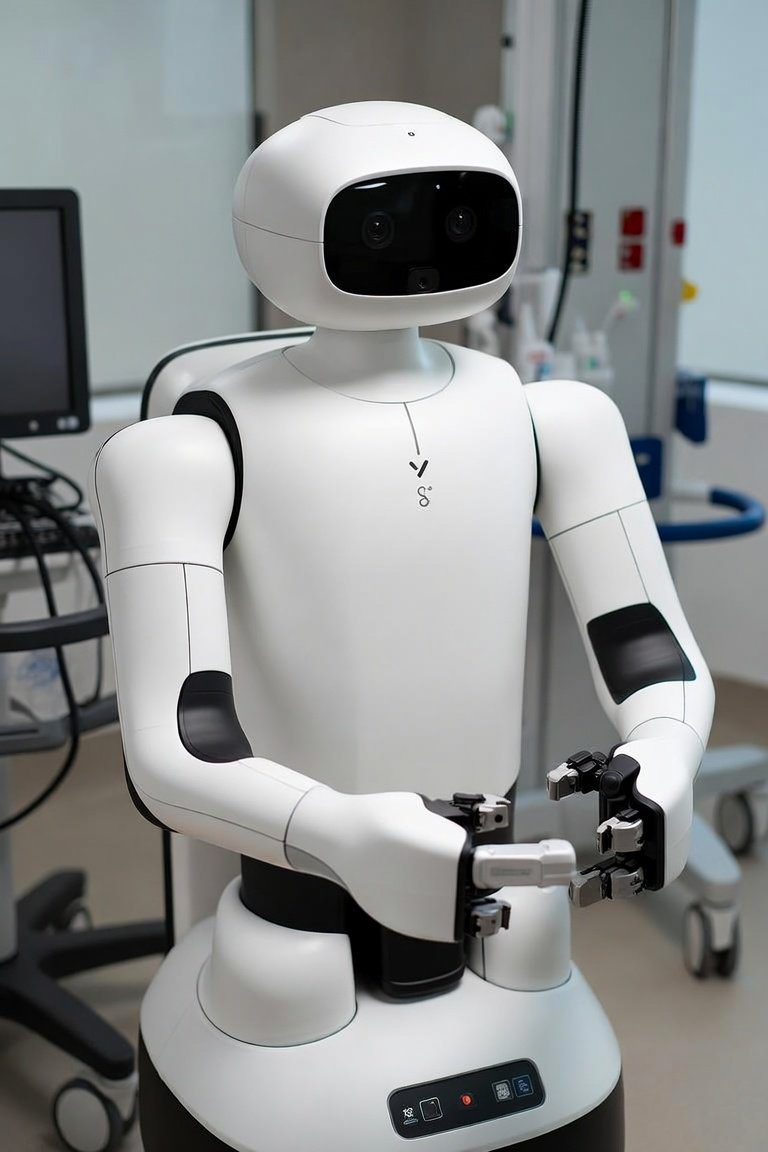
After two decades in medical technology, I have seen patient monitors evolve from bulky, single-parameter units to sleek, multiparameter powerhouses. For small clinics, the right monitor is not a luxury; it is a necessity for accurate triage, timely interventions, and patient safety. The challenge is balancing capability with cost and ease of use. Here is my breakdown of the top 10 monitors that deliver real-world value without overwhelming your staff or budget.
Key Features and Benefits to Consider
Every small clinic has unique needs, but certain features are non-negotiable. First, look for monitors with a minimum of 5 parameters: ECG, non-invasive blood pressure (NIBP), pulse oximetry (SpO2), respiration rate, and temperature. Many budget-friendly models now include these. Second, prioritize a clear, high-resolution display. A 10-inch screen is the sweet spot for readability without taking up too much counter space. Third, consider portability. Some monitors have built-in handles and rechargeable batteries, allowing you to move them between exam rooms or use them during transport. Fourth, connectivity matters. Monitors that integrate with your electronic health record (EHR) system save time and reduce transcription errors. Fifth, look for intuitive interfaces. A monitor with too many menus and buttons will slow down your workflow, especially during a busy morning.
Comparison of Top Options
Let me walk you through 10 monitors that I have seen perform well in small clinics. 1. Mindray VS 600: Excellent value with a 10.4-inch touchscreen, 5 parameters, and optional ETCO2. It is reliable and easy to clean. 2. GE Healthcare Dash 2500: A workhorse with a 12.1-inch display, robust SpO2 algorithm, and a simple menu structure. It is slightly heavier but very durable. 3. Philips SureSigns VS2+: Compact and lightweight, with a 8.4-inch screen. It excels in basic monitoring and has a long battery life. 4. Welch Allyn Connex Spot Monitor: Designed for fast spot-checking, it pairs well with Welch Allyn thermometers and blood pressure cuffs. 5. Nihon Kohden LifeScope J: Small footprint, excellent waveform clarity, and a user-friendly interface. 6. Masimo Rad-67: A handheld pulse co-oximeter that also measures NIBP. Ideal for clinics doing rapid assessments. 7. Spacelabs Healthcare Ultraview SL: A bit more advanced, with a 15-inch screen and customizable parameters. Best for clinics that see higher-acuity patients. 8. Criticare VitalCare 506DX: A budget-friendly option with 5 parameters and a 10.4-inch display. It is basic but gets the job done. 9. SunTech Oscar 2: Specializes in NIBP with motion-tolerant technology. Good for clinics focused on hypertension management. 10. Midmark IQvitals Zone: A newer entrant with a tablet-like design, wireless connectivity, and a simple app-based interface. It is excellent for small, tech-forward clinics.
What to Look For When Choosing
Beyond the brand, focus on three practical aspects. First, consider your patient population. If you see many pediatric patients, ensure the monitor has pediatric and neonatal modes. If you treat elderly patients, look for a monitor with a large, high-contrast display. Second, evaluate the total cost of ownership. Some monitors have expensive proprietary sensors or cuffs. Third, think about training. A monitor that requires extensive training will slow your staff down. I always recommend asking for a 30-day trial before committing. This allows your team to test the monitor in real clinical scenarios.
Closing Recommendation
For most small clinics, the Mindray VS 600 or GE Dash 2500 offer the best balance of features, reliability, and cost. If you need portability, the Masimo Rad-67 is hard to beat. If you want a modern, integrated system, the Midmark IQvitals Zone is worth a close look. Remember, the best monitor is the one your staff will use consistently and correctly. Invest in training, keep spare cuffs and sensors on hand, and schedule regular preventive maintenance. Your patients will thank you, and your workflow will run smoother.
Medical Devices
Top 10 Patient Monitors for Small Clinics: A Practical Guide