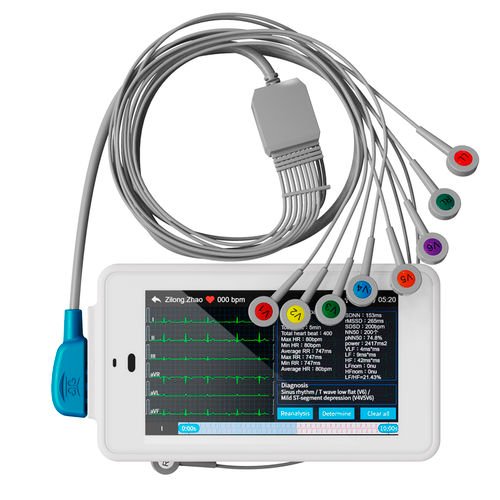
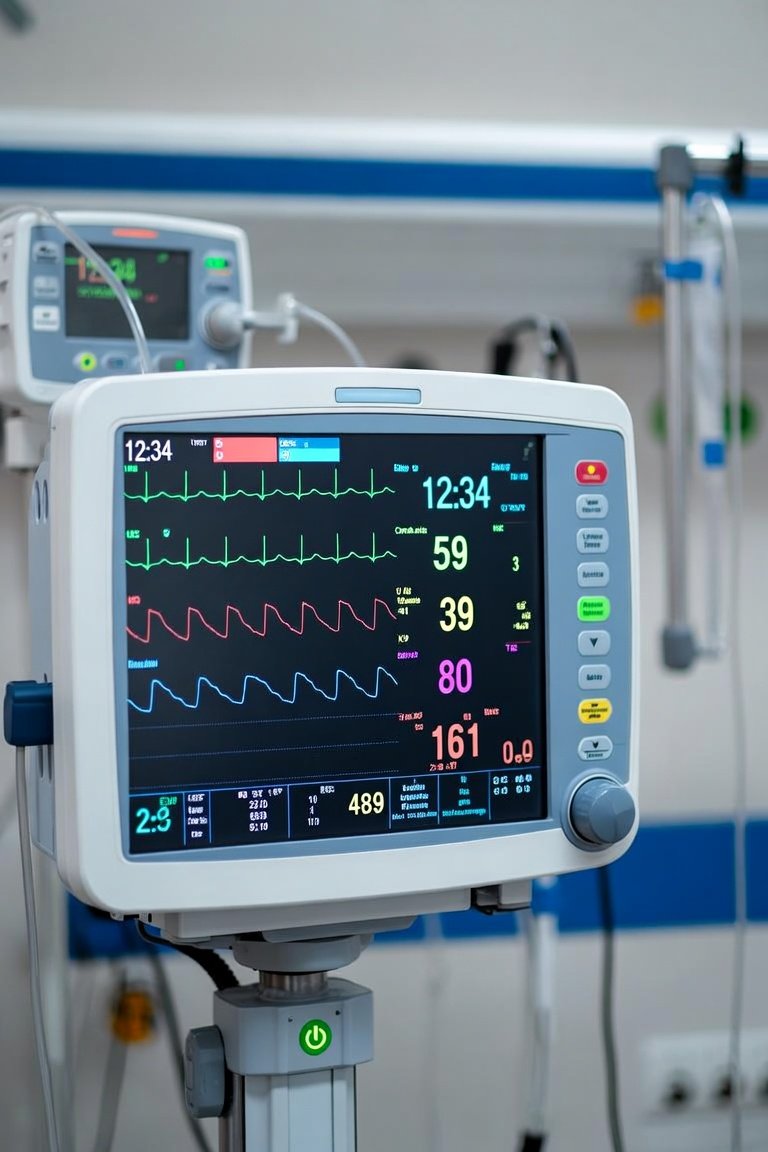
When I walk into a small clinic, I often see well-intentioned but outdated monitoring equipment that simply doesn't match the workflow. Over the past two decades, I have helped dozens of independent practices and urgent care centers select the right patient monitors. The key is not to buy the most expensive unit, but the one that fits your specific patient volume, staff training, and space constraints. Here is my list of the top 10 patient monitors for small clinics, based on reliability, ease of use, and cost-effectiveness.
1. Welch Allyn Propaq LT. This is my go-to recommendation for clinics that need a rugged, portable unit. It measures ECG, NIBP, SpO2, and temperature. Its battery life is excellent, lasting a full shift, and the interface is intuitive for nurses. Price is moderate, around 2,500 to 3,000 dollars.
2. Philips IntelliVue MP5. A workhorse for moderate-acuity patients. It offers a bright, clear display and modular design. You can add capnography later if needed. Expect to pay 3,500 to 4,500 dollars for a new unit.
3. GE Healthcare Dinamap V100. For clinics that primarily need blood pressure monitoring with basic ECG, this is a solid choice. It is very simple to operate, almost no learning curve. Price is around 1,800 dollars.
4. Mindray uMEC12. This is a fantastic value monitor for small clinics. It has a 12.1-inch touchscreen, measures ECG, NIBP, SpO2, and temperature, and includes a built-in recorder. Price is roughly 1,500 to 2,000 dollars.
5. Nihon Kohden Life Scope VS. Known for its exceptional ECG analysis and arrhythmia detection. It is slightly more expensive, around 4,000 dollars, but worth it if you see many cardiac patients.
6. Bionet BM3. A compact, lightweight monitor that is easy to move between exam rooms. It measures vital signs quickly and has a large, easy-to-read display. Price is under 2,000 dollars.
7. Masimo Rad-67. This is not a full multiparameter monitor but a spot-check device that excels in SpO2 and pulse rate accuracy. Ideal for fast triage in busy clinics. Price is about 1,200 dollars.
8. Criticare VitalCare 506DN3. A durable, no-frills monitor that handles ECG, NIBP, and SpO2 reliably. It is a bit older in design but very dependable. Price is around 1,000 to 1,500 dollars.
9. Edan M3. A well-built monitor with a 8.4-inch display and a long battery life. It is popular in urgent care settings for its balance of features and cost. Price is about 1,800 dollars.
10. Spacelabs Healthcare 90369. A classic, heavy-duty monitor that is still in use in many clinics. It is bulky but extremely reliable. You can often find refurbished units for under 1,000 dollars.
When comparing these monitors, focus on three things: the types of patients you see, the space you have, and the training time for your staff. For example, if you run a busy family practice, the Mindray uMEC12 or Welch Allyn Propaq LT are excellent choices because they are easy to use and cover all basic parameters. If you have a cardiac-focused clinic, invest in the Nihon Kohden for its arrhythmia analysis. For a small urgent care center, the GE Dinamap V100 or Bionet BM3 provide reliable, quick vital signs without overwhelming your staff with complex menus.
What you should look for in any monitor is a clear, adjustable display, intuitive navigation, and the ability to save and export data. Also, consider the availability of local service and replacement parts. A monitor that breaks down and takes weeks to repair is a liability. I always recommend buying from a distributor that offers a one-year warranty and on-site training.
My closing recommendation is simple: start with a monitor that covers your most common needs and has room to grow. The Mindray uMEC12 offers the best value for most small clinics, while the Welch Allyn Propaq LT is unbeatable for portability. Do not overspend on features you will not use, but do not skimp on reliability. Your patients and your staff deserve equipment that works every single day.
Medical Devices
Top 10 Patient Monitors for Small Clinics: A Practical Guide