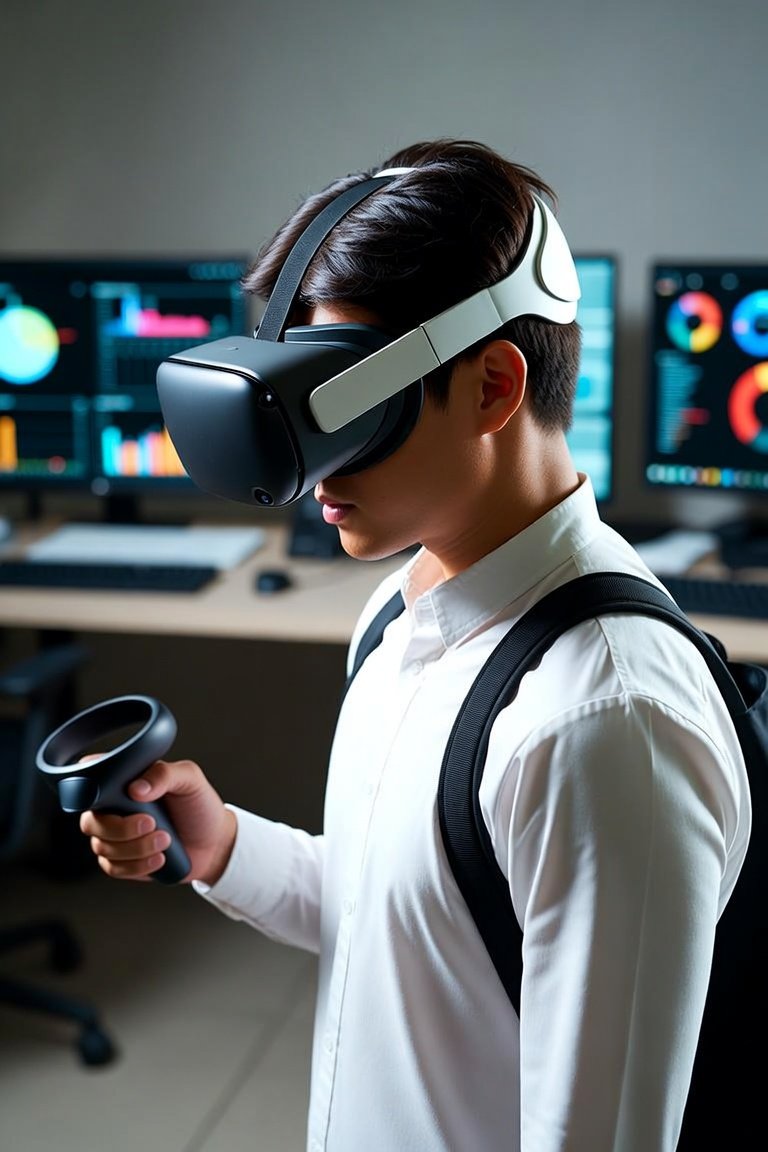
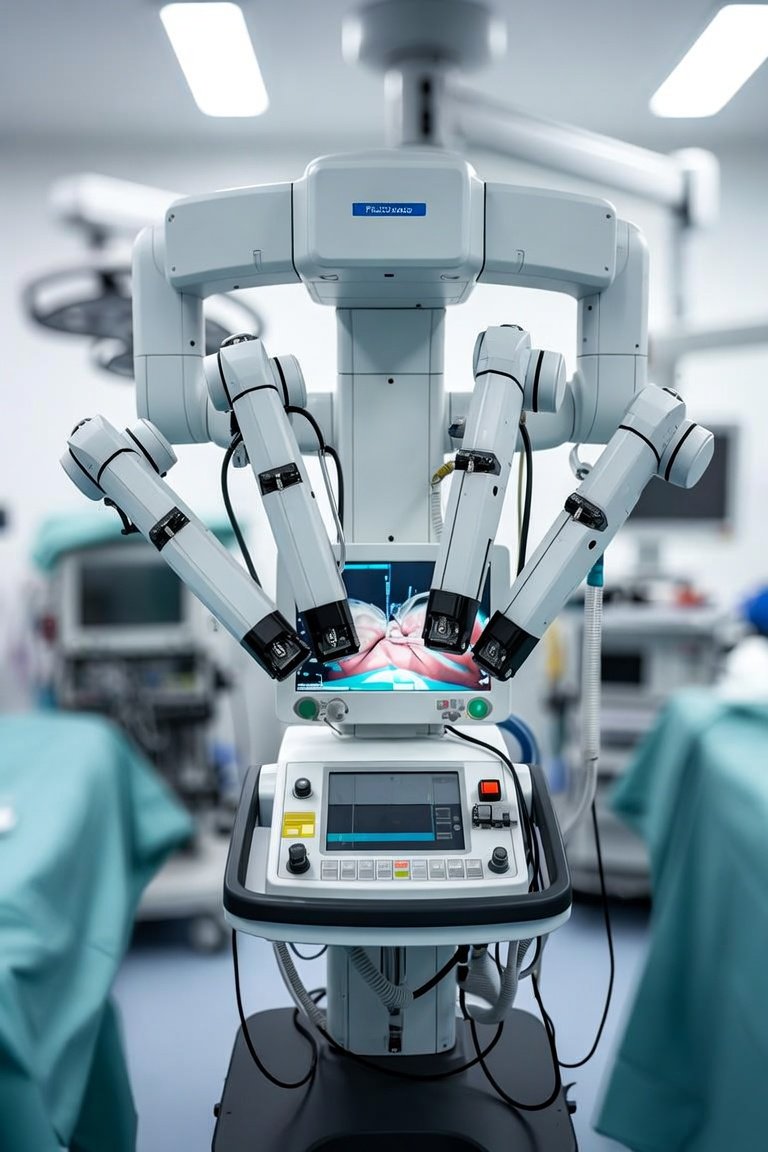
I have spent two decades evaluating medical technology, and I can tell you that virtual reality (VR) is not a gimmick. It is a practical, evidence-based tool that is fundamentally changing how we teach procedural skills, anatomy, and clinical decision-making. The days of relying solely on cadavers, plastic mannequins, or the "see one, do one, teach one" model are giving way to immersive, repeatable, and data-rich training environments. Let me walk you through what actually works.
The core advantage of VR lies in three distinct areas. First, it offers UNLIMITED REPETITION without cost or ethical concerns. A resident can practice a central line insertion twenty times in a row, with the system tracking their needle angle, depth, and sterile technique. Second, it provides OBJECTIVE PERFORMANCE METRICS. Unlike a human preceptor who might miss a subtle hand tremor or a slight deviation in trajectory, VR software records every movement. You get a report on time-to-complete, economy of motion, and error count. Third, it enables EXPOSURE TO RARE BUT CRITICAL SCENARIOS. A surgeon can experience a massive hemorrhage during a laparoscopic cholecystectomy or a code blue in a pediatric ICU without any patient risk. This builds pattern recognition for events that might otherwise take years to encounter.
When comparing VR systems, you need to look at the hardware and the software ecosystem separately. For hardware, the current market leaders are the Meta Quest 3 and the HTC Vive Focus 3. The Quest 3 is lighter, cheaper, and has excellent hand tracking, making it ideal for high-volume training in nursing and medical student programs. The Vive Focus 3 offers higher resolution and a wider field of view, which is better for delicate microsurgery simulations. For the software, you have platforms like FundamentalVR, which uses haptic feedback gloves to simulate the feel of tissue resistance, and Osso VR, which is heavily focused on orthopedic surgical workflows. A key feature to demand is MULTI-USER CAPABILITY. The best systems allow a trainee and a remote instructor to be in the same virtual room, with the instructor able to point at anatomy or highlight errors in real time. This is far superior to a simple recording.
What should you look for when evaluating a VR training system for your institution? Ignore the flashy graphics and focus on three pillars. First, VALIDATED CURRICULUM. Does the software have peer-reviewed studies showing that trainees who use it perform better in the OR or clinic? Second, INTEGRATION WITH YOUR EXISTING LMS. The system should automatically export performance data to your learning management system, saving your administrative staff hours of manual data entry. Third, HARDWARE DURABILITY. Medical training environments are rough. Look for headsets with replaceable face cushions and controllers that can withstand being dropped. I have seen programs fail because the hardware was not designed for daily, high-use scenarios.
My closing recommendation is straightforward. Start small. Do not try to replace your entire simulation lab overnight. Purchase two headsets and one software license for a specific, high-stakes procedure like central line placement or bronchoscopy. Run a six-month pilot with a cohort of residents. Measure their confidence scores and procedural times against a control group. The data will speak for itself. VR is not the future of medical training. It is the present, and it is ready for your operating room.
Innovations & Tech
Virtual Reality in Medical Training: Beyond the Hype