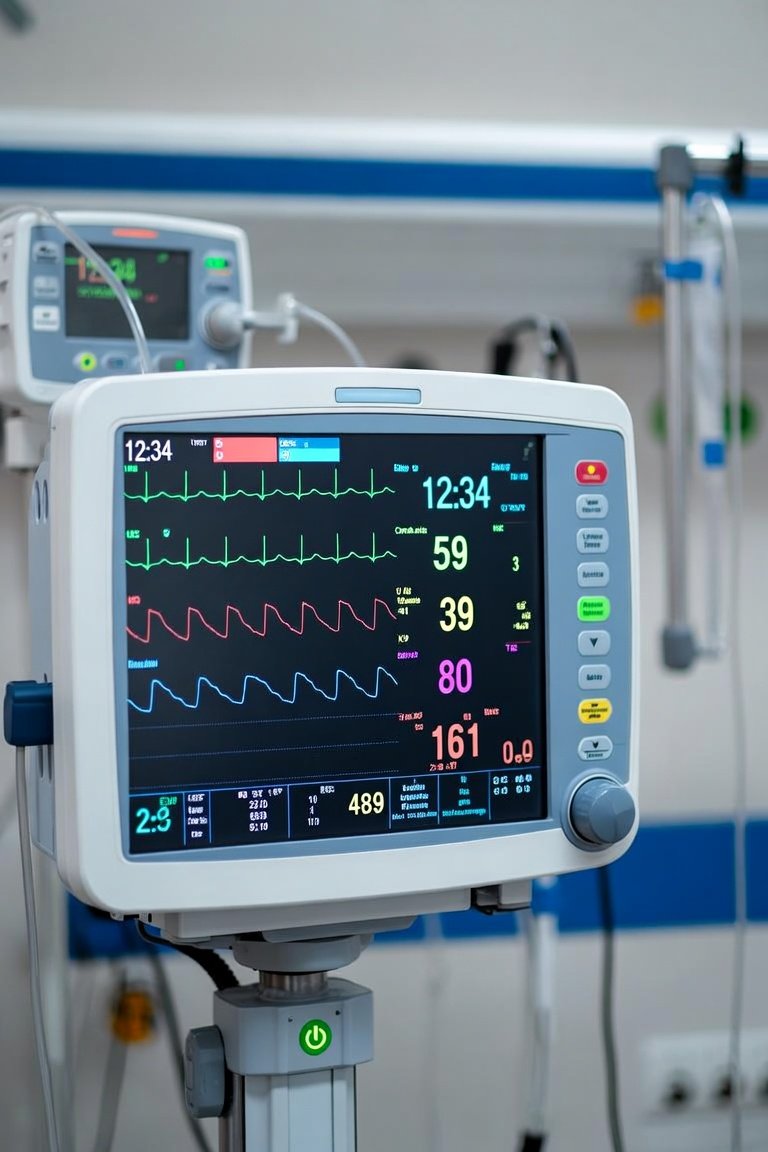
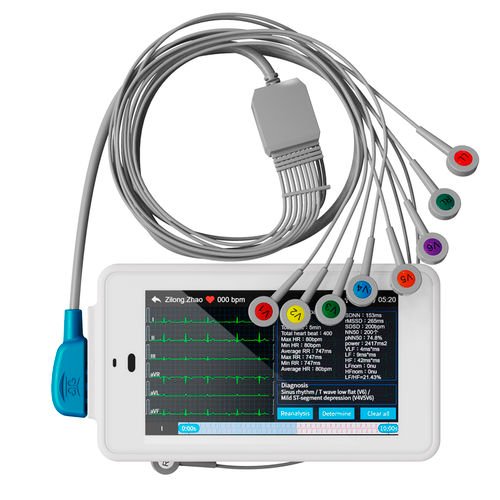
I have spent the better part of two decades watching hospital telemetry evolve from clunky, lead-bound carts to sleek, wearable patches. The promise of wireless vital sign monitoring is immense, but the reality requires a careful, practical eye. Let me walk you through what works, what doesn't, and what you need to know before your facility makes the switch.
The most immediate advantage is PATIENT MOBILITY. A patient recovering from surgery can walk the hallway, use the bathroom, or even go to radiology while their heart rate, respiratory rate, and oxygen saturation stream continuously to the central nursing station. This reduces fall risk and improves patient satisfaction. For the clinical team, it means fewer alarms from motion artifact and less time untangling cables. The data is cleaner because the device stays on the patient, not tangled in the bedrails.
However, the technology is not without its trade-offs. Here are the key pros and cons I have seen in real-world deployment:
1. CONNECTIVITY RELIABILITY. Most wireless monitors use Bluetooth Low Energy or a proprietary radio frequency. In a busy unit with concrete walls, metal equipment, or multiple overlapping signals, you WILL experience dropouts. I have seen units where a patient walking into a bathroom thirty feet away loses the signal entirely. You must map your facility's RF environment before deployment. A simple site survey can save you hours of troubleshooting.
2. BATTERY LIFE. A typical wearable patch lasts 5 to 7 days. That sounds good until you realize a patient with pneumonia might be monitored for two weeks. You will need a system that alerts you when the battery reaches 20 percent, or you will lose data overnight. Some units use disposable batteries, others rechargeable. Disposables are simpler but create waste and cost. Rechargeables require a docking station and staff discipline to return them.
3. ACCURACY UNDER MOTION. The best wireless monitors use advanced algorithms to filter out movement artifact. The worst simply freeze the reading or generate false alarms. I always recommend testing a unit with a volunteer who walks, talks, and moves their arms. A monitor that fails during a coughing fit is useless for a respiratory patient.
When comparing systems, look at the CENTRAL MONITORING PLATFORM. Some wireless monitors integrate seamlessly with your existing electronic health record. Others require a separate gateway and software, which means a second screen for the nursing staff. I have seen units where the nurse must log into a tablet to see the waveform, then log into the EHR to document it. That is a recipe for missed data.
Another critical factor is the LEAD CONFIGURATION. Some wireless monitors use a single-lead ECG patch. This is fine for basic heart rate and rhythm, but it cannot detect ST-segment changes or a true 12-lead ischemia. If your unit sees cardiac patients, you need a device that offers at least a 5-lead equivalent. Also, consider the SKIN ADHESIVE. Some patches cause irritation after 48 hours, especially in elderly or diaphoretic patients. I recommend trialing the adhesive on a small group of staff members before buying in bulk.
What to look for in a purchase decision: First, demand a 30-day trial on your busiest unit. Second, ask the vendor for their interference data near common equipment like infusion pumps and ventilators. Third, check the alarm management software. Can you set different thresholds for different patients? Can you delay alarms for artifact? The best systems learn from your unit's noise patterns.
My closing recommendation is this: Wireless vital sign monitors are not a replacement for hardwired telemetry in high-acuity settings. They are a supplement. Use them for step-down units, med-surg floors, and patients who need mobility but not continuous invasive monitoring. Start with a small pilot, train your staff on the specific limitations, and always have a backup wired monitor available. The freedom is real, but it must be earned through careful testing and honest evaluation of your facility's unique environment.
Medical Devices
Wireless Vital Sign Monitors: Balancing Freedom with Function