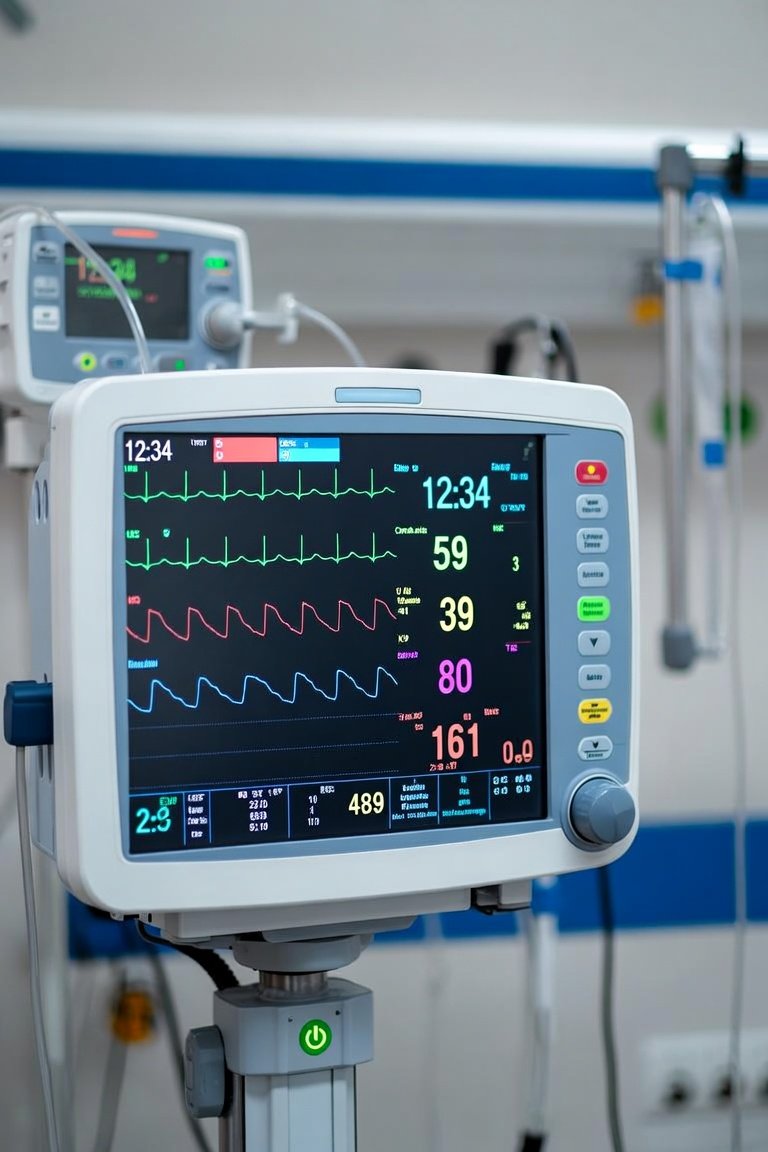
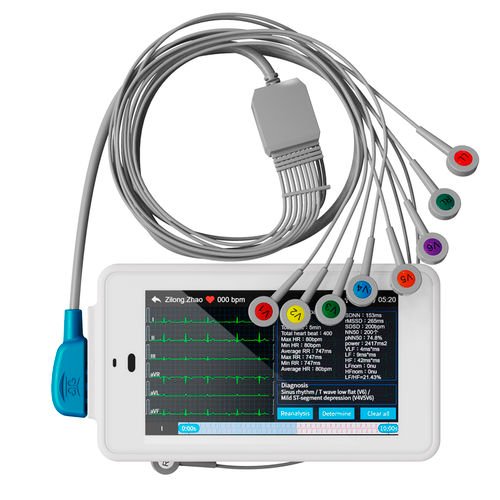
I have spent two decades in medical technology, and I have watched wireless vital sign monitors evolve from a niche novelty into a mainstream tool. They promise patient mobility, reduced alarm fatigue, and streamlined workflows. But like any technology, they come with trade-offs that every clinical team must understand. Let me break down the real-world pros and cons based on what I have seen on the floor.
The primary advantage is patient freedom. Traditional wired monitors tether a patient to a bedside pole, limiting movement and increasing fall risk. Wireless monitors use small, battery-powered patches or cuffs that transmit data via Bluetooth or Wi-Fi. This allows patients to walk the hallway, use the bathroom, or even sit in a chair without losing continuous monitoring. For telemetry units and step-down wards, this is a game-changer. Data is sent to a central station and often to a smartphone or tablet for the nurse, reducing the need for constant visual checks.
Another major pro is reduced alarm fatigue. Wired systems generate alarms for lead disconnects, motion artifact, and battery issues. Wireless systems use advanced algorithms to filter out noise. Many units only alarm for truly critical events, like asystole or ventricular tachycardia. I have seen facilities cut non-actionable alarms by 60 percent after switching to wireless patches. This saves nursing time and reduces burnout.
But there are significant cons. The biggest is signal reliability. Wireless monitors depend on a robust network infrastructure. If your hospital has dead zones, thick walls, or interference from other devices, you will lose data. I have been called to units where a patient walked into an elevator and the monitor went blank for 30 seconds. That is unacceptable for a critically ill patient. Always test signal strength in every patient room and hallway before deployment.
Battery life is another limitation. Most wireless patches last 5 to 7 days, but if a patient is in the ICU for weeks, you will need to replace the patch. This adds cost and a small risk of skin irritation from adhesive. Also, the patches are single-use in many models, which increases supply chain demands. For a 30-bed unit, you might need 150 patches per month.
Data accuracy can also vary. Wireless monitors use photoplethysmography for oxygen saturation and impedance for respiration. These are less accurate than wired finger probes and chest leads in patients with poor perfusion, edema, or excessive movement. For stable patients, this is acceptable. For a patient in shock, I still prefer a hardwired system.
When comparing options, consider the type of monitor. There are patch-based systems like the VitalConnect or Philips Biosensor. These are best for general ward monitoring. Then there are wireless cuffs, like the Welch Allyn Spot Vital Signs, which are good for spot checks but not continuous. For high-acuity areas, look for monitors with dual transmission: both Wi-Fi and cellular backup. This ensures data continues even if the network fails.
What should you look for when choosing a system? Focus on three things: signal redundancy, battery life, and interoperability. Ensure the monitor can store data locally for at least 24 hours if the network goes down. Check that the battery lasts the entire length of stay. And confirm the monitor integrates with your existing electronic medical record. If it does not auto-populate the chart, you lose the efficiency gain.
In closing, wireless vital sign monitors are a powerful tool, but they are not a replacement for wired systems in every setting. Use them for ambulatory patients, step-down units, and telemetry. Keep wired monitors for ICUs and high-risk patients. Test your network thoroughly. And train your staff on signal loss procedures. If you follow these steps, you will get the benefits of mobility without compromising safety.
Medical Devices
Wireless Vital Sign Monitors: Balancing Freedom and Reliability