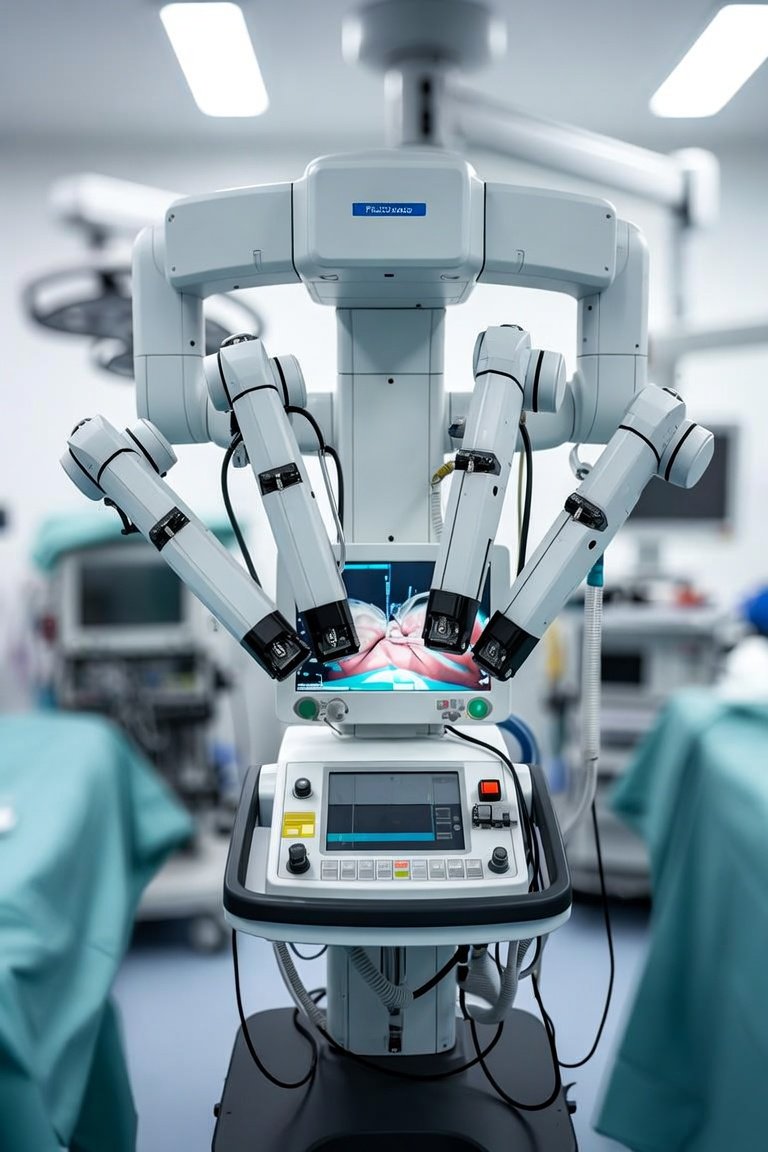
After two decades in medical technology, I have watched robotic platforms evolve from experimental curiosities into essential tools across orthopedics, neurosurgery, and general surgery. Today, AI-assisted surgery is no longer a futuristic concept but a practical reality that demands your attention. The question is no longer whether to adopt it, but how to integrate it safely and effectively into your practice.
Let me share what I have learned from working with hundreds of surgeons and dozens of systems. First, understand the core components. Most AI-assisted systems combine three elements: preoperative planning software that analyzes patient imaging, intraoperative navigation that tracks instruments in real time, and decision-support algorithms that flag critical structures. The key benefit is consistency. Studies consistently show reduced variability in outcomes, especially for complex procedures like total knee arthroplasty or tumor resections. However, you must remember that AI is a tool, not a replacement. The surgeon remains responsible for every decision.
When comparing platforms, focus on three factors: accuracy, workflow integration, and cost. For accuracy, look for systems with sub-millimeter registration and real-time error detection. The best platforms automatically pause or alert you if instruments deviate from the planned path. For workflow, consider how the system fits into your existing OR setup. Some require dedicated CT or MRI protocols, while others work with standard imaging. Cost is more than the purchase price. Factor in maintenance contracts, disposable instruments, and training time for your team. I recommend starting with a single specialty, such as robotic-assisted knee replacements, before expanding.
What should you look for in a system? First, demand clinical evidence specific to your procedure. Do not rely on manufacturer claims alone. Ask for peer-reviewed studies with at least two-year follow-up. Second, evaluate the user interface. The best systems have intuitive touchscreens and voice controls that minimize distraction. Third, check the learning curve. Most surgeons need 15 to 20 cases to reach proficiency, but some platforms offer simulation modules that reduce this. Fourth, verify data security. AI systems generate massive datasets, and you must ensure HIPAA compliance and encryption for patient information.
I have seen too many surgeons rush into adoption without proper training. My advice is to visit a center of excellence and observe at least five cases. Talk to the OR staff, not just the lead surgeon. They will tell you about hidden issues like setup time, instrument jams, or software glitches. Also, negotiate a service agreement that includes remote troubleshooting and on-site support for the first year.
Finally, remember that AI-assisted surgery is a partnership. The technology excels at pattern recognition and spatial precision, but it cannot replace your clinical judgment. Use it to enhance your skills, not to bypass them. The surgeons who succeed are those who embrace the learning process and remain critical thinkers.
In summary, AI-assisted surgery offers real benefits in accuracy and consistency, but it requires careful selection, thorough training, and ongoing evaluation. Start small, verify evidence, and prioritize workflow integration. Your patients will benefit from your informed choice.
Innovaciones y Tecnología
AI-Assisted Surgery: What Doctors Need to Know