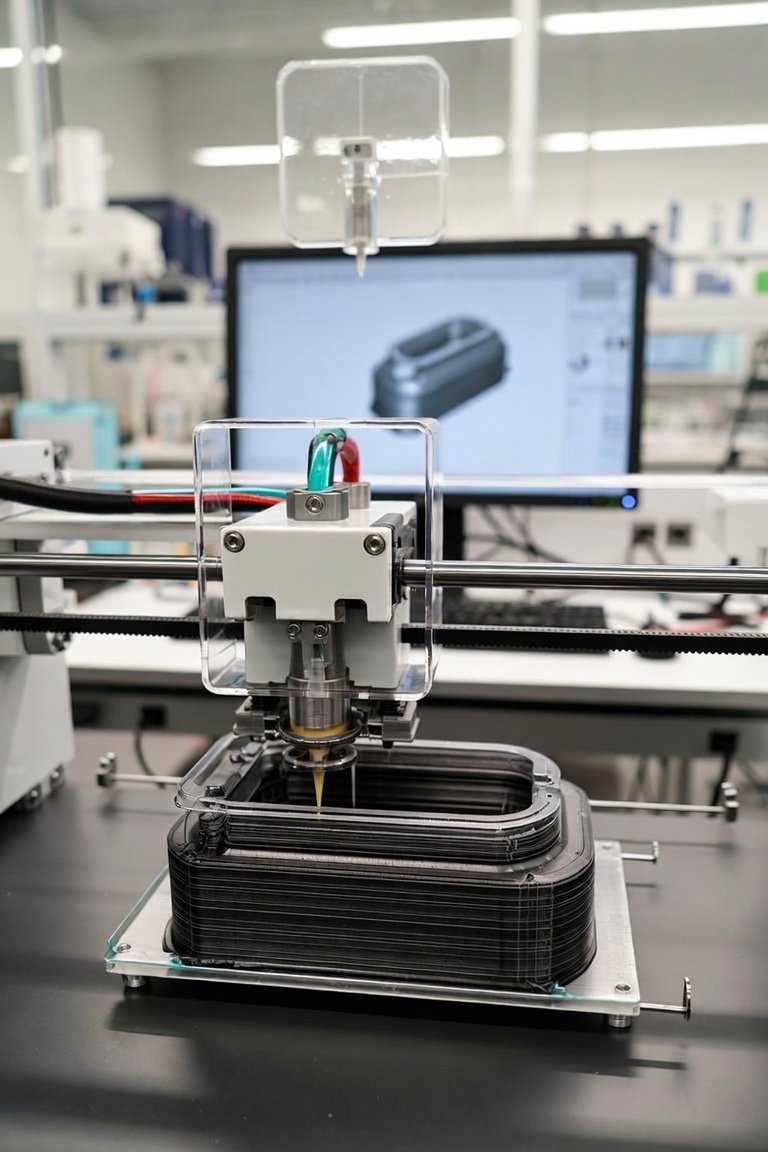
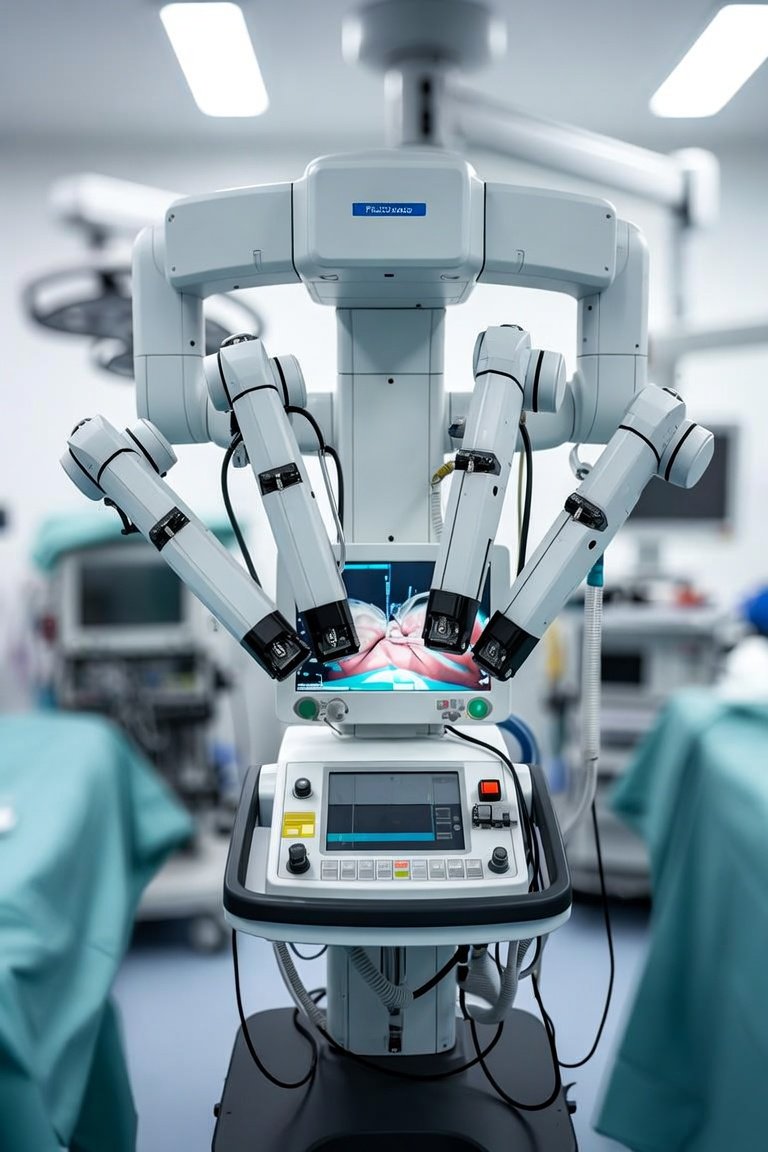
After two decades in medical technology, I have watched surgical robotics evolve from experimental curiosities into essential tools. Today, AI-assisted surgery is not science fiction. It is a clinical reality that is reshaping how we plan, perform, and evaluate procedures. For the practicing surgeon, understanding what this technology offers and what it demands is critical. Let me break down the practical aspects you need to know right now.
The core value of AI in the operating room lies in three areas: preoperative planning, intraoperative guidance, and postoperative analysis. First, AI algorithms can process CT, MRI, and ultrasound data to create detailed 3D models of a patient’s anatomy. This allows you to rehearse complex steps before making the first incision. Second, during surgery, AI systems can overlay critical structures onto your endoscopic view, such as highlighting blood vessels or nerve bundles in real time. This is not a replacement for your judgment but a powerful assist. Third, after the case, AI can analyze video footage to identify instrument movements and tissue interactions, giving you objective data to refine your technique. The practical benefit is reduced operative time, fewer complications, and a shorter learning curve for new procedures.
When comparing current systems, you will find two main categories: dedicated robotic platforms and AI-enhanced laparoscopic tools. The most established platforms, like the da Vinci Xi, now integrate AI modules that track instrument positions and provide haptic feedback. Newer entrants, such as the Medtronic Hugo and CMR Surgical Versius, offer modular arms and open consoles, which some surgeons find less restrictive. For laparoscopic surgery, companies like Stryker and Olympus are embedding AI into camera systems that automatically adjust focus, brightness, and even predict the next area of interest based on instrument movement. The key difference is cost and workflow. Robotic systems require a capital investment of 1.5 to 2.5 million dollars and dedicated OR space. AI-enhanced laparoscopy can be added to existing setups for a fraction of that cost, often as a software upgrade. For a hospital looking to start, I recommend trialing a modular system first to assess your team’s comfort and the specific needs of your patient population.
What should you look for when evaluating AI-assisted surgery equipment? Focus on three things: data integration, latency, and training support. The system must seamlessly pull patient data from your existing PACS and EMR without manual input. If the AI requires separate data entry, it will slow you down. Latency is crucial. Any delay between your movement and the AI’s response can be dangerous. Ask for a live demonstration in a simulated OR environment, not just a video. Finally, training is non-negotiable. The best AI system is useless if your team does not trust it. Look for vendors that offer hands-on simulation training, not just online modules. Ask about their policy for software updates. AI models improve over time, and you want a system that learns without requiring a hardware replacement every two years.
In summary, AI-assisted surgery is a tool, not a miracle. It excels at pattern recognition, spatial awareness, and data processing. It cannot replace your experience, your intuition, or your ability to handle the unexpected. The smartest approach is to start small. Pick one procedure, such as a laparoscopic cholecystectomy or a robotic prostatectomy, and integrate AI guidance for that specific case type. Measure your outcomes: operative time, blood loss, complication rates. Compare them to your historical data. Only then expand to other procedures. The technology is ready. The question is whether your OR is ready to adapt. Invest in the training, test the integration, and let the data guide your next step. That is what twenty years of watching medical technology has taught me.
Innovaciones y Tecnología
AI-Assisted Surgery: What Doctors Need to Know