Selecting clinic management software for 2026 is not about chasing the newest feature. It is about finding a system that integrates seamlessly into your existing workflow, reduces administrative burden, and prepares your practice for the next wave of healthcare regulations. After two decades in medical technology, I have seen systems that promised the moon but delivered only complexity. The right choice is practical, reliable, and scalable.
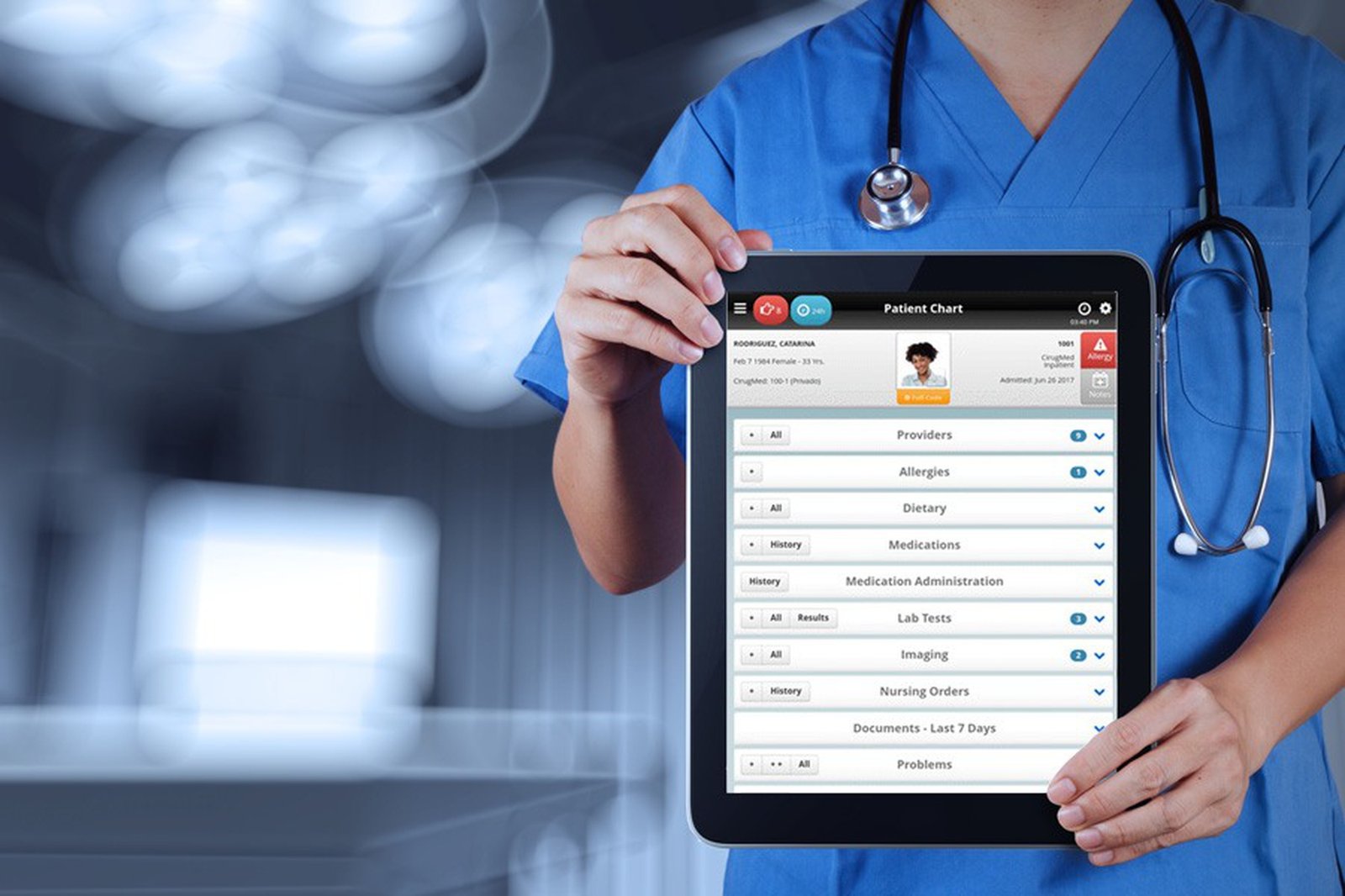
The core of any good clinic management system in 2026 will be its ability to handle three critical functions without friction. First, scheduling must be intelligent. Look for software that offers automated appointment reminders via text and email, and that can manage waitlists and double-booking prevention automatically. Second, billing and claims management must be robust. The system should support real-time eligibility checks and electronic claim submission with a high first-pass acceptance rate. Third, patient engagement tools are no longer optional. A patient portal that allows secure messaging, access to lab results, and online payment is now a baseline expectation.
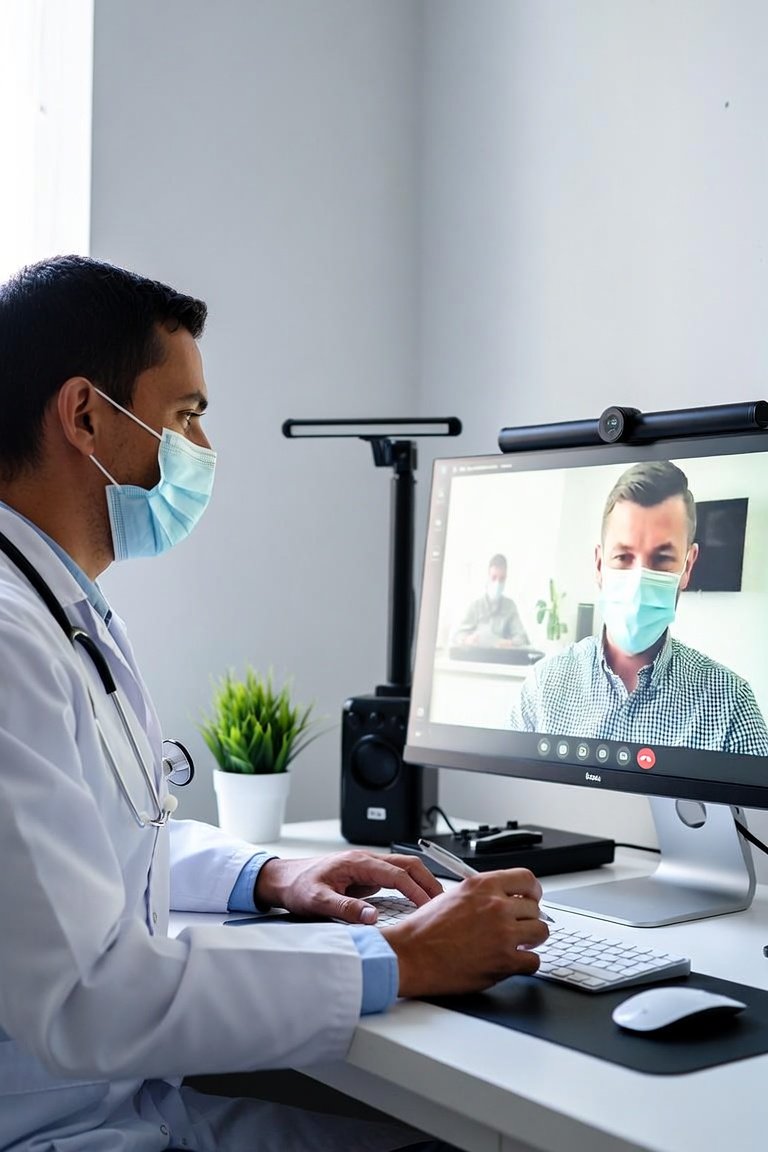
When comparing options, consider your practice size and specialty. For a small to mid-sized clinic, systems like AdvancedMD or Kareo offer strong all-in-one solutions with good customer support. They are not the flashiest, but they are stable and well-tested. For larger multi-specialty groups, Epic and Cerner remain dominant, but their cost and complexity can be overwhelming. A newer contender, like SimplePractice, is excellent for mental health and therapy practices due to its intuitive interface and strong telehealth integration. Do not overlook cloud-based systems. They offer automatic updates, lower upfront hardware costs, and better data security through encryption. In 2026, any system that requires on-premise servers is a liability.
What should you look for specifically? Interoperability is paramount. Your software must be able to exchange data with hospitals, labs, and pharmacies using HL7 or FHIR standards. If it cannot, you will be stuck with manual data entry and increased error rates. Also, check for robust reporting capabilities. You need to generate custom reports on patient demographics, revenue cycles, and clinical outcomes. Finally, test the mobile app. Your clinicians will use it on the go for charting and e-prescribing. If the app is clunky or crashes, the system will fail in daily use.
My recommendation is to start with a free trial of two or three systems that match your specialty. Involve your front desk staff and billing team in the evaluation. They are the ones who will use it most. Ask the vendor about their roadmap for 2026 and beyond. Are they investing in AI-driven coding assistance or voice-to-text documentation? These features will save you hours each week. Do not be swayed by marketing hype. The best clinic management software is the one that your team will actually use consistently, without frustration, and that keeps your patients satisfied and your revenue flowing.
Gestión de Clínicas
Best Clinic Management Software for 2026: A Practical Guide for Medical Practices