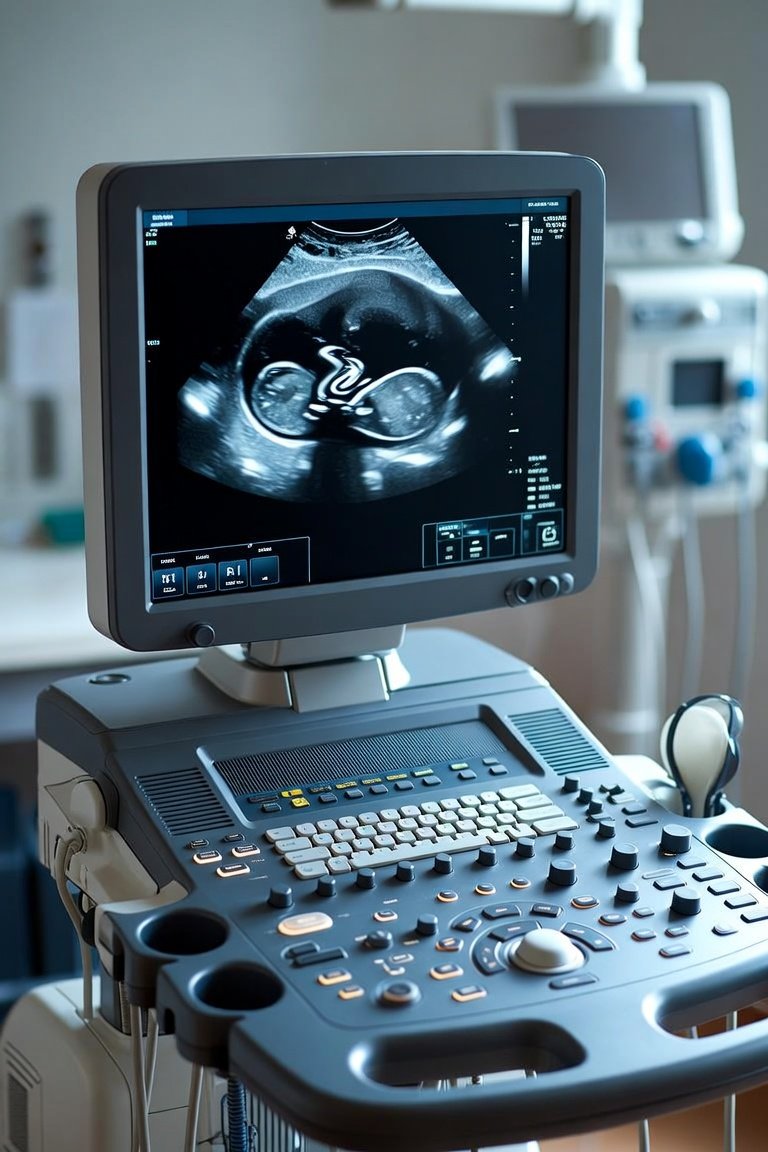
Starting a dental practice is an exciting venture, but the sheer volume of equipment choices can be overwhelming. After two decades in medical technology, I have seen countless new clinics open and close, and the single most common factor in their success is not the location or the decor, but the reliability and practicality of their core equipment. You do not need the most expensive chair or the flashiest X-ray unit to succeed. You need tools that work, are easy to maintain, and support your clinical workflow without constant downtime.
Let us begin with the treatment center, which is your primary workstation. The dental chair and delivery system are your most significant investment. Look for a chair with a stable, articulating headrest and a thin backrest for optimal patient and clinician positioning. The delivery system, whether over-the-patient, side, or rear-mounted, must allow you to access instruments without twisting your body. A common mistake is buying a chair with too many features you will never use. Focus on a proven, reliable pneumatic system with a good warranty. Avoid the cheapest models; they often have weak hydraulics and flimsy armrests that fail within two years.
Next, consider your imaging needs. For a general practice, a digital intraoral sensor is non-negotiable. The two main types are CMOS and CCD. CMOS sensors are more durable and less expensive, but they can be slightly thicker, which may cause patient discomfort. CCD sensors are thinner and produce sharper images, but they are more fragile and costly. My recommendation for a starter practice is a high-quality CMOS sensor from a reputable brand like Dentsply Sirona or Carestream. Pair it with a phosphor plate system for bitewings and panoramic imaging. Skip the CBCT for now unless you plan to place implants immediately. A panoramic machine from Planmeca or Soredex offers excellent value and reliability.
Handpieces are the workhorses of your practice. You need at least two high-speed and two low-speed handpieces per operatory. Do not buy the cheapest handpieces on the market. They will fail quickly and require expensive repairs. Invest in mid-range options from NSK or W&H. These brands offer good torque, reliable spray systems, and are easy to maintain. For low-speed handpieces, choose a model with a built-in fiber optic light and a push-button chuck for quick bur changes. Always buy a lubricant and cleaning system from the same manufacturer to maintain performance.
Sterilization is another area where you cannot cut corners. A Class B autoclave is the gold standard for dental practices. It cycles faster and is more effective at sterilizing pouches and wrapped instruments than a Class N autoclave. Look for a model with a built-in printer and a water reservoir that is easy to refill. Brands like Tuttnauer and Midmark are industry standards for a reason. They are built to last and have excellent service networks. Also, invest in a good ultrasonic cleaner for removing debris before sterilization. Do not skip this step; it is critical for instrument longevity.
Finally, do not forget the basics: a reliable compressor and a dry vacuum system. A noisy compressor will disturb patients and staff. Choose a silent oil-free compressor from a brand like Kaeser or Air Techniques. For suction, a dry vacuum system is quieter and more efficient than a wet system, though it requires a bit more maintenance. Ensure your plumbing can handle the load, especially if you plan to add more operatories later.
In summary, start with a solid treatment center, a reliable digital sensor, quality handpieces, a Class B autoclave, and a quiet compressor. Avoid the temptation to buy everything at once. Add specialized equipment like lasers or microscopes as your practice grows and your clinical needs become clearer. A well-equipped practice is not about having the most gadgets; it is about having the right tools that let you focus on your patients. Invest wisely, maintain your equipment regularly, and your practice will thrive.
Equipamiento Clínico
Equipping a Dental Practice: The Essential Starter Guide