Starting a dental practice is an exciting venture, but the equipment choices you make will define your clinical capabilities and your patient’s experience for years to come. I have seen many new practitioners make costly mistakes by prioritizing aesthetics over function or by buying equipment that doesn’t match their actual workflow. Let me walk you through the core items you absolutely need, based on real-world performance and long-term reliability.
The treatment center, or dental chair, is the heart of your operatory. Do not skimp here. Look for a chair with a smooth, programmable entry and exit function, a delivery system that allows you to keep instruments within your natural reach, and a cuspidor with a reliable water trap. The most common mistake is buying a chair with a narrow base that feels unstable when a patient moves. Insist on a chair with a steel frame and a weight capacity of at least 300 pounds. For the handpiece system, you have two main paths: electric or air-driven. Electric handpieces offer constant torque at low speeds, which is critical for crown preps and implant work. Air-driven handpieces are lighter and less expensive, but they stall easily under heavy load. If you plan to do any restorative work beyond basic fillings, invest in one electric handpiece per operatory. Pair it with a quality scaler, preferably a piezoelectric unit, as it is gentler on the tooth surface and more efficient than magnetostrictive models for heavy calculus removal.
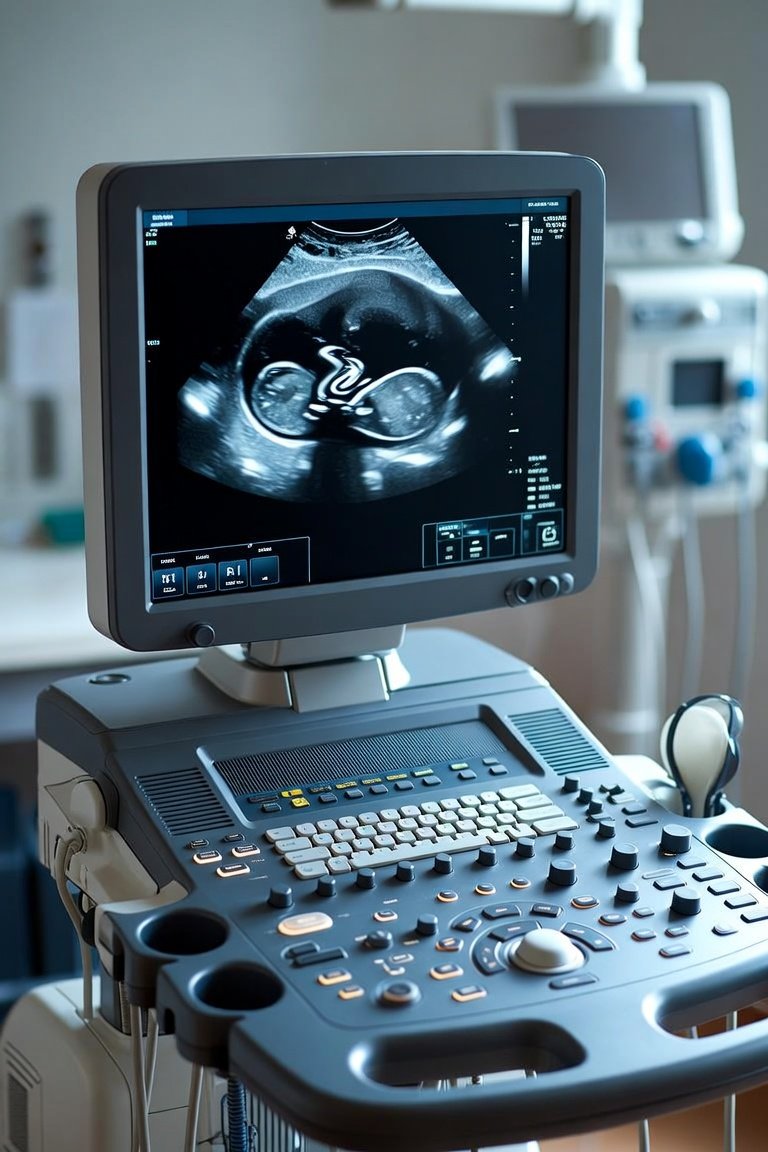
For imaging, the digital sensor is non-negotiable. You will need a size 2 sensor for bitewings and periapicals, and a size 0 or 1 for pediatric patients. The key spec is the sensor’s active area and its DPI (dots per inch). A sensor with a 30 x 40 mm active area and 20 line pairs per millimeter resolution will give you diagnostic quality images without the bulk of older models. Do not forget the X-ray tube head. A 60 to 70 kV unit with a 0.4 mm focal spot is standard, but if you plan to take any cephalometric images, you need a unit that can handle a longer exposure time without overheating. For three-dimensional imaging, consider a cone-beam CT (CBCT) unit. The field of view is critical. A small FOV (5x5 cm) is sufficient for single tooth implants, while a large FOV (12x12 cm or more) is needed for orthodontic planning and airway analysis. I recommend starting with a medium FOV unit that covers both needs.
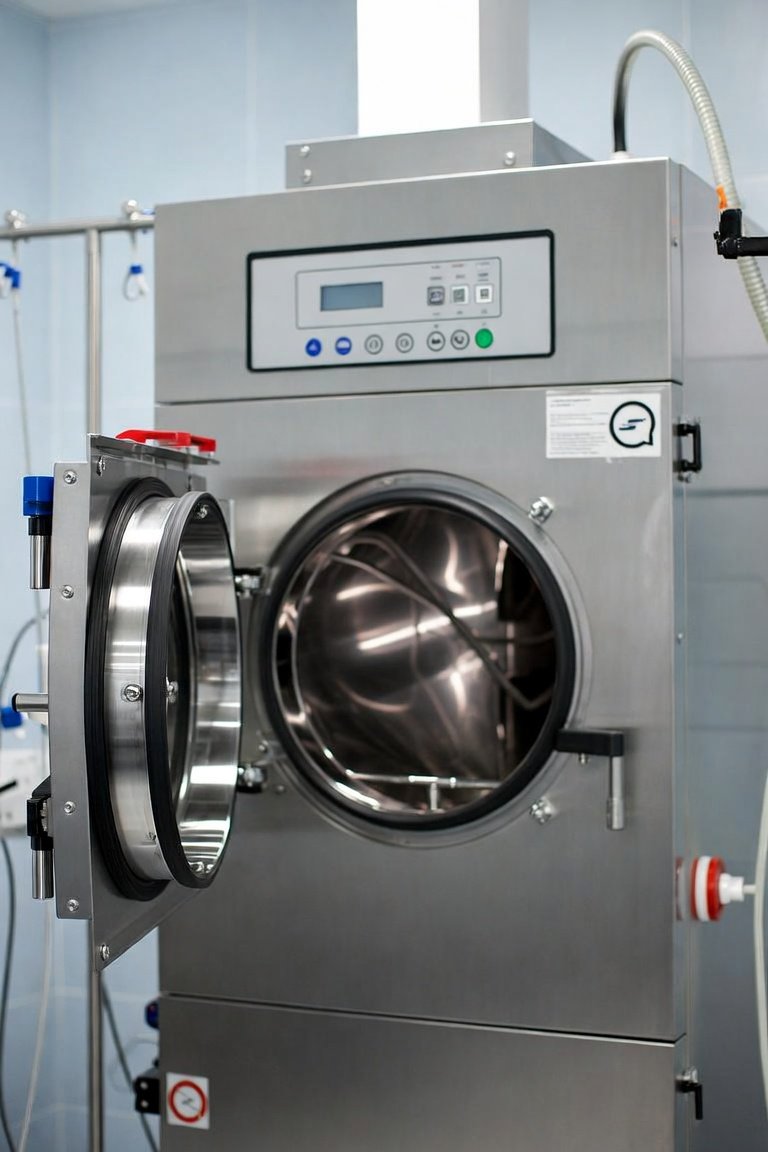
Sterilization is the backbone of infection control. You need a Class B autoclave. These units use a pre-vacuum cycle to remove air from the chamber, ensuring steam penetrates wrapped instruments. Look for a model with a cycle time under 30 minutes and a chamber capacity of at least 20 liters. A tabletop unit is fine for a single operatory, but if you have two or more chairs, invest in a floor-standing model with a larger reservoir. For instrument storage, use sealed pouches and a dedicated drying cabinet. Do not use open trays, as they are a contamination risk.
Finally, consider the patient experience. A good overhead light with adjustable color temperature (4000K to 5000K) reduces eye strain and lets you see tissue color accurately. A monitor arm for your computer screen, positioned so you can see it without turning your head, will save your neck. And a quiet compressor and vacuum system are worth the extra cost. A noisy compressor in the next room will drive you and your patients crazy.
My recommendation: start with one fully equipped operatory that includes a top-tier chair, an electric handpiece system, a digital sensor with a 60 kV X-ray head, and a Class B autoclave. Add a CBCT unit only if your practice model demands it. Buy from a reputable dealer who offers on-site service and a warranty of at least three years. Your equipment is your livelihood. Treat it as an investment, not an expense.
Equipamiento Clínico
Equipping Your First Dental Practice: The Essential Equipment Guide