I have spent two decades watching medical technology evolve, but few advances have impressed me as much as 3D printing. When I started, it was a novelty for prototyping surgical guides. Today, it is reshaping how we approach prosthetics, surgical tools, and even organ transplantation. The technology has moved from the lab bench to the operating room, and I want to share what you need to know about its practical applications.
The key features of 3D printing in medicine are its ability to create patient-specific devices with unmatched precision. For prosthetics, this means a socket that fits the residual limb perfectly, reducing pressure points and improving comfort. I have seen patients who struggled with standard prosthetics for years get a 3D-printed device and walk without pain within days. For surgical tools, 3D printing allows for custom instruments that match a patient's anatomy, such as drill guides for spinal surgery or cutting jigs for knee replacements. These tools reduce operating time and improve accuracy. For organs, the promise is even greater: 3D bioprinting uses living cells to create tissue scaffolds. While we are not yet printing fully functional hearts for transplant, we are printing skin grafts for burn victims and vascular grafts for bypass surgery. The key here is that the material must be biocompatible and sterilizable, which is why medical-grade polymers like PEEK and titanium alloys are the gold standard.
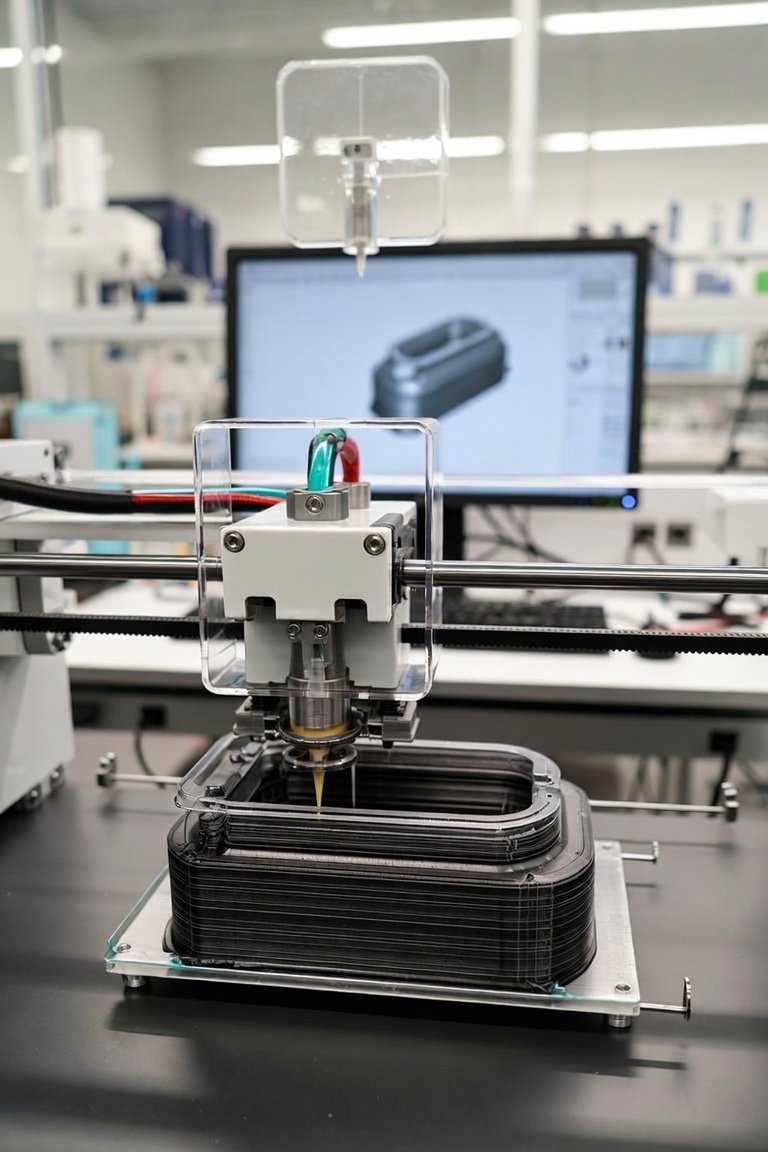
When comparing options, you need to consider the printer type and material. Fused deposition modeling (FDM) printers are common for prosthetics and tools because they are affordable and use strong thermoplastics like PLA or nylon. However, for surgical implants, you need selective laser sintering (SLS) or stereolithography (SLA) printers that can handle medical-grade resins or metals. For example, a titanium hip implant printed via electron beam melting is far stronger and more porous than a machined one, allowing bone to grow into it. For bioprinting, you need a specialized printer that can deposit living cells in a hydrogel matrix. The trade-off is cost: FDM printers start at a few thousand dollars, while bioprinters can cost over 100,000 dollars. For a hospital or clinic, I recommend starting with an FDM system for prototyping and custom tools, then scaling to SLS for implants as volume grows.
What to look for in 3D-printed medical devices is regulatory approval and material certification. In the US, the FDA requires that any 3D-printed implant or tool be cleared through the 510(k) process or de novo pathway. Always verify that the printer and material have ISO 13485 certification for medical device manufacturing. For prosthetics, look for devices that have been tested for fatigue life and impact resistance. I have seen cheap 3D-printed prosthetics fail after a few months because the material was not medical grade. For surgical tools, ensure they can be sterilized via autoclave or ethylene oxide without warping. Finally, for bioprinted tissues, ask about cell viability rates and vascularization—without a blood supply, even the best scaffold will die.
My closing recommendation is this: 3D printing is not a magic bullet, but it is a powerful tool when used correctly. Start with a clear clinical need—like a custom prosthetic socket for a child who outgrows standard sizes quickly—and work with a certified manufacturer. The technology is evolving fast, and I expect to see printed organs for transplant within a decade. For now, focus on the proven applications: custom tools and prosthetics that improve outcomes today. If you are considering adopting 3D printing, invest in training for your team and partner with a medical 3D printing service that has a track record of regulatory compliance. The future is printed, but it must be printed right.
Innovations & Tech
3D Printing in Medicine: From Custom Tools to Living Organs