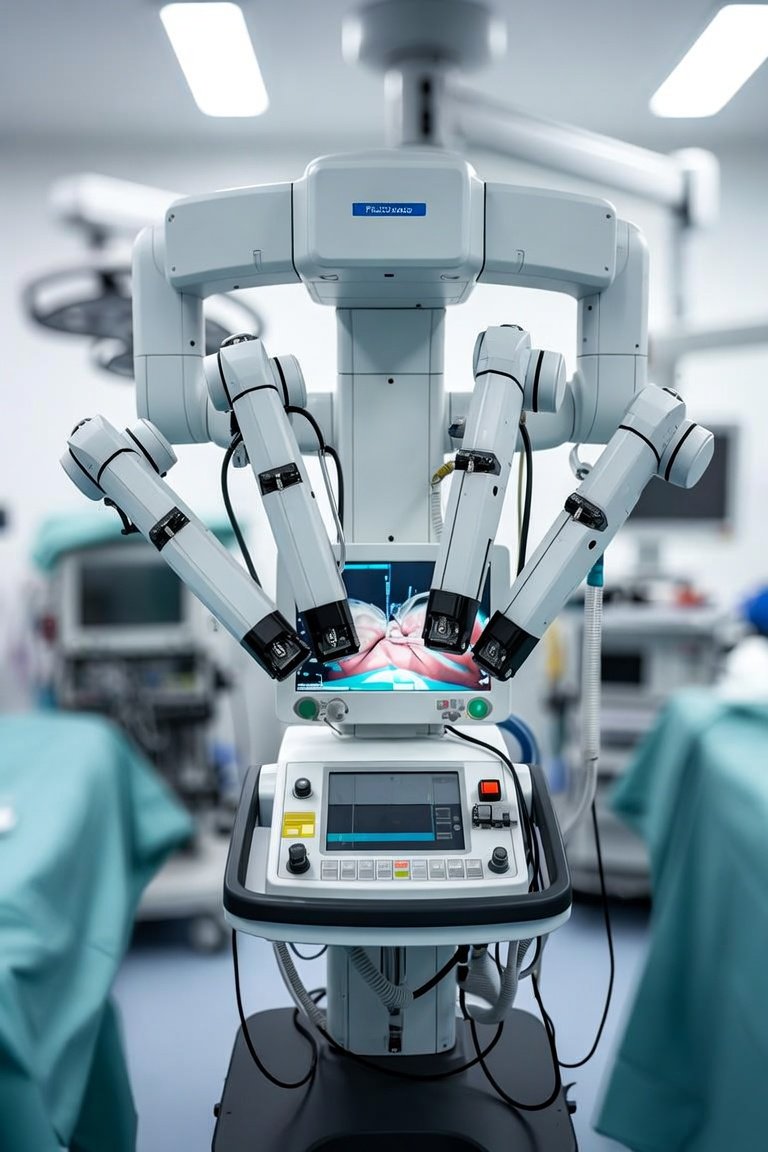
After two decades in medical technology, I have seen few advances as transformative as the rise of smart implants and connected health devices. These are not just incremental improvements; they represent a fundamental shift in how we monitor, treat, and manage patients. The core idea is simple: an implant that does more than just sit in the body. It senses, records, and communicates. When paired with a connected health platform, it turns a passive device into an active partner in care.
Let me break down the key features that make these devices so powerful. First, real-time physiologic monitoring. A smart implant can track pressure, temperature, pH, or electrical activity at the source. For example, a spinal fusion implant with a strain gauge tells us exactly how much load the hardware is bearing, alerting us to potential non-union weeks before an X-ray would. Second, adaptive therapy. A connected pacemaker can adjust pacing rates based on activity levels automatically, without a clinic visit. Third, early warning systems. An orthopedic implant with a micro-sensor can detect biofilm formation days before an infection becomes systemic. These features are not theoretical; they are in clinical use today.
When comparing options, you must consider the ecosystem. Not all smart implants are created equal. For instance, the newer generation of cardiac resynchronization devices from major manufacturers now include built-in accelerometers and impedance monitors. They communicate via Bluetooth Low Energy to a dedicated hub that forwards data to the cloud. In contrast, some orthopedic smart implants use near-field communication (NFC) that requires a reader wand to be held close to the skin. The practical difference is huge. Bluetooth-enabled devices allow continuous, passive data collection. NFC-based ones require active patient or clinician compliance. For a busy orthopaedic practice, the NFC approach adds workflow burden. For a cardiology clinic, the Bluetooth hub is set-and-forget.
What should you look for when evaluating these devices for your facility? Focus on three things. 1. Data security and interoperability. The implant must use encrypted transmissions and integrate with your existing electronic health record (EHR). If it creates a separate silo of data, it is a liability. 2. Battery life and longevity. A smart implant with a battery that lasts only two years is useless for a joint replacement expected to last twenty. Look for devices with energy harvesting or long-life batteries rated for the device's intended lifespan. 3. Clinical validation. Do not accept marketing claims. Demand peer-reviewed studies showing that the smart feature improves outcomes, not just generates data. I have seen too many devices that produce beautiful graphs but no actionable clinical benefit.
In my experience, the most successful implementations start with a clear clinical problem. Do not adopt smart implants because they are new. Use them to solve a specific pain point, like reducing readmissions for heart failure or detecting early loosening in hip replacements. Start with one device type, train your team thoroughly, and measure the impact on patient outcomes and workflow efficiency.
The future is already here. Smart implants and connected health devices are moving from novelty to necessity. The sooner you understand their practical features, the better you can serve your patients and your practice.
Innovations & Tech
Smart Implants and Connected Health: The New Standard of Care