I have spent two decades watching medical technology evolve, but few innovations have impressed me as much as 3D printing. What began as a prototyping tool for engineers is now reshaping how we approach surgery, rehabilitation, and even organ transplantation. Let me walk you through the practical realities of this technology.
The most immediate impact of 3D printing in medicine is in surgical planning and tooling. Custom anatomical models printed from a patient's CT or MRI scans allow surgeons to rehearse complex procedures before making a single incision. For example, in craniofacial reconstruction, a surgeon can print a 1:1 scale model of a patient's skull, plan the osteotomies, and even pre-bend titanium plates. This reduces operating time by 30 to 50 percent in many cases. The key features to look for in a medical-grade 3D printer for this purpose are: 1) high resolution, typically 100 microns or better, to capture fine bone detail, 2) biocompatible materials like PLA or resin that can be sterilized, and 3) software that seamlessly integrates with DICOM imaging formats. I recommend the Stratasys J750 or the Formlabs Form 3B for clinical use, as both offer reliable accuracy and material options.
When it comes to prosthetics, 3D printing has democratized access. Traditional prosthetic limbs can cost tens of thousands of dollars and require weeks of fitting. A 3D-printed prosthetic hand, using materials like nylon or TPU, can be produced in under 48 hours for a fraction of the cost. The trade-off is durability. A 3D-printed prosthetic will not withstand the same forces as a carbon-fiber device, but for pediatric patients who outgrow limbs quickly, or for basic grip functions in developing regions, it is a game changer. I have seen clinics in rural Africa use the open-source e-NABLE designs to fit children with functional hands for less than 50 dollars. Compare this to a myoelectric prosthetic that costs 20,000 dollars. The choice depends on your patient's activity level and budget. For high-impact use, stick with traditional fabrication. For temporary or low-demand use, 3D printing is ideal.
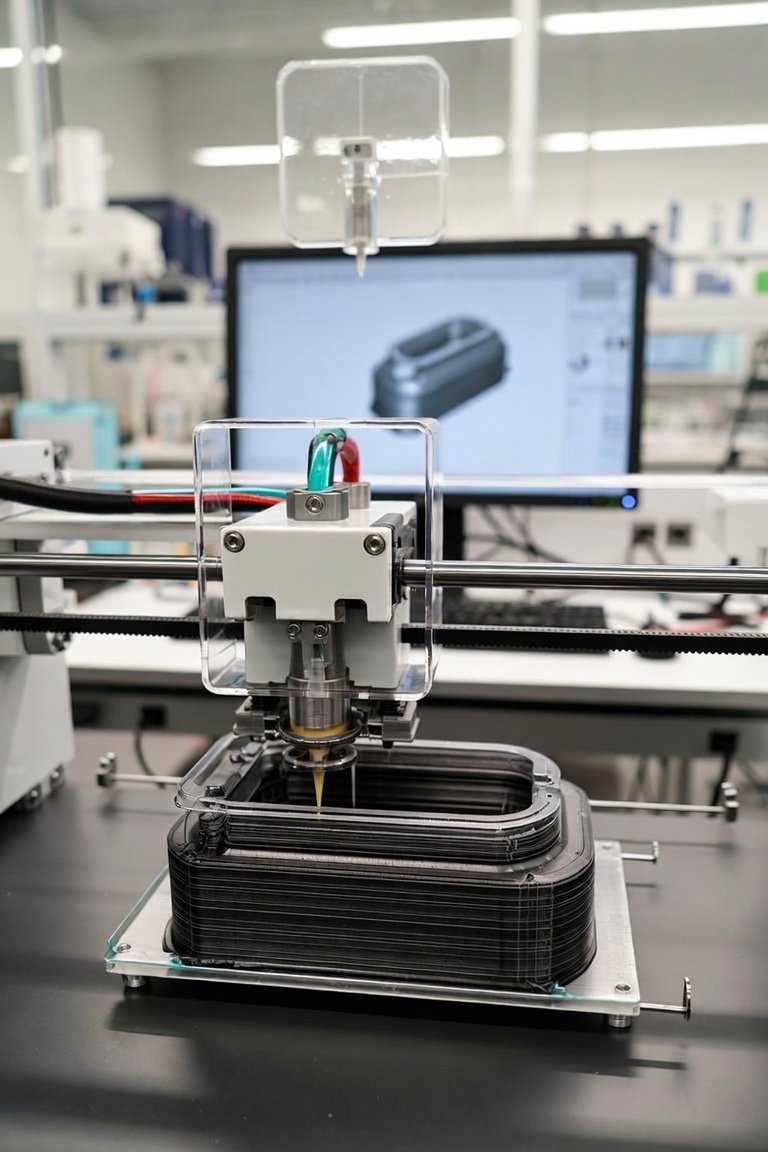
The frontier everyone talks about is bioprinting of organs. I must be honest: we are not printing a functional human heart for transplant today. What we can do is print vascularized tissue constructs, like skin grafts, bone scaffolds, and even small patches of cardiac tissue. These are used for drug testing and research. The technology relies on bioinks made from living cells, collagen, and growth factors. The key specifications to evaluate are: 1) print speed, because cells die outside a bioreactor, 2) nozzle diameter, which affects cell viability, and 3) crosslinking method, typically UV or chemical. The CELLINK BIO X and the RegenHU 3DDiscovery are two systems I have seen produce consistent results in academic labs. For clinical application, focus on scaffolds that degrade at the same rate as new tissue grows.
What should a hospital or clinic look for when adopting 3D printing? First, invest in training. The machine is only as good as the technician who operates it. Second, choose materials that are FDA-cleared or ISO 13485 certified for medical use. Third, establish a quality control protocol for every print, especially for surgical guides that contact sterile fields. I have seen infections traced back to improperly sterilized printed tools.
My closing recommendation is to start small. Do not try to print an organ tomorrow. Begin with anatomical models for pre-surgical planning. That alone will improve outcomes and reduce costs. Once your team is comfortable, expand into custom surgical guides and patient-specific implants. The technology is mature enough for clinical use, but only if you respect its limitations. In my 20 years, I have learned that the best tool is the one you know how to use properly. 3D printing is no exception.
Innovations & Tech
3D Printing in Medicine: From Surgical Tools to Living Tissues