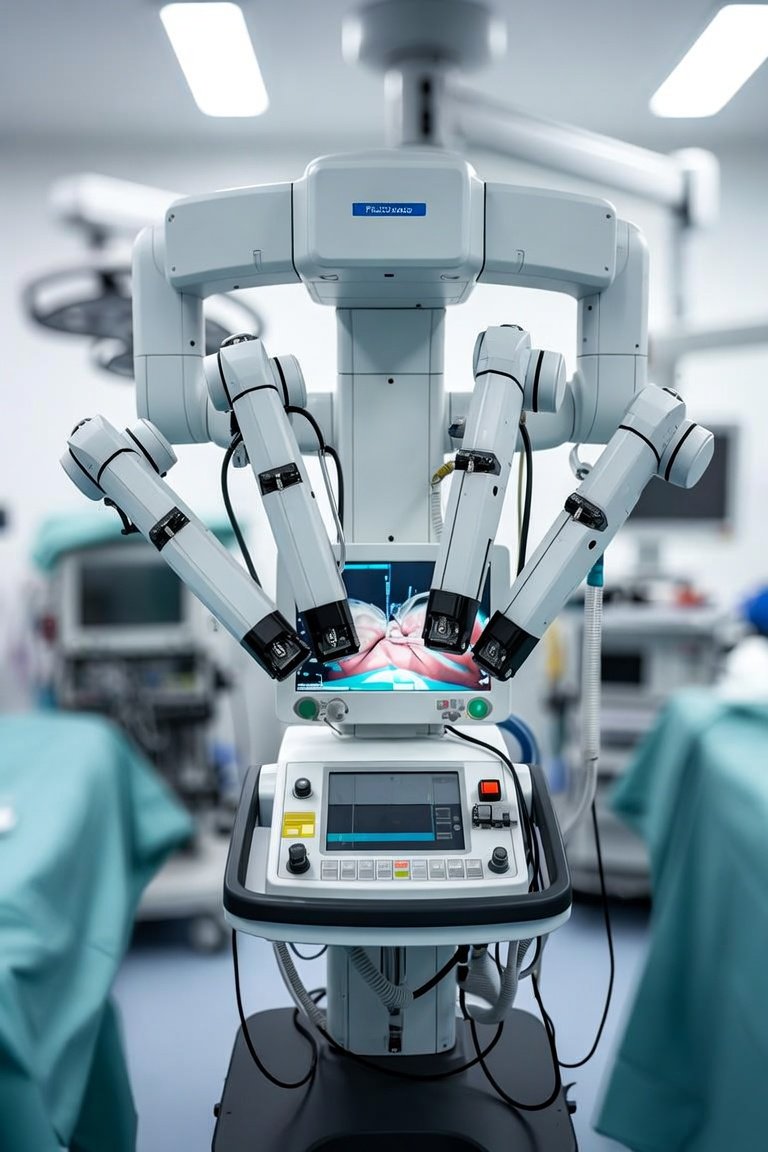
Over the past two decades, I have watched surgical technology evolve from simple laparoscopic cameras to fully integrated robotic platforms. Today, artificial intelligence is the next frontier, but it is not magic. It is a tool that augments your judgment, not replaces it. As a medical equipment specialist, I want to cut through the marketing noise and give you the practical details you need to evaluate AI-assisted systems for your operating room.
AI in surgery primarily works through three integrated features: real-time image analysis, predictive alerts, and automated instrument control. First, computer vision algorithms can now segment anatomical structures during a procedure, highlighting critical landmarks like ureters or major vessels in real time on the monitor. This reduces cognitive load and helps you avoid inadvertent injury. Second, machine learning models analyze instrument motion and tissue interaction to predict potential complications, such as bleeding or thermal spread, often before they become visible. Third, some systems offer haptic feedback or autonomous adjustment of camera angles, allowing you to focus on the dissection while the system manages the view.
When comparing platforms, you will encounter two main categories: modular AI add-ons for existing robotic systems and fully integrated AI-native surgical robots. Modular add-ons, like those from Intuitive or Medtronic, can be retrofitted to your current da Vinci or Hugo systems. They offer lower upfront cost but limited software integration. Fully integrated systems, such as the newer platforms from Johnson & Johnson or CMR Surgical, embed AI directly into the console and instruments, providing seamless data flow and advanced features like tissue characterization. The trade-off is higher capital expenditure and a steeper learning curve for your team.
What should you look for when evaluating an AI-assisted system? First, demand clinical validation, not just engineering demos. Ask for peer-reviewed studies showing reduced complication rates or shorter operative times for your specific specialty. Second, assess the AI's training data. A model trained on 500 cholecystectomies will not generalize well to complex liver resections. Third, consider data privacy and cybersecurity. These systems generate terabytes of video and sensor data, which must be stored securely and comply with HIPAA. Finally, test the user interface yourself. The best AI is invisible; it should not add extra steps or distract you from the patient.
My closing recommendation is this: start small. Implement AI-assisted surgery in one high-volume, low-complexity procedure, such as laparoscopic cholecystectomy or inguinal hernia repair. Use the system for six months, track your outcomes, and let your team become comfortable with the new workflow. Only then should you expand to more complex cases. AI is a powerful partner, but it demands disciplined adoption. Treat it like a new surgical instrument, not a miracle cure. Your patients, and your bottom line, will thank you.
Innovations & Tech
AI-Assisted Surgery: Separating Hype from Clinical Reality