For twenty years, I have watched medical technology move from the intensive care unit into the patient's pocket. We have reached a point where the data once reserved for a hospital telemetry floor is now available on a wristband. But not all wearable health tech is created equal. As a medical equipment specialist, I need you to understand what actually works for home monitoring, and what is simply a fancy step counter.
The real value in these devices lies in their ability to capture continuous, passive data streams. A single blood pressure reading taken at the doctor's office is a snapshot. A wearable that tracks your heart rate variability, oxygen saturation, and skin temperature over a full week gives you a movie. The key features that matter for genuine clinical utility are threefold.
1. Clinical-grade sensors. Look for devices that use photoplethysmography (PPG) with multiple wavelengths for accurate SpO2 and heart rate. Avoid single-LED sensors, as they are easily fooled by motion and skin tone. The best units now include electrodermal activity sensors for stress and sweat analysis.
2. FDA-cleared algorithms. This is the non-negotiable. Many consumer wearables give you a number. Medical-grade devices give you a validated number. For example, an irregular rhythm notification for atrial fibrillation requires a cleared algorithm, not just a marketing claim. Always check the manufacturer's regulatory status.
3. Interoperability. The device must be able to export data to your electronic health record or to your physician's portal. A closed ecosystem that only shows you pretty charts on your phone is a toy, not a tool. Look for HL7 FHIR compatibility or direct integration with platforms like Apple Health or Google Fit, but verified by your clinic.
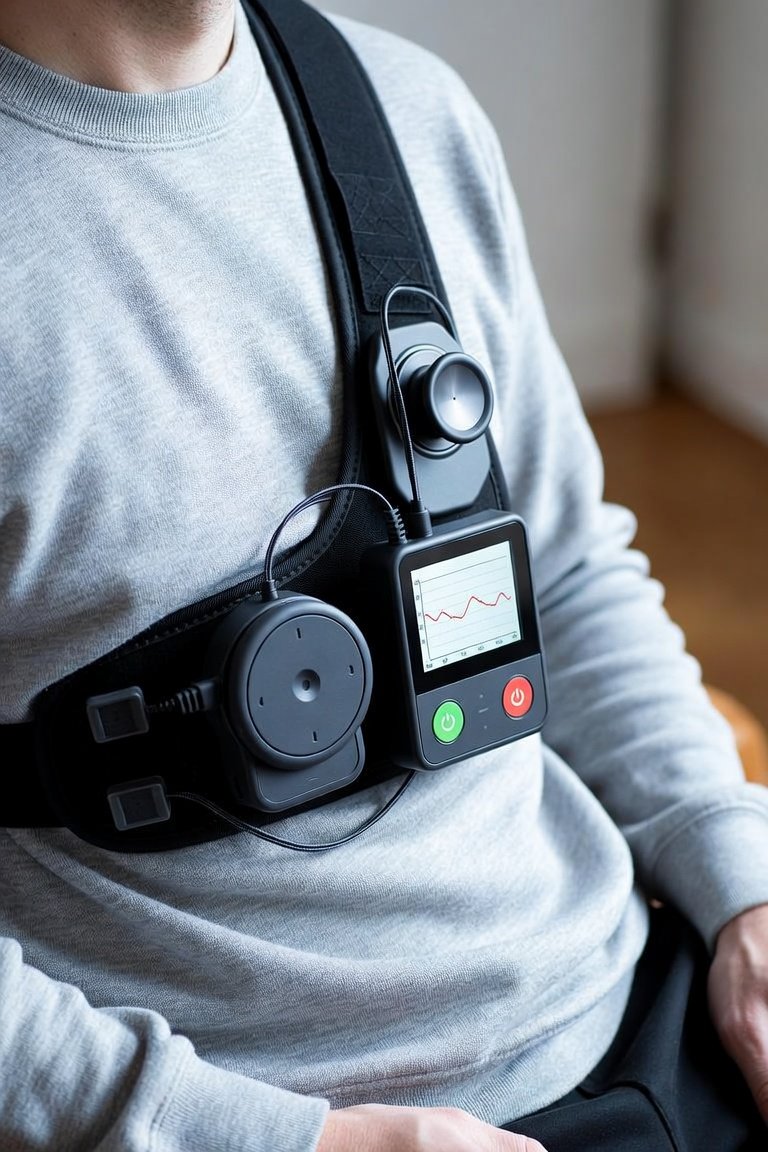
When comparing options, think about your specific monitoring need. For general wellness and early warning, a smartwatch with a medical-grade ECG function, like the ability to take a single-lead ECG on demand, is excellent for catching arrhythmias. For patients with chronic conditions like congestive heart failure, a dedicated patch or a smart ring that measures respiratory rate and fluid status trends is more appropriate. The ring form factor is often better for sleep monitoring because it is less intrusive, while a watch is better for continuous daytime activity tracking.
What you should look for in any device is battery life that exceeds 24 hours, water resistance to at least 5 ATM for showering, and a companion app that does not require a subscription to view your own data. I also strongly recommend a device with a fall detection feature that can automatically alert a caregiver. This single feature has saved more lives than any heart rate graph.
Finally, remember the human factor. The best technology is the one you will actually wear. If the device is uncomfortable, complex to charge, or requires constant recalibration, it will end up in a drawer. Start with a simple, validated device for one metric, like a continuous glucose monitor for diabetes or a blood pressure cuff that syncs to your phone. Master that data stream before adding more sensors.
My closing recommendation is this: treat your wearable as a medical instrument, not a fashion accessory. Verify its certifications, understand its limitations, and share the raw data with your provider. The future of home monitoring is not about more data, but about the right data, collected reliably, and interpreted wisely. Choose your tech accordingly.
Innovations & Tech
The New Vital Signs: Wearable Health Tech for Home Monitoring