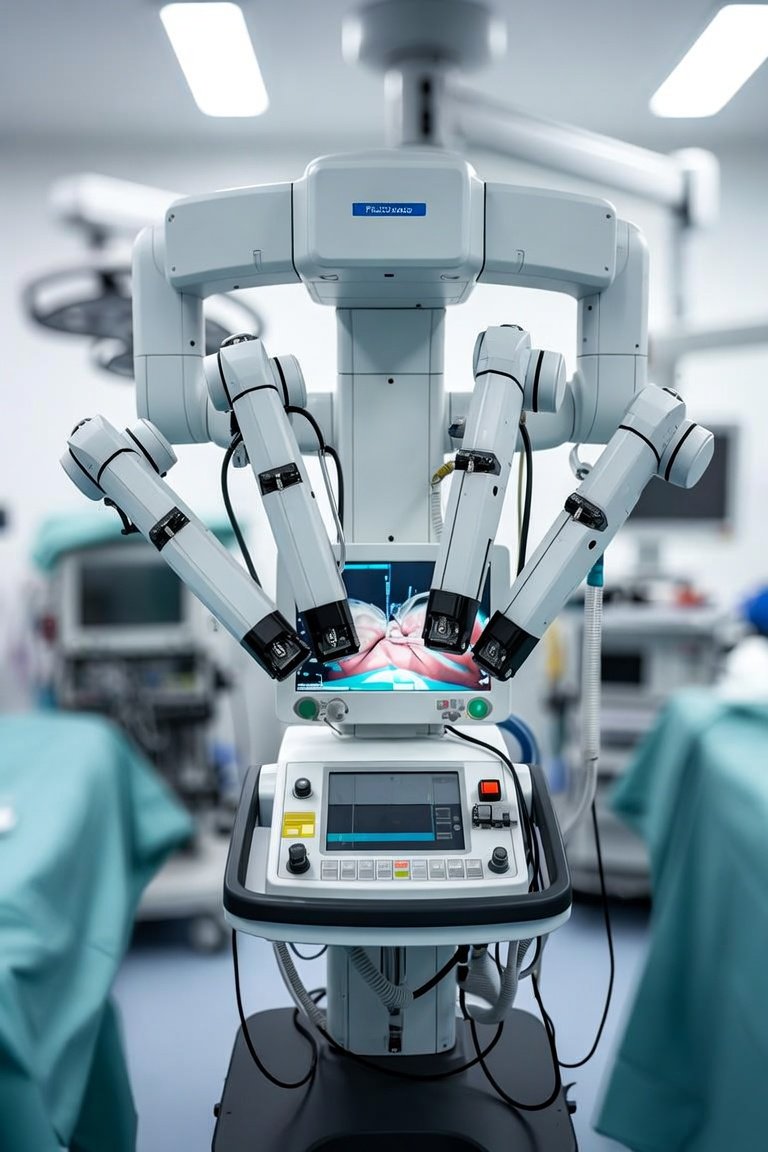
I have spent two decades evaluating surgical technology, and I can tell you that AI-assisted surgery is not science fiction. It is here, in operating rooms today, and it is changing how we approach precision, efficiency, and patient outcomes. But as a doctor, you need to understand what this technology actually does, what it does not do, and how to choose the right system for your practice.
The core value of AI in surgery lies in three practical areas. First, real-time decision support. Modern AI systems analyze intraoperative video and sensor data to highlight critical structures like blood vessels or nerves, reducing the risk of inadvertent injury. Second, predictive analytics. By comparing your patient's anatomy and pathology against thousands of prior cases, AI can forecast potential complications, such as excessive bleeding or difficult dissection planes, before you make the first incision. Third, workflow automation. AI handles repetitive tasks like instrument tracking, documentation, and even suturing in certain robotic platforms, freeing your hands and mind for higher-level decisions.
When comparing AI-assisted platforms, you will encounter two main categories: robotic systems with integrated AI and standalone AI software that works with conventional laparoscopic or open tools. Robotic systems like the da Vinci Xi with its Firefly fluorescence imaging and TilePro multi-input display now incorporate machine learning algorithms that learn from each surgeon's movements. They offer haptic feedback and tremor reduction, but the AI component is still largely focused on image guidance and instrument control. Standalone AI tools, such as the Cydar EVAR system for vascular surgery or the Proximie platform for telementoring, use computer vision to overlay critical anatomy onto live video feeds. These are less expensive and can be added to existing equipment.
What should you look for when evaluating an AI-assisted system? Start with validation data. Ask for peer-reviewed studies showing improved outcomes, not just marketing claims. Look for systems that integrate seamlessly with your existing OR workflow and electronic health records. Consider the learning curve: some AI tools require minimal training, while others demand several weeks of simulation and proctoring. Also, examine the data privacy and security protocols. AI systems generate vast amounts of patient-specific data, and you must ensure compliance with HIPAA and local regulations.
Finally, understand the limits. AI is a tool, not a replacement for surgical judgment. It cannot adapt to unexpected anatomy or patient physiology the way you can. It will occasionally misidentify structures, especially in patients with prior surgeries or unusual anatomy. Always verify AI suggestions with your own knowledge and intraoperative findings.
My recommendation: start small. Choose one AI-assisted feature that addresses a specific challenge in your practice, such as tumor margin identification in oncology or vessel detection in laparoscopic cholecystectomy. Pilot it for three months, track your outcomes, and then expand. The technology is advancing rapidly, but your patients deserve a measured, evidence-based adoption. Embrace the innovation, but keep your hands on the controls.
Innovations & Tech
AI-Assisted Surgery: Separating Hype from Clinical Reality