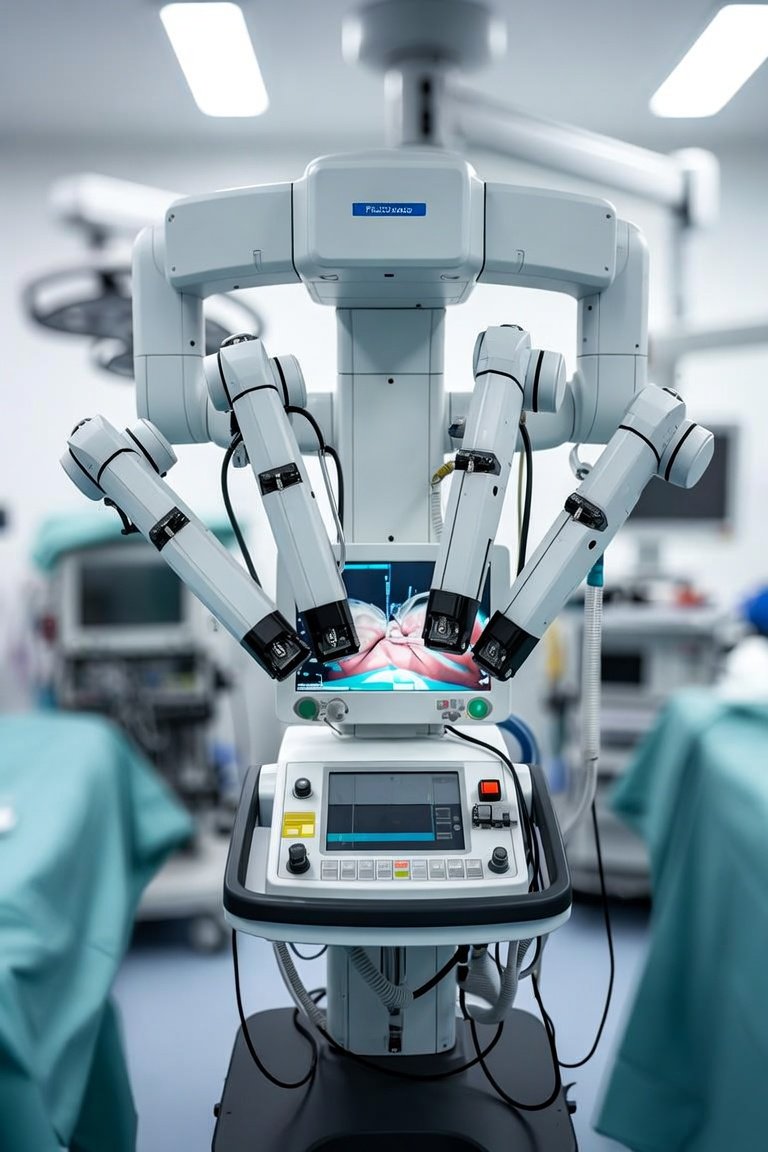
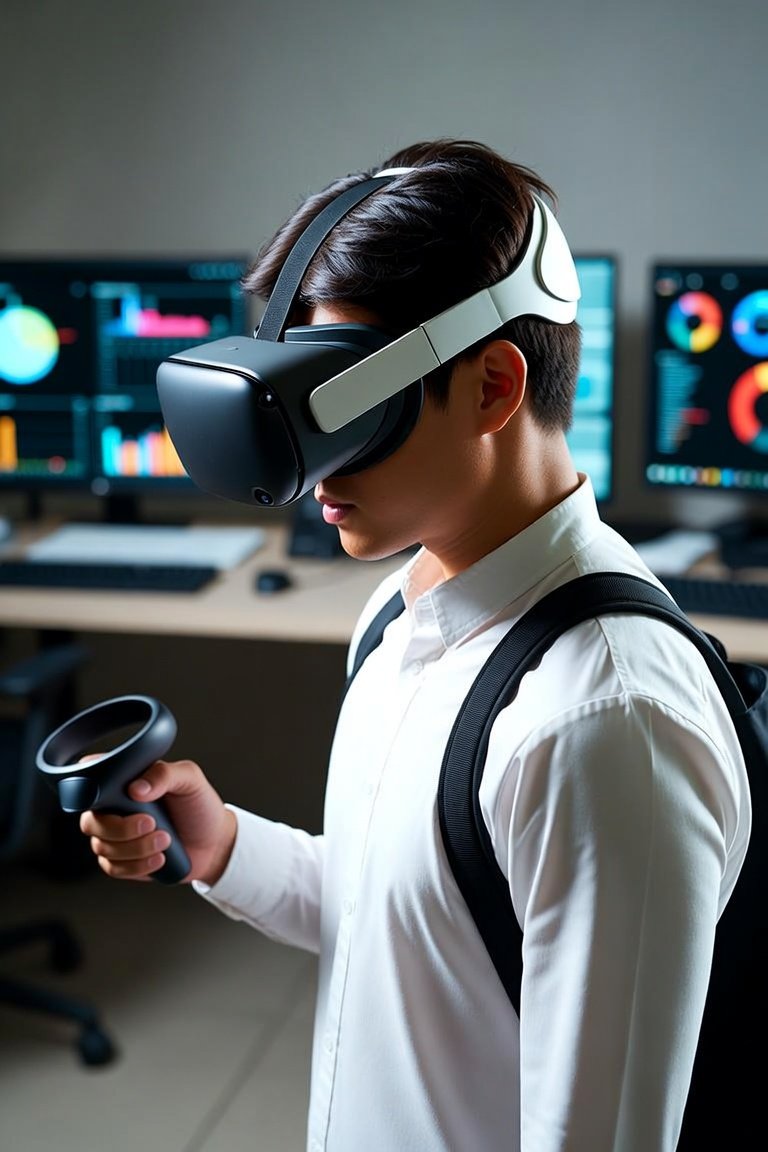
In my two decades servicing medical equipment, I have watched telemedicine evolve from a grainy, futuristic novelty into a cornerstone of modern healthcare delivery. The pandemic accelerated a decade of adoption in mere months, but the real innovation is happening now. We are moving beyond simple video calls into a sophisticated ecosystem of peripheral diagnostic devices, AI-assisted platforms, and hybrid care models. For clinicians and administrators, understanding this equipment landscape is no longer optional; it is essential for delivering high-quality, equitable care.
The most significant shift is the transition from the "solo laptop" setup to the integrated telehealth cart. The core of any system remains the codec and camera, but the differentiators now are the peripheral devices. We are seeing a surge in high-fidelity digital stethoscopes, like the Eko and Thinklabs models, which allow for real-time audio streaming with ambient noise cancellation. These are not toys; they capture low-frequency heart murmurs and lung sounds with clarity comparable to in-person exams. Similarly, digital otoscopes and ophthalmoscopes, such as the Cupris and Volk iNview, attach directly to a smartphone or cart monitor, providing high-resolution images that can be shared instantly with specialists. The key feature to look for here is image stabilization and LED illumination, as poor lighting is the primary cause of diagnostic failure in remote exams.
When comparing systems, you are essentially choosing between integrated turnkey solutions and modular components. Turnkey carts, like those from GlobalMed or InTouch Health, offer a seamless, FDA-cleared experience but come with a premium price tag, often exceeding $30,000. Modular setups, using a high-quality 4K monitor, a pan-tilt-zoom camera, and separate peripherals, can be assembled for under $10,000. My practical advice is to assess your workflow volume. If you are doing high-acuity consults in a busy hospital, the integrated system’s technical support and single-vendor accountability are worth the cost. For a rural clinic or a home-health program, a modular approach offers flexibility and easier upgrades as technology evolves.
What should you look for when upgrading? First, prioritize interoperability. Your telemedicine platform must integrate with your existing Electronic Health Record (EHR). A system that requires manual data entry creates a documentation burden that will doom your program. Second, consider bandwidth management. Look for equipment with adaptive bitrate streaming, which automatically adjusts video quality to prevent freezing on slow connections. Third, pay attention to the audio. Echo cancellation and full-duplex audio are non-negotiable; poor sound will undermine the most expensive camera you can buy.
The future is in remote patient monitoring (RPM) integration. The most forward-thinking systems now pair the video visit with Bluetooth-enabled blood pressure cuffs, pulse oximeters, and glucometers. This data flows into the clinical dashboard before the physician even says hello, providing a rich baseline that transforms the encounter from a conversation into a data-driven assessment. This is the true power of telemedicine technology.
My closing recommendation is this: do not chase the flashiest camera. Invest in the clearest audio, the most reliable connection, and the most intuitive peripheral devices. Start with a pilot program using a modular cart, gather feedback from your clinicians, and then scale. The equipment is simply the conduit; the real technology is the trust you build with the patient on the other side of the screen. That trust is built on clarity, reliability, and the seamless integration of data. Choose your tools with that goal in mind, and you will not go wrong.
Innovations & Tech
The New Exam Room: How Telemedicine Technology Is Reshaping Clinical Practice