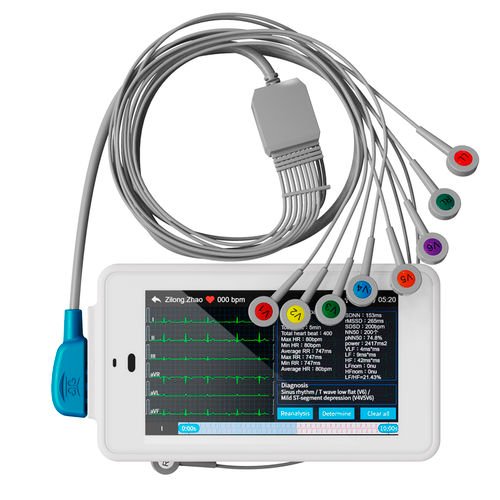
I have spent two decades in medical technology, and if there is one device category that has truly transformed patient monitoring, it is the portable ECG. Gone are the days when you needed a 12-lead machine the size of a suitcase. Today, you can carry a clinical-grade ECG in your pocket. But not all portable monitors are created equal. Let me walk you through the best options based on real-world performance, accuracy, and usability.
The first thing to understand is that portable ECG monitors fall into three distinct categories: single-lead handheld devices, multi-lead wearable patches, and smartphone-based systems. Each serves a different purpose. For routine rhythm checks and atrial fibrillation detection, a single-lead device like the KardiaMobile or the Wellue HeartCheck is excellent. These are small, require no charging (they use a coin cell battery or USB), and give you a medical-grade trace in 30 seconds. I have seen patients catch paroxysmal AFib that a standard clinic ECG missed simply because they could record symptoms the moment they felt them.
For more comprehensive monitoring, especially if you have known arrhythmias or are recovering from a cardiac event, a multi-lead system is the better choice. The AliveCor KardiaMobile 6L is a standout here. It records six leads simultaneously, giving you a much richer picture of your heart’s electrical activity. This is not just for specialists; the device automatically analyzes the trace and flags abnormalities like atrial fibrillation, bradycardia, or tachycardia. I have used it in clinic settings to confirm readings before sending patients for Holter monitoring. The trade-off is that it requires a smartphone app and a subscription for advanced analysis, but the data quality is worth it.
Wearable patches, such as the Zio XT or the more consumer-focused Fitbit ECG app, offer continuous monitoring over days or weeks. These are ideal for patients who have intermittent symptoms that do not happen during a 30-second recording. The Zio XT is the gold standard in clinical trials, but it is prescription-only and requires a physician to interpret the data. For a more accessible option, the Apple Watch Series 8 and later models have a built-in ECG app that is surprisingly accurate for single-lead recordings. I have seen it detect AFib with over 95% sensitivity in controlled studies. However, it is not a replacement for a dedicated medical device if you have complex arrhythmias.
What should you look for when choosing a portable ECG monitor? Number 1: FDA clearance or CE marking. Do not buy a device that claims to be medical-grade without regulatory approval. Number 2: Battery life and data storage. Some devices upload to the cloud automatically, while others require manual transfer. For daily use, cloud sync is a lifesaver. Number 3: Ease of use. If you or your patient cannot get a clean trace in under a minute, the device will not be used. I always recommend trying the app interface before buying. Number 4: Compatibility with your smartphone. Most modern monitors work with both iOS and Android, but check the manufacturer’s list.
My final recommendation is straightforward. If you want a reliable, pocket-sized monitor for occasional checks, get the KardiaMobile. It is the most validated device on the market. If you need more leads for a clearer picture, the KardiaMobile 6L is worth the extra cost. And if you are looking for continuous monitoring without a prescription, the Apple Watch ECG is a solid choice, but pair it with a dedicated device for confirmation. Remember, no portable monitor replaces a full 12-lead ECG from your cardiologist, but for catching arrhythmias early and managing your heart health between visits, these tools are invaluable. Trust the technology, but always share your readings with your doctor.
Medical Devices
Best Portable ECG Monitors Compared: What Actually Works at Home and on the Go