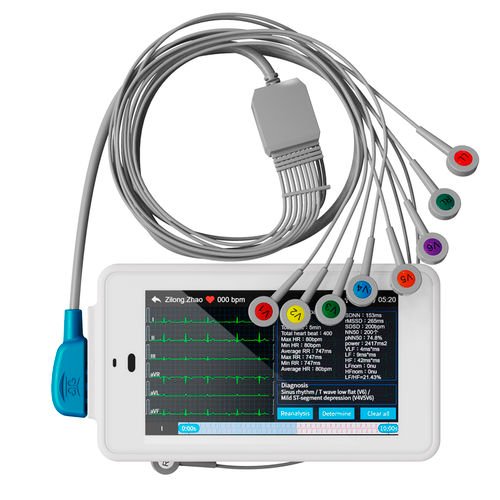
After two decades in medical technology, I have seen portable ECG monitors evolve from clunky, single-lead gadgets into sophisticated tools that rival clinical-grade devices. Whether you are a cardiologist, a nurse managing remote patients, or someone with a personal heart condition, choosing the right monitor is critical. Today, I will break down the top options based on real-world performance, not just specs.
The first thing to understand is that not all portable ECGs are created equal. The key features to prioritize are lead count, data accuracy, and connectivity. Single-lead devices like the KardiaMobile are excellent for basic rhythm checks and detecting atrial fibrillation. They are compact and easy to use, but they miss subtle ischemic changes or multi-lead arrhythmias. For deeper analysis, you want a 6-lead or 12-lead device. The KardiaMobile 6L, for example, provides a wider view of the heart’s electrical activity, making it suitable for detecting ST-segment changes. Meanwhile, the AliveCor KardiaMobile 12L is a game-changer for clinical use, offering a medical-grade 12-lead trace that can be shared directly with a physician. I have seen these devices catch issues that single-lead units simply cannot.
When comparing specific models, focus on how they fit into your workflow. The KardiaMobile line is the gold standard for consumer and remote monitoring. It works with a smartphone app, stores unlimited readings, and offers FDA-cleared AI analysis for AFib, bradycardia, and tachycardia. The downside is that it requires a phone nearby, and some patients find the finger placement tricky. For a more standalone option, the QardioCore is a wearable chest strap that records continuous ECG for up to 7 days. This is ideal for capturing intermittent symptoms like palpitations or syncope. It is water-resistant and comfortable, but the battery life is shorter than advertised. For hospital-to-home transitions, the Biobeat Patch is a single-use, adhesive monitor that streams real-time ECG, heart rate, and blood pressure. It is lightweight and provides continuous data, but it is more expensive per use.
What you should look for in a portable ECG monitor depends on your clinical goal. For routine screening, a single-lead device is sufficient. For monitoring known coronary artery disease or post-procedure recovery, a 6-lead or 12-lead is non-negotiable. Always check for FDA clearance or CE marking. Avoid devices that only provide raw data without interpretation; the best monitors combine accurate hardware with smart software that flags abnormal rhythms. Also, consider the patient population. Elderly patients often prefer simple, large-button devices like the KardiaMobile, while tech-savvy users may prefer a patch like the Biobeat.
My closing recommendation is this: if you can only buy one device, choose the AliveCor KardiaMobile 12L. It strikes the best balance between portability, clinical accuracy, and ease of use. For continuous monitoring, the QardioCore is a strong second. Remember, the best monitor is the one that your patient will actually use consistently. Test a few options, train your staff, and always verify the data against a standard 12-lead ECG when possible. In my practice, these tools have caught countless arrhythmias that would have been missed in a standard office visit. Invest wisely, and they will serve you well.
Medical Devices
Best Portable ECG Monitors Compared: What You Need to Know