Starting a dental practice is an exciting venture, but the sheer volume of equipment options can be overwhelming. After two decades of helping clinicians outfit their offices, I can tell you that the key is not buying the most expensive items, but investing in the right tools that balance reliability, workflow efficiency, and patient comfort. Let’s break down the non-negotiables you need to open your doors with confidence.
The clinical core of your practice revolves around three primary workhorses: the delivery system, the imaging suite, and the sterilization center. For the delivery system, you have two main choices: a traditional chair-mounted unit or a portable cart system. The chair-mounted units offer superior ergonomics and integrated suction, but they cost significantly more. A modern, mid-range delivery unit should feature a LED operatory light with adjustable color temperature, a foot-controlled programmable chair, and at least a three-way syringe (air, water, and spray). Do not skimp on the dental chair itself; look for a model with a dual-articulating headrest and a weight capacity of at least 400 pounds. The patient’s comfort during a 45-minute procedure is directly tied to how well this chair performs.
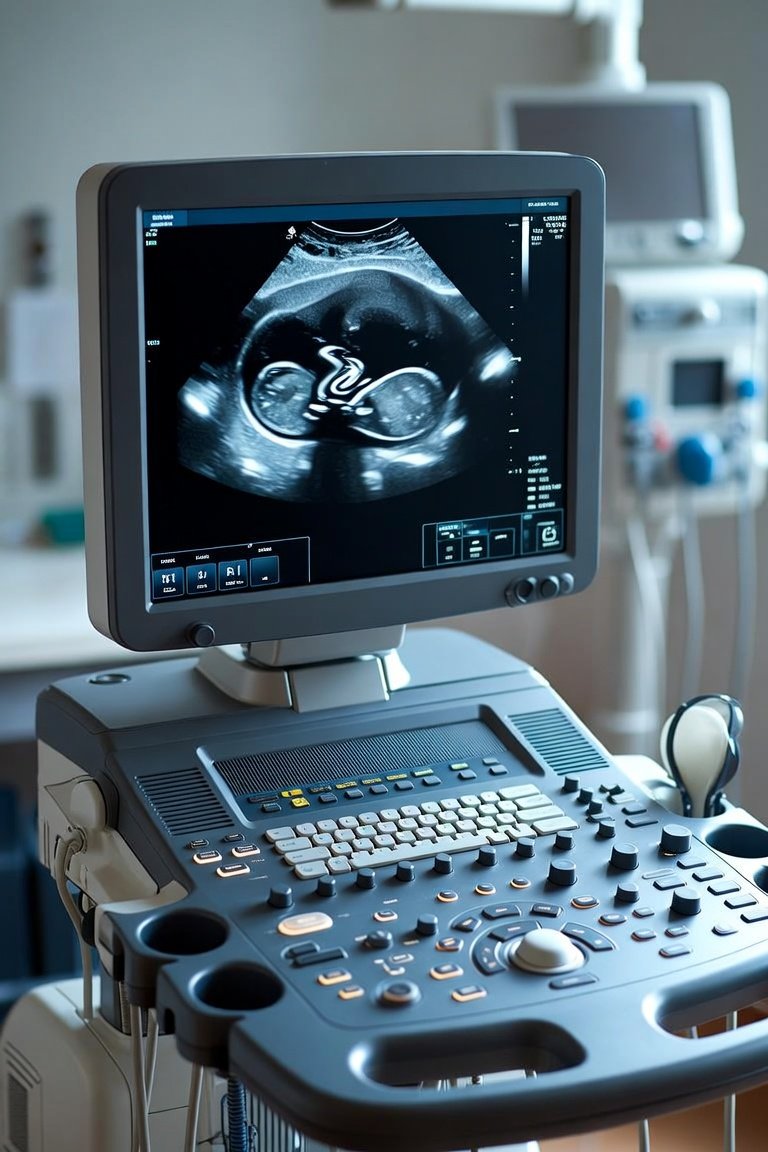
For imaging, you absolutely need a digital intraoral sensor system rather than traditional film. The initial investment is higher, but you will recoup the cost within two years on X-ray film and chemistry supplies alone. A size 2 sensor with a resolution of at least 20 line pairs per millimeter is the industry standard. I strongly recommend purchasing a sensor that uses a USB-C connection for future-proofing, and always buy a backup sensor. The cost of a single sensor is around 8,000 dollars, but the downtime from a broken sensor without a backup will cost you far more in lost production. If you plan to place implants or perform endodontics, add a cone-beam CT unit later, but start with a high-quality panoramic machine that also offers cephalometric capabilities for orthodontic work.
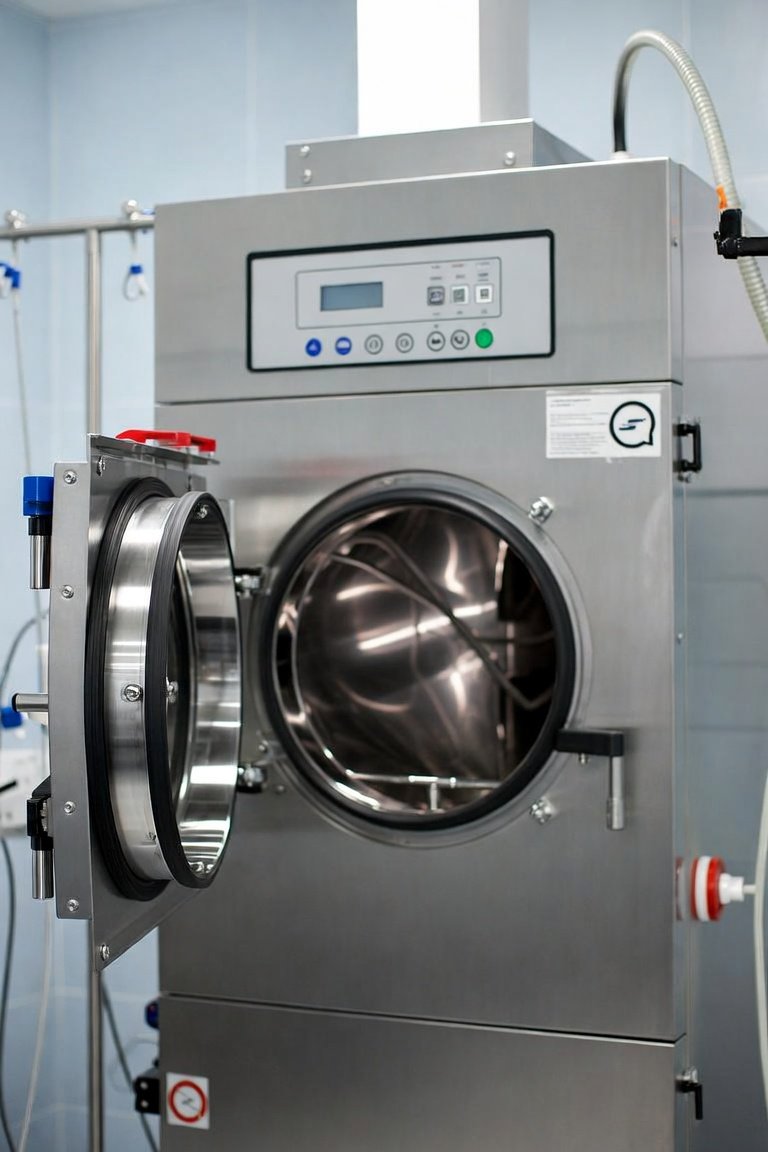
The sterilization area is where many new practices make critical errors. You need a Class B autoclave, not a simple N-class steam sterilizer. The Class B cycle uses a vacuum pulse to remove air from pouches, ensuring steam penetrates wrapped instruments completely. This is essential for handpieces and hollow instruments. Your setup must also include an ultrasonic cleaner for pre-cleaning, a heat sealer for pouches, and a biological indicator incubator for weekly spore testing. Never place the sterilizer in the same room as your clean supply storage; maintain a one-way workflow from dirty to clean to sterile.
Beyond the clinical essentials, you will need a few practical items that often get overlooked. A high-volume evacuator with a saliva ejector is mandatory, but consider purchasing a separate surgical suction unit for oral surgery procedures. For patient comfort, invest in a quality nitrous oxide delivery system with a scavenging mask, as this can be a significant revenue generator for anxious patients. Also, do not forget the basics: a curing light with a high-intensity LED (at least 1,200 mW/cm²), a scaler for prophylaxis, and a curing light radiometer to verify output.
When comparing brands, I advise looking at service availability over brand prestige. A mid-tier chair from a company with a local technician is worth more than a top-tier unit with a four-week wait for parts. Ask for the mean time between failures for each major component. For handpieces, you do not need to buy the most expensive turbine; a good quality standard-speed handpiece with a push-button chuck will serve you well. Keep two of each type in rotation to prevent overheating during sterilization cycles.
Finally, plan your budget with a 15 percent contingency for unexpected accessories like tubing, connectors, and mounting brackets. These small items can add up to 5,000 dollars quickly. Always request a full installation and training session from the vendor, not just a drop-off. A proper setup and calibration of your chair and delivery system will prevent costly repairs in the first year. With this core equipment in place, you can focus on what matters most: delivering excellent care to your patients.
Clinic Equipment
Building a Dental Practice: The Essential Equipment Checklist